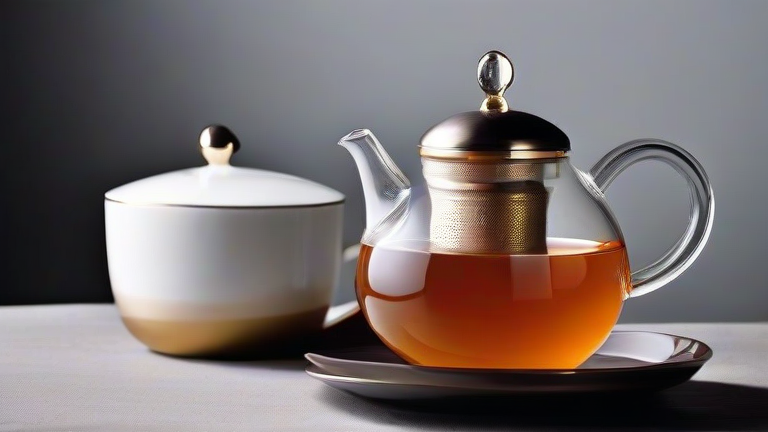
Luxury Porcelain Teapots & Tea Sets: The Ultimate Business Guide
TL;DR: The luxury porcelain tea market is driven by a global shift toward mindful consumption and high-end home entertaining. Success requires a strategic blend of artisanal craftsmanship storytelling and premium digital branding to justify high price points.
Market Analysis: The Rise of Connoisseurism
The global market for premium tableware is experiencing a robust resurgence, fueled by the “quiet luxury” trend. Consumers are no longer satisfied with mass-produced ceramics; they seek items that offer tactile satisfaction and aesthetic elegance. Porcelain, specifically high-fired bone china and kaolin-based white porcelain, remains the gold standard due to its translucency, strength, and ability to hold heat. The demographic for luxury teapots has expanded beyond traditional tea drinkers to include coffee enthusiasts, gift buyers, and interior design aficionados who view tea sets as decorative centerpieces. In North America and Europe, the market is maturing, while Asia-Pacific regions, particularly China and Japan, continue to drive innovation in glazing techniques and ergonomic design. The average customer acquisition cost for luxury goods is high, but the lifetime value of a client who purchases a high-end porcelain set is significantly greater than that of a fast-fashion consumer. This creates a sustainable business model focused on retention and brand loyalty rather than volume alone.
If you want to dig deeper, check out our guide on Healthy Porcelain Teapots: Benefits & Safe Tea Sets.
Strategy Insights: Positioning and Pricing
To succeed in this niche, businesses must move beyond selling a container and instead sell an experience. The primary strategy involves “provenance marketing.” Customers need to know the story behind the clay, the firing process, and the artisans involved. Transparency in manufacturing, such as highlighting small-batch production or traditional hand-painting methods, justifies premium pricing. A tiered product strategy is essential. Entry-level luxury items, such as single-serving cups or simple two-piece sets, serve as foot-in-the-door products. Mid-tier collections offer complete sets with coordinating saucers and serving spoons, while the flagship line should feature limited-edition collaborations or intricate gold-rimmed designs. Digital presence is critical. High-resolution video content demonstrating the pour, the sound of the lid closing, and the clarity of the porcelain under natural light is more effective than static images. Additionally, packaging must be impeccable. Unboxing experiences with eco-friendly, rigid boxes and personalized notes enhance perceived value and encourage social media sharing, which serves as free marketing.
Case Studies: Lessons from Leaders
Consider the case of a boutique brand that partnered with local ceramicists to create a “Heritage Series.” By emphasizing the local origin of the materials and the hours of labor involved, they achieved a 40% increase in average order value. Another example is a global luxury retailer that introduced a “tea and travel” bundle, pairing a portable porcelain teapot with a premium tea sampler. This cross-category approach attracted new customers who were interested in travel gear rather than just home decor. Both cases illustrate that context is key. By embedding the product into a specific lifestyle scenario, businesses can reduce price sensitivity and increase emotional connection. Furthermore, successful brands often offer lifetime warranties on their porcelain, signaling confidence in the durability of their craft and reducing buyer hesitation regarding the high cost.
FAQ
Q: What is the primary material differentiator in luxury porcelain?
A: The key differentiator is the use of high-quality kaolin or bone china, which offers superior whiteness, translucency, and thermal shock resistance compared to standard stoneware or earthenware.
Q: How can small brands compete with established luxury names?
A: Small brands should focus on niche storytelling, limited-edition drops, and direct-to-consumer relationships that emphasize artisanal authenticity and personalized customer service.
Q: Is the market for luxury tea sets seasonal?
A: While Q4 sees a spike in gifting purchases, the market remains relatively stable year-round due to the integration of tea culture into daily wellness and home entertainment routines.
Leave a Reply