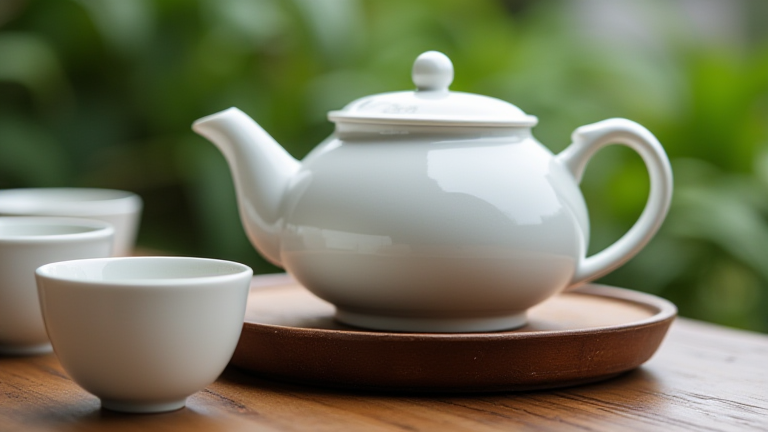
Porcelain Teapots & Health: Benefits, Safety, and Best Tea Sets
TL;DR: Porcelain teapots are chemically inert and non-porous, ensuring that tea flavors remain pure without absorbing odors or releasing harmful substances during brewing. Choosing high-quality, lead-free porcelain sets provides a safe, hygienic vessel that supports the maximum retention of tea’s beneficial antioxidants.
When evaluating household items for health and wellness, the material of your kitchenware matters significantly. Porcelain has long been the gold standard for tea service, not merely for its aesthetic elegance, but for its superior safety profile and functional benefits. Unlike clay or ceramic alternatives, porcelain is fired at extremely high temperatures, creating a dense, non-porous surface. This structural integrity is crucial for health-conscious consumers because it prevents the absorption of moisture, tea oils, and odors. Consequently, porcelain teapots do not retain previous flavors, ensuring that every cup of tea tastes exactly as intended, without cross-contamination between different blends.
If you want to dig deeper, check out our guide on Elevate Your Tea Ritual: Timeless Porcelain Teapots & Sets.
Chemical Safety and Purity
One of the primary concerns with traditional teaware is the potential leaching of heavy metals or unstable glazes. High-quality porcelain teapots are manufactured to be chemically inert. This means they do not react with the acidic or alkaline properties of various teas, whether you are brewing delicate green teas or robust black teas. Reputable manufacturers adhere to strict safety standards, ensuring that their products are free from lead and cadmium. For families with young children or those preparing tea for sensitive individuals, this chemical stability is a vital health consideration. It guarantees that the only components in your beverage are water, tea leaves, and their natural compounds, free from unwanted additives or leached materials.
Hygiene and Maintenance
From a hygiene perspective, the smooth, glazed surface of porcelain is easy to clean and sanitize. Because the material is non-porous, bacteria and mold cannot penetrate the surface, reducing the risk of contamination if the teapot is not washed immediately after use. This ease of maintenance supports better overall kitchen hygiene. Furthermore, porcelain retains heat effectively, keeping your tea at an optimal temperature for longer periods. This thermal stability allows for a more consistent brewing experience, which is essential for extracting the maximum amount of catechins and other antioxidants from tea leaves. Properly brewed tea offers numerous health benefits, including improved cardiovascular health and reduced inflammation, and a porcelain teapot helps you harness these benefits consistently.
Selecting the Right Set
When shopping for a porcelain tea set, look for brands that explicitly state their products are food-grade and lead-free. Thick-walled porcelain is generally preferred as it provides better heat retention and durability. A well-designed set typically includes a matching teacup, saucer, and sometimes a sugar bowl, creating a cohesive ritual that encourages mindfulness and relaxation. Investing in a durable porcelain set is an investment in your daily wellness routine, providing a safe, beautiful, and functional tool for enjoying one of the world’s most healthy beverages.
FAQ
Q: Is porcelain safer than stoneware for daily tea consumption?
A: Porcelain is generally considered safer for flavor purity because it is non-porous, preventing absorption of oils and odors, whereas stoneware may absorb these elements over time if not glazed perfectly.
Q: Can lead leach from porcelain teapots?
A: High-quality, modern porcelain teapots from reputable manufacturers are lead-free and have stable glazes that do not leach harmful metals into tea, even when boiling water is used.
Q: Does the color of the porcelain affect the taste of tea?
A: No, the color is determined by safe, food-grade pigments that do not interact with the tea; however, dark-colored porcelain may make it harder to monitor the steeping process visually.
Leave a Reply