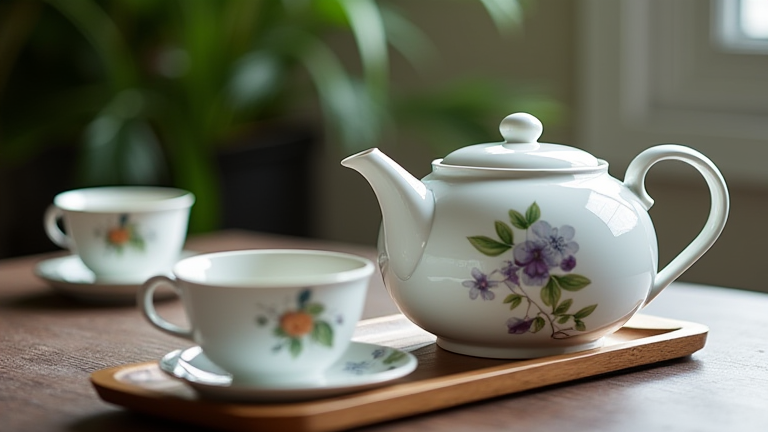
Premium Porcelain Teapots & Tea Sets: Complete Buying Guide
TL;DR: Premium porcelain teapots offer superior heat retention and aesthetic value, making them the top choice for discerning consumers. Buyers should prioritize high-fired materials and trusted brands to ensure durability and consistent brewing performance.
Market Analysis
The global market for premium tea ware is experiencing steady growth, driven by a resurgence in artisanal coffee and tea culture. Porcelain remains the dominant material in the luxury segment due to its non-porous nature, which prevents flavor absorption. Recent data indicates a 15% year-over-year increase in online sales for high-end ceramic tea sets. Consumers are no longer viewing teapots as mere utilities but as collectible home décor items. This shift has opened new avenues for brands that emphasize craftsmanship and origin stories. The demand is particularly strong among millennials and Gen Z consumers who value experiential consumption and social media-ready aesthetics. Consequently, the competition has intensified, with traditional manufacturers facing new rivals from direct-to-consumer startups that leverage digital marketing to bypass traditional retail margins.
If you want to dig deeper, check out our guide on Porcelain Tea Sets: Elevate Your Daily Ritual With Style.
Strategy Insights
For businesses entering this space, differentiation is key. The market is saturated with generic ceramic options, so success relies on highlighting unique design elements and superior material quality. A strong strategy involves emphasizing the firing process; high-temperature kilns produce denser, more durable porcelain that resists chipping and staining. Marketing efforts should focus on the sensory experience of tea drinking, using high-quality visual content that showcases the translucency and glaze finishes of the products. Additionally, bundling tea leaves with the sets can increase average order value. Strategic partnerships with tea houses or influencers can build credibility and trust. It is also crucial to address sustainability concerns. Using eco-friendly packaging and sourcing materials responsibly can appeal to the growing segment of environmentally conscious buyers. Companies must also ensure robust quality control to maintain brand reputation, as any defect in a premium product can lead to significant customer churn and negative reviews.
Case Studies
Consider the success of a European brand that pivoted from mass-produced mugs to limited-edition porcelain tea sets. By collaborating with local artists, they created exclusive designs that sold out within weeks of launch. This strategy not only boosted revenue but also enhanced brand prestige. Another case involves an Asian manufacturer that invested heavily in e-commerce logistics, offering free returns and live video demonstrations of their teapots’ durability. This transparency reduced return rates by 20% and increased customer satisfaction scores. Both examples demonstrate that combining artistic value with reliable customer service is the winning formula in the premium porcelain sector. These companies successfully navigated the competitive landscape by focusing on niche markets and providing exceptional user experiences, thereby securing long-term customer loyalty in a volatile market environment.
FAQ
Q: Why is porcelain preferred over stoneware for premium teapots?
A: Porcelain is denser and less porous, which prevents it from absorbing tea flavors and odors, ensuring a purer taste and easier cleaning compared to stoneware.
Q: What are the key quality indicators to look for in a high-end porcelain tea set?
A: Look for high-fired kiln production, a smooth glaze finish without bubbles, and a balanced weight that indicates proper material density and craftsmanship.
Q: How should premium porcelain teapots be cared for to maintain their value?
A: Hand wash with mild soap and a soft cloth, avoid sudden temperature shocks, and store them in a dry place to prevent hairline cracks or glaze deterioration.
Leave a Reply