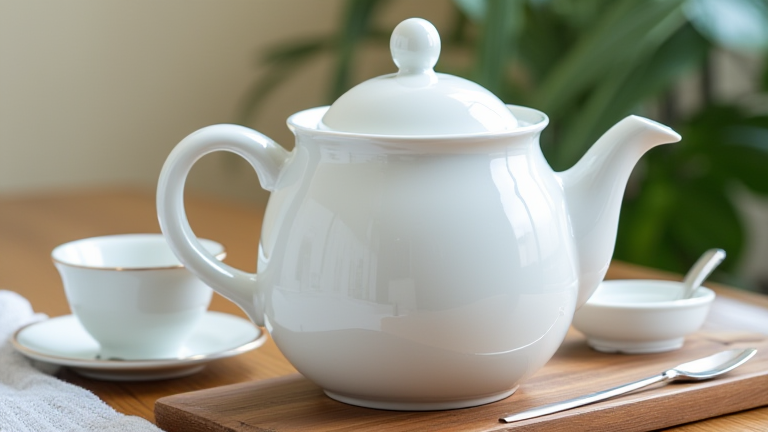
TL;DR: To use a porcelain teapot, rinse it with hot water to warm the vessel, add loose leaf tea, and pour boiling water adjusted for the specific tea type. For care, wash the pot gently with warm water and a soft sponge immediately after use, avoiding soap to preserve the natural flavor absorption properties of the material.
Understanding Your Porcelain Teapot
Porcelain is a high-fire ceramic known for its smooth, non-porous surface. Unlike clay teapots, porcelain does not absorb tea oils or flavors. This makes it an ideal choice for tasting different types of tea without cross-contamination. The white interior allows you to visually monitor the tea leaves as they unfurl and the liquor color develops, providing a precise cue for brewing time.
If you want to dig deeper, check out our guide on Health Benefits of Porcelain Teapots: Why Material Matters.
Step-by-Step Brewing Instructions
First, preheat your teapot by rinsing it with hot water. This prevents the sudden temperature shock that could crack the porcelain and ensures consistent brewing. Next, add the appropriate amount of loose leaf tea. A general rule is one teaspoon of tea per cup. Pour hot water over the leaves. The temperature varies by tea: use boiling water for black and oolong teas, while green and white teas require water between 170°F and 185°F to avoid bitterness. Let the tea steep for the recommended time, then pour the liquid through the integrated strainer into your cups.
Essential Care and Maintenance
Proper care extends the life of your tea set and maintains its aesthetic appeal. Never place a hot porcelain teapot directly into cold water, as thermal shock can cause hairline fractures. After each use, empty the pot and rinse it thoroughly. Use a soft, non-abrasive sponge and warm water. Avoid using dish soap, as residues can leave a soapy taste in future brews. If tea stains appear on the exterior, a paste of baking soda and water can gently lift the marks. Store the teapot in a dry place with the lid slightly ajar to allow airflow and prevent stale odors from developing.
FAQ
Q: Can I use a porcelain teapot in the dishwasher?
A: It is generally recommended to hand wash porcelain teapots to preserve the glaze and avoid potential damage from high heat and harsh detergents.
Q: Why does my porcelain teapot not retain heat as well as clay?
A: Porcelain is less porous and thinner than unglazed clay, which means it conducts heat away from the liquid faster, making it better for short-steep teas.
Q: How do I remove stubborn tea stains from the outside?
A: Create a paste with baking soda and water, apply it to the stained area, let it sit for ten minutes, and then gently scrub with a soft sponge before rinsing.
Leave a Reply