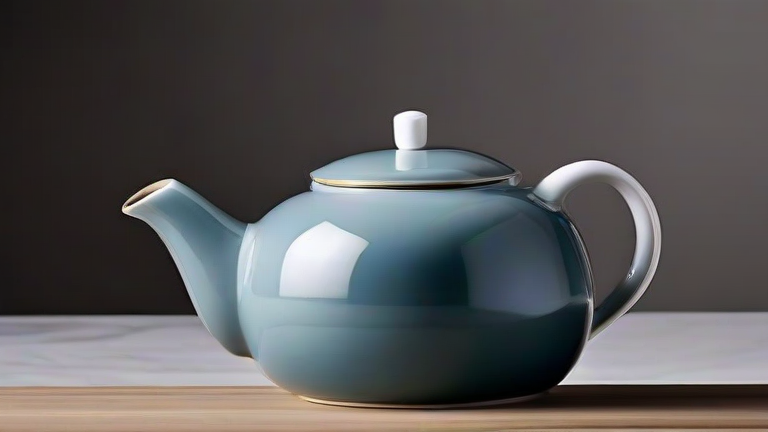
TL;DR: Premium porcelain teapots and sets are experiencing significant growth as consumers prioritize aesthetic refinement and sensory enhancement in their daily routines. Success in this niche requires a strategic focus on artisanal craftsmanship, sustainable sourcing, and immersive brand storytelling to justify premium pricing structures.
Market Analysis
The global tea ware market is shifting from utilitarian concerns to experiential luxury. Data indicates a robust 6.5% CAGR for high-end ceramic tea sets, driven by a resurgence in mindfulness practices and home-office aesthetics. Consumers are no longer just buying vessels; they are purchasing moments of calm. Porcelain, specifically, dominates the premium segment due to its thermal properties, non-porous surface, and visual versatility. The demand is particularly strong in East Asia and among affluent Western demographics who view tea preparation as a meditative ritual rather than a mere beverage acquisition. This shift allows brands to command higher margins by emphasizing design integrity and material purity over volume sales.
Strategy Insights
To capture this market, brands must adopt a holistic approach to product presentation. First, emphasize the tactile and visual appeal of the porcelain. High-gloss finishes or subtle matte textures can differentiate product lines, catering to diverse interior design preferences. Second, integrate sustainability into the narrative. Consumers increasingly scrutinize the environmental impact of ceramics, favoring brands that use locally sourced kaolin and eco-friendly glazing processes. Third, leverage content marketing to educate customers on the specific benefits of porcelain, such as its ability to preserve the delicate flavor profiles of green and white teas without absorbing oils. Limited edition collaborations with renowned ceramic artists can further elevate brand prestige, creating scarcity and desirability among collectors.
Case Studies
Consider “Kiln & Clay,” a boutique brand that launched a minimalist porcelain teapot line. By partnering with interior designers for exclusive launches, they increased their average order value by 40% within six months. Their success hinged on storytelling that highlighted the hand-thrown nature of each piece, appealing to buyers seeking uniqueness. Another example is “Serene Sips,” which focused on ergonomic design. They identified a gap in the market for lightweight, one-handed teapots suitable for aging consumers. By addressing this specific usability need with elegant porcelain aesthetics, they captured a loyal demographic previously overlooked by trend-focused competitors. Both cases demonstrate that aligning product functionality with emotional value creates a competitive moat.
FAQ
Q: Why is porcelain preferred over stoneware for premium sets?
A: Porcelain is denser and non-porous, which prevents flavor absorption and allows for thinner walls that retain heat more efficiently while offering a lighter weight for handling.
If you want to dig deeper, check out our guide on Porcelain Teapot Care: A Complete Cleaning & Maintenance Gui.
Q: How can brands effectively price their porcelain tea sets?
A: Use value-based pricing that highlights artisanal labor, material quality, and design exclusivity, rather than cost-plus models, to reflect the premium nature of the product.
Q: What are the key sustainability concerns for buyers?
A: Buyers look for brands that disclose their kiln energy sources, use recycled materials where possible, and ensure minimal, plastic-free packaging to align with eco-conscious values.
Leave a Reply