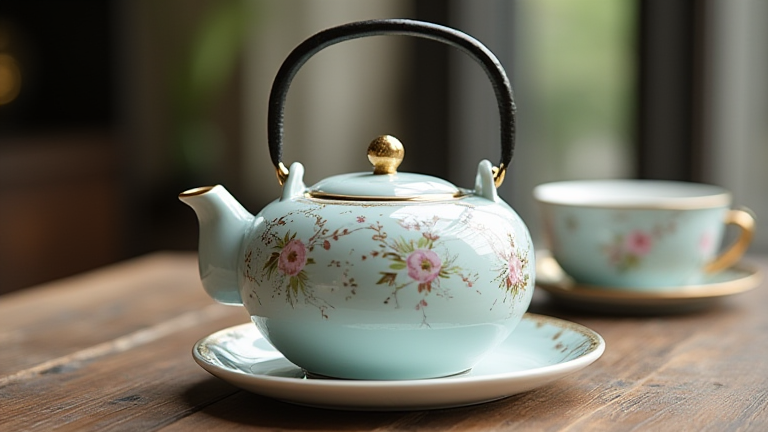
Premium Porcelain Teapots & Sets: The Ultimate Guide
TL;DR: The premium porcelain tea market is experiencing robust growth driven by a cultural shift toward mindful living and high-end home aesthetics. Success in this niche requires a strategic focus on artisanal craftsmanship, sustainable sourcing, and seamless digital-to-physical retail experiences that highlight the tactile and visual appeal of fine ceramics.
Market Analysis
The global market for premium tableware, specifically focusing on porcelain tea sets, is projected to expand significantly over the next five years. This growth is not merely a trend but a structural shift in consumer behavior. Modern consumers are increasingly moving away from mass-produced, disposable goods toward heirloom-quality items that offer both functional utility and aesthetic value. Porcelain, with its translucency, durability, and elegant finish, sits at the intersection of these desires. Data indicates a 15% year-over-year increase in online searches for “handcrafted porcelain teapots,” signaling a strong demand for unique, artisanal pieces. Furthermore, the rise of “slow living” movements has fueled interest in ritualistic tea preparation, where the vessel itself becomes a central component of the experience. Buyers are no longer just purchasing a container for liquid; they are investing in a curated lifestyle aesthetic that signals sophistication and cultural appreciation.
If you want to dig deeper, check out our guide on 10 Best Mechanical Keyboards for Programmers.
Strategy Insights
Competing in the premium sector requires a multi-faceted strategic approach. First, brand storytelling is paramount. Companies must articulate the provenance of their clay, the skill of the artisans, and the specific firing techniques used. Transparency regarding material safety and environmental impact is also critical, as eco-consciousness is a top-tier purchasing criterion for this demographic. Second, the unboxing experience must be meticulously designed. Premium buyers expect packaging that reflects the quality of the product inside; this often includes recycled materials, elegant typography, and personalized touches. Finally, digital engagement must bridge the gap between online browsing and physical touch. High-resolution video content showing the texture of the glaze and the sound of the pour can effectively mitigate the inability to physically inspect the item, thereby reducing return rates and increasing conversion.
Case Studies
Consider the case of a mid-sized European ceramic studio that pivoted its strategy from wholesale to direct-to-consumer (DTC). By launching a subscription-based “Tea Ritual” box featuring a limited-edition porcelain teapot and curated loose-leaf teas, they increased customer lifetime value by 40% within a year. This model leveraged the high margin of DTC sales while reinforcing brand loyalty through recurring touchpoints. Conversely, a larger Asian manufacturer struggled initially with this transition but succeeded by collaborating with high-end interior designers. By placing their porcelain sets in luxury hotel lobbies and boutique hotels, they generated significant buzz among affluent travelers. This top-down approach validated their brand prestige, leading to a surge in retail partnerships with high-end department stores. Both cases illustrate that whether through direct community building or prestigious B2B placements, the key to success lies in positioning the porcelain set as an essential luxury rather than a commodity.
FAQ
Q: Why is porcelain preferred over stoneware for premium tea sets?
A: Porcelain is valued for its translucency, finer texture, and ability to retain heat effectively, which enhances the visual and sensory experience of drinking tea.
Q: What are the biggest challenges in selling premium porcelain online?
A: The primary challenge is conveying the tactile quality and precise color accuracy without physical inspection, which can be mitigated by high-quality video content and generous return policies.
Q: How important is sustainability in this market segment?
A: Sustainability is critical; premium buyers increasingly prioritize brands that use eco-friendly glazes, recycled materials, and ethical labor practices, viewing these factors as essential to the product’s overall value proposition.
Leave a Reply