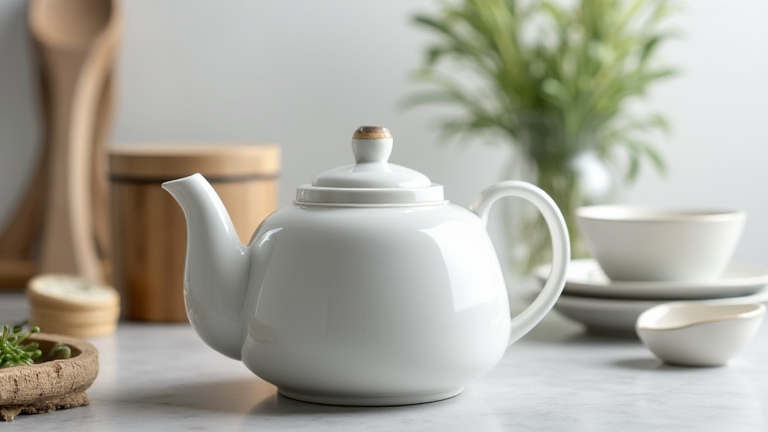
Porcelain Teapot Guide: How to Choose, Use & Care for Your Set
TL;DR: Select a high-quality porcelain teapot with a tight-fitting lid and comfortable spout to ensure optimal heat retention and ease of pouring. Always rinse with hot water before brewing and dry thoroughly after use to prevent water spots and maintain the vessel’s pristine white finish.
Choosing the right porcelain teapot is the first critical step in elevating your tea ritual. Porcelain is a non-porous material, meaning it does not absorb flavors from previous brews. This makes it ideal for light teas like white, green, and oolong, where purity of taste is paramount. When shopping, look for sets that feature a uniform glaze without visible pinholes or cracks. A high-fired porcelain piece will have a brighter white color and a smoother, more durable surface compared to low-fired alternatives. Additionally, check the weight of the teapot. A well-balanced teapot should feel substantial enough to provide stability when pouring but light enough to maneuver easily. The handle should be securely attached and ergonomically shaped to prevent slipping, especially when the vessel is filled with hot water. For a complete set, ensure that the cups match the teapot in style and color to create a cohesive aesthetic on your tea table.
If you want to dig deeper, check out our guide on Why Quiet Luxury Watches Are Replacing Designer Logos.
Proper usage begins with priming the teapot. Before adding your dry leaves, pour freshly boiled water into the empty teapot and let it sit for thirty seconds. This step, known as warming the vessel, ensures that the water temperature remains consistent throughout the steeping process, which is crucial for extracting the best flavors from delicate teas. Discard this warming water and then add your tea leaves. For loose-leaf teas, use a standard ratio of one teaspoon of tea per eight ounces of water, adjusting based on personal preference. Pour the water gently over the leaves, avoiding vigorous agitation that could bruise the leaves and release excessive tannins. Let the tea steep for the recommended time; over-steeping green or white teas can result in a bitter, astringent cup. Once steeping is complete, pour the tea fully into a serving pitcher or directly into cups. Leaving the leaves in the pot allows the tea to continue steeping, leading to a bitter taste.
Caring for your porcelain teapot is straightforward but requires attention to detail. After each use, empty any remaining leaves and rinse the pot with warm water. Avoid using soap, as it can leave a residue that affects the flavor of future brews. If your teapot has a mesh infuser, disassemble it and rinse the mesh under running water to remove small leaf particles. Dry the teapot and all components with a soft, lint-free cloth immediately. Porcelain is susceptible to water spots and mineral deposits if left to air dry, especially in hard water areas. Store your set in a dry, dust-free environment. If you notice any chips or cracks, discontinue use, as these imperfections can weaken the structural integrity of the porcelain and pose a safety hazard. Regular maintenance will ensure your teapot remains beautiful and functional for years to come.
FAQ
Q: Can I use a porcelain teapot for strong black teas?
A: Yes, porcelain is suitable for black teas, but because it does not absorb flavors, it is best for teas that do not require flavor infusion from the vessel itself. It is a neutral vessel that preserves the true character of the tea leaves without adding any external taste notes.
Q: How do I remove stubborn tannin stains from my teapot?
A: While porcelain is non-porous, tannins can sometimes leave surface stains. Soak the teapot in a mixture of warm water and a small amount of baking soda for several hours. Scrub gently with a soft brush, then rinse thoroughly to remove any residue before your next brew.
Q: Is it safe to put a porcelain teapot in the dishwasher?
A: Most high-quality porcelain teapots are dishwasher safe, but it is recommended to hand wash them. The high heat and harsh detergents in dishwashers can degrade the glaze over time, potentially causing micro
Leave a Reply