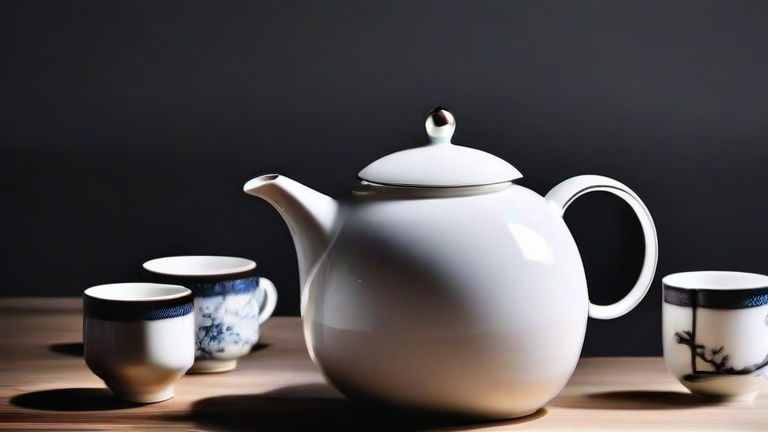
TL;DR: Modern porcelain tea sets integrate IoT sensors, smart lids, and induction-compatible bases to monitor water temperature, steeping time, and aroma release in real-time. These innovations transform traditional brewing into a data-driven experience, enhancing consistency and user engagement for tea enthusiasts.
The Convergence of Tradition and Technology
The porcelain teapot, a staple of global tea culture for centuries, is undergoing a quiet revolution. No longer just a vessel for hot water and leaves, the modern teapot is becoming a smart device. Recent developments focus on embedding technology within the ceramic structure without compromising the aesthetic or tactile experience that defines porcelain. This fusion aims to solve the common problem of inconsistent brewing by providing precise control over the most critical variables: temperature, time, and humidity.
If you want to dig deeper, check out our guide on Smart Porcelain Teapots: Top Tech Features for Modern Tea Lo.
Seven Key Innovations
First, embedded thermistors now allow for real-time internal temperature monitoring. Unlike external probes, these sensors are sealed within the double-wall porcelain, ensuring accurate readings of the liquid itself. Second, smart lids equipped with pressure sensors detect when the water has reached the optimal steeping point, signaling the user via haptic feedback or a gentle chime. Third, induction-compatible bases are becoming standard. These bases feature variable-frequency coils that can heat the porcelain pot to specific temperatures, such as the 80°C ideal for green tea, without scorching the leaves.
Fourth, Bluetooth and Wi-Fi modules connect the teapot to mobile applications. These apps guide users through complex brewing recipes, adjusting for altitude and water hardness. Fifth, LED light rings integrated into the base indicate the brewing phase, using color coding to show when it is time to pour. Sixth, moisture sensors within the lid prevent over-steeping by alerting users when the aroma compounds begin to degrade. Finally, some high-end sets feature self-cleaning cycles, using ultrasonic vibrations at low amplitudes to dislodge tea residue from the interior walls, a significant upgrade for maintenance.
Technical Specifications and Hardware
The hardware in these devices is surprisingly sophisticated. Most smart porcelain teapots utilize low-power Bluetooth 5.0 chips, such as the Nordic nRF52832, to maintain a connection with smartphones for hours on a single charge. The batteries are typically lithium-polymer, housed in the handle or the base to keep the center of gravity stable. Temperature sensors often use digital I²C interfaces for high-precision data transmission, capable of detecting changes as small as 0.1 degrees Celsius. The porcelain itself is engineered with thermal shock resistance, allowing it to withstand rapid temperature changes induced by the smart heating elements. Furthermore, the ceramic glazes are now being tested for compatibility with wireless charging coils, allowing the teapot to recharge simply by placing it on a compatible saucer.
Industry Impact and Market Trends
The introduction of smart tech in porcelain teapots is reshaping the tea industry. Manufacturers are no longer competing solely on design or material origin; they are competing on data and user experience. This shift is driving a new category of “connected kitchenware,” where appliances share data to optimize the entire brewing process. For consumers, this means a lower barrier to entry for achieving professional-grade tea. The industry is also seeing a rise in subscription services linked to smart teapots, where users receive custom tea blends based on their brewing history and preferences logged by the device. This data-rich ecosystem is creating new revenue streams for tea brands, moving them from simple product sales to ongoing customer engagement. As the technology matures, we can expect even tighter integration with broader home automation systems, allowing smart teapots to coordinate with smart kettles and air purifiers to create the perfect tea-drinking environment. The porcelain teapot is no longer just a relic of the past; it is a gateway to the future of culinary precision.
FAQ
Q: Can smart porcelain teapots be used with any type of tea?
A: Yes, they are compatible with all tea types, including black, green, white, and herbal, as the apps allow for custom temperature and time settings for each variety.
Q
Leave a Reply