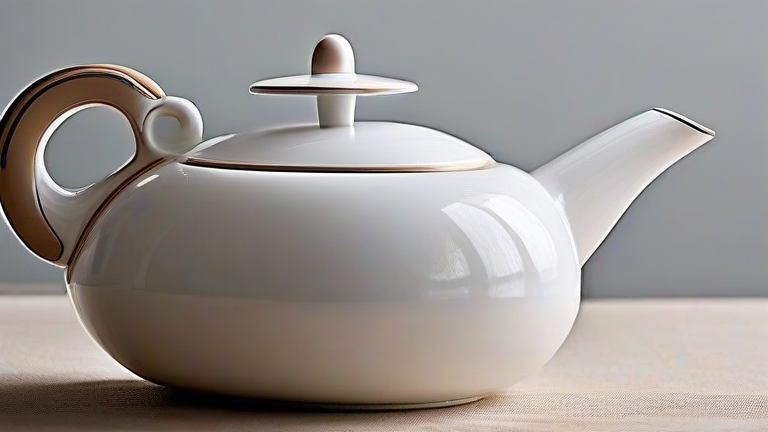
TL;DR: Porcelain teapots offer a chemically inert environment that prevents harmful leaching, ensuring your tea retains its natural antioxidants and flavor without contamination. Choosing high-quality porcelain for your tea set is a simple, science-backed step toward safer daily hydration and improved long-term wellness.
The Inert Advantage of Porcelain
In the pursuit of a healthy lifestyle, the materials we use for daily consumption play a critical role. Porcelain, a fine ceramic made from kaolin clay, quartz, and feldspar, has been the gold standard for tea brewing for centuries. Unlike reactive metals or low-grade plastics, high-quality porcelain is non-porous and chemically inert. This means it does not react with the acidic compounds found in tea leaves, such as catechins and tannins. Scientific studies on material safety emphasize that inert containers prevent the migration of heavy metals or microplastics into hot beverages. By using a porcelain teapot, you eliminate the risk of ingesting synthetic compounds that can leach when exposed to high temperatures, a common concern with plastic or poorly glazed ceramic ware. This safety profile makes porcelain an ideal choice for individuals seeking to minimize their exposure to environmental endocrine disruptors while enjoying a warm, comforting drink.
If you want to dig deeper, check out our guide on Premium Porcelain Teapots & Sets: Elevate Your Tea Ritual.
Preserving Nutrients and Flavor Integrity
The health benefits of tea extend far beyond hydration, encompassing a rich array of polyphenols, amino acids, and vitamins that contribute to cardiovascular health and mental clarity. Porcelain excels at preserving these delicate nutrients because it does not impart any off-flavors or odors to the brew. The smooth, glossy interior surface of a well-made porcelain teapot allows for easy cleaning, reducing the risk of bacterial buildup or mold growth that can occur in porous materials. This hygiene aspect is crucial for wellness, as consuming contaminated tea can lead to gastrointestinal issues. Furthermore, porcelain retains heat efficiently, allowing for optimal steeping temperatures that maximize the extraction of beneficial compounds without burning the leaves. For those who consume green or white tea, which are sensitive to high heat, the precise thermal properties of porcelain help maintain the delicate balance required to extract L-theanine and other calming agents without introducing bitterness. This preservation of both flavor and nutritional integrity supports a more effective and enjoyable tea ritual.
Choosing the Right Porcelain Tea Set
When investing in a porcelain tea set, quality is paramount. Look for teapots labeled as lead-free and cadmium-free, particularly if they are brightly colored, as these metals can leach from inferior glazes. Opt for unglazed interiors or food-grade, high-fire glazes that are certified safe for culinary use. Additionally, consider the design of your porcelain teapot; a tight-fitting lid and a smooth spout contribute to better brewing control and hygiene. Incorporating a porcelain tea set into your daily routine encourages mindfulness and slower consumption, which aids digestion and reduces stress. By selecting durable, non-toxic porcelain, you are not only making a sustainable choice but also prioritizing your health through every cup. This mindful approach to tea preparation aligns with modern wellness trends that emphasize clean eating and safe material use. Ultimately, the right porcelain teapot transforms a simple beverage into a therapeutic experience, supporting your body’s natural defenses and promoting overall well-being through safe, pure hydration.
FAQ
Q: Is porcelain safe for boiling water?
A: Yes, high-quality porcelain is heat-resistant and safe for boiling water, provided it is free from hairline cracks that could compromise its structural integrity over time.
Q: How does porcelain compare to glass for health?
A: Both are inert and non-toxic, but porcelain offers better heat retention and durability, making it less prone to breakage and more effective at maintaining optimal steeping temperatures for nutrient extraction.
Q: Do I need special care for a porcelain teapot?
A: Porcelain is low-maintenance; simply wash with mild soap and water. Avoid abrasive scrubbers that might scratch the glaze, and ensure the teapot is fully dry before storage to prevent any potential moisture issues.
Leave a Reply