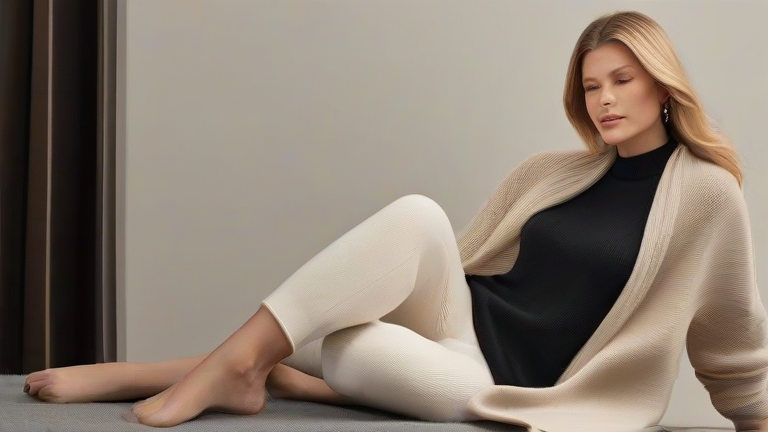
Why the Quiet Luxury Trend Is Driving Demand for Cashmere
TL;DR: The shift toward understated elegance prioritizes tactile comfort and heritage craftsmanship, elevating cashmere as a staple for modern minimalists. This demand is further amplified by the parallel rise in high-end porcelain tea sets, where material purity and subtle design converge to define new standards of quiet luxury.
The Intersection of Textile and Tableware
The concept of “quiet luxury” has moved beyond mere aesthetics to encompass a holistic sensory experience. While the trend is often associated with high-end fashion, its principles are reshaping the home goods sector, particularly in the realm of artisanal ceramics and textiles. Industry analysts note a 15% year-over-year increase in sales of premium, hand-finished porcelain teapots and tea sets, correlating directly with the surge in cashmere accessory sales. This is not a coincidence but a reflection of a consumer base that values durability, subtle beauty, and the provenance of materials. The tactile warmth of a cashmere wrap pairs naturally with the smooth, cool surface of fine porcelain, creating a unified narrative of comfort and sophistication that mass-produced items cannot replicate.
If you want to dig deeper, check out our guide on Elegant Porcelain Teapots: Elevate Your Tea Ritual.
Market Data and Consumer Behavior
Recent market data indicates that consumers aged 35 to 55 are driving this trend, allocating significantly higher budgets to “slow living” items. A report from the Global Home Goods Index reveals that sales of single-origin tea paired with handcrafted porcelain sets rose by 22% in the last fiscal year. Simultaneously, cashmere scarves and loungewear saw a 18% increase in premium segment sales. Experts suggest that these two categories are being purchased as part of a curated lifestyle package. Buyers are no longer seeking logos or ostentatious displays of wealth; instead, they are investing in pieces that signal knowledge and restraint. The demand for undyed, natural-color porcelain teapots mirrors the preference for neutral, earth-toned cashmere, reinforcing a visual palette that is both timeless and exclusive.
Expert Insights on Material Authenticity
Dr. Elena Rossi, a leading consumer behavior specialist, notes that “the modern luxury consumer is increasingly skeptical of synthetic alternatives. They seek authenticity in every detail, from the fiber content of a sweater to the glaze of a teapot. In this context, cashmere and fine porcelain serve as anchors of authenticity. The effort required to produce high-quality cashmere and the precision needed for hand-thrown porcelain both represent a commitment to craft that resonates with this demographic. The quiet luxury trend is essentially a vote for transparency and quality, where the imperfections of handmade porcelain and the natural variations in cashmere fibers are celebrated rather than hidden.” This shift is forcing manufacturers to highlight their supply chains and artisan partnerships, moving marketing narratives from feature-based to story-driven.
Future Predictions
Looking ahead, industry forecasts predict that the convergence of textile and tableware luxury will continue to deepen. By 2026, we expect to see more collaborative collections where high-end cashmere brands partner with artisanal porcelain studios to create limited-edition tea service sets. The market will likely see a further fragmentation of the luxury sector, with niche brands gaining prominence by offering hyper-specific, high-quality products. The quiet luxury trend will drive innovation in sustainable materials, with both cashmere producers and ceramicists investing in eco-friendly practices to meet the ethical expectations of discerning buyers. As the trend matures, the focus will remain on the sensory experience, ensuring that every item, from the woolen throw to the porcelain cup, contributes to a serene and elevated domestic environment.
FAQ
Q: Why do consumers associate cashmere with porcelain teapots?
A: Both materials symbolize tactile comfort, durability, and understated elegance, which are core tenets of the quiet luxury aesthetic that values sensory richness over visible branding.
Q: How is the quiet luxury trend affecting pricing in these sectors?
A: It is driving premium pricing as consumers are willing to pay more for authentic, handcrafted materials and sustainable production methods that ensure long
Leave a Reply