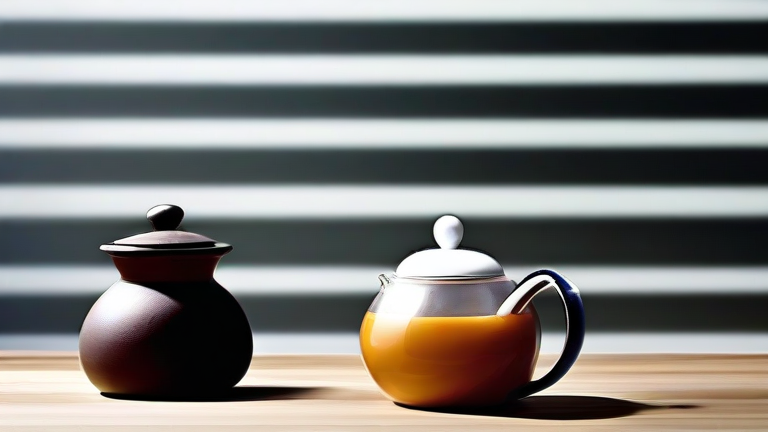
Porcelain Teapots & Health: How Material Impacts Your Tea
TL;DR: Porcelain teapots are chemically inert and non-porous, ensuring your tea retains its pure flavor and essential nutrients without absorbing odors or leaching harmful substances. Choosing a high-quality porcelain set is a safe, hygienic, and effective way to maximize the health benefits of your daily tea ritual.
The Chemical Integrity of Porcelain
When considering the vessel for your daily brew, the material matters significantly more than aesthetics. Unlike clay or cast iron, porcelain is fired at extremely high temperatures, resulting in a glass-like, non-porous surface. This structural density is the primary health advantage. Because porcelain does not absorb liquids, it prevents the migration of external flavors or odors into your tea. For instance, if you previously brewed a strong herbal remedy in a porous stoneware pot, residual compounds might linger and alter the taste and chemical profile of subsequent green or white teas. With porcelain, every cup is chemically isolated, preserving the delicate polyphenols and amino acids that contribute to the antioxidant properties of high-quality teas.
Preserving Nutritional Value
Health-conscious drinkers often worry about heavy metals or chemical leaching. Reputable porcelain teapots are manufactured using food-safe glazes that are lead-free and cadmium-free. These glazes create a stable barrier that prevents any potential interaction between the ceramic body and the hot liquid. This is crucial because some lower-quality ceramics, particularly those with bright, opaque glazes, may contain unstable compounds that can leach into acidic or hot liquids over time. By selecting a certified food-safe porcelain teapot, you ensure that the only things interacting with your water are the tea leaves themselves. This purity allows you to fully benefit from the hydration and antioxidant intake, free from the risk of ingesting unwanted contaminants. The smooth, glazed interior also makes cleaning easier, reducing the buildup of bacterial colonies that can sometimes occur in the microscopic pores of unglazed clay if not meticulously maintained.
Thermal Stability and Lifestyle Integration
Porcelain offers excellent thermal stability, maintaining the ideal brewing temperature for longer periods than thinner materials. Consistent heat extraction is vital for releasing the specific health compounds found in different tea varieties. For example, black teas require higher temperatures to fully extract tannins and catechins, while delicate oolongs need precise temperature control to avoid bitterness. A well-made porcelain teapot retains heat effectively, ensuring optimal extraction without scalding the leaves. Furthermore, the durability of porcelain makes it a sustainable choice for long-term use. Investing in a high-quality porcelain tea set encourages a consistent, mindful drinking habit. The ritual of using a beautiful, durable vessel can reduce stress and promote mindfulness, which are key components of overall wellness.
Practical Tips for Care
To maintain the health benefits of your porcelain teapot, avoid using harsh chemical cleaners. Instead, rinse with hot water and a soft brush. If tea stains appear, a mild vinegar solution can safely remove them without damaging the glaze. Always ensure your porcelain set is labeled as microwave-safe if you plan to reheat tea, though brewing directly is preferred. Regular inspection for chips or cracks in the glaze is essential; any damage can compromise the barrier, potentially exposing the underlying ceramic to your drink. By adhering to these simple care instructions, your porcelain teapot will remain a hygienic, effective, and healthy addition to your wellness routine for years to come.
FAQ
Q: Is porcelain safe for brewing herbal teas?
A: Yes, porcelain is ideal for herbal teas because its non-porous nature prevents the absorption of strong essential oils, ensuring no flavor carryover between different herbal blends.
If you want to dig deeper, check out our guide on Porcelain Teapot Buying Guide: How to Choose the Perfect Tea.
Q: Can I use a porcelain teapot for very hot water?
A: Most high-quality porcelain teapots are designed to withstand boiling water, but always check the manufacturer’s guidelines for thermal shock resistance if pouring boiling water into a cold vessel.
Q: How does porcelain compare to glass for health benefits?
A: Both are inert and safe, but porcelain offers
Leave a Reply