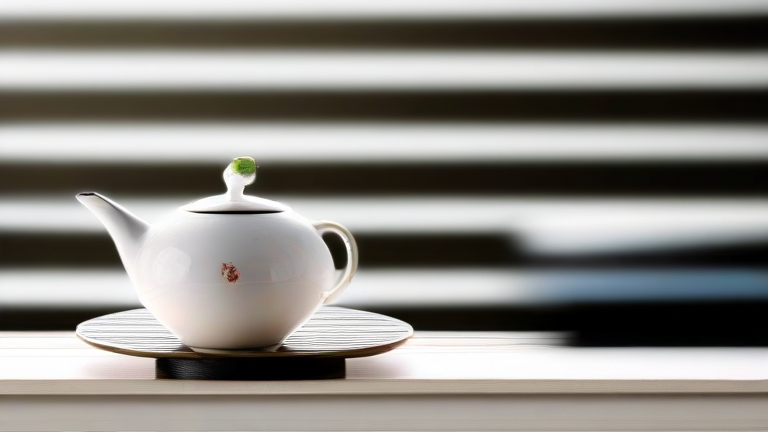
Porcelain Teapot Tutorial: How to Choose & Care for Your Tea Set
TL;DR: Select a porcelain teapot based on your preferred tea type, ensuring the spout fits your pouring style and the capacity matches your drinking habits. To care for it, hand wash gently with warm water and a soft cloth, avoiding dishwashers and abrasive cleaners to preserve the glaze and structural integrity.
Choosing the right porcelain teapot is the first step toward elevating your tea ceremony. Porcelain is the most popular material for tea sets because it is non-porous, meaning it does not absorb flavors or aromas from previous brews. This neutrality makes it ideal for white, green, or oolong teas where subtle notes are paramount. When selecting a teapot, consider the shape of the spout. A straight spout offers a controlled, steady stream, while a curved spout allows for a more dramatic pour. Ensure the spout is long enough to clear the rim of your cup without dripping. Additionally, check the lid fit. A well-designed porcelain lid should sit snugly to retain heat but not be so tight that it becomes difficult to remove during the brewing process. The handle is another critical component; it should be comfortable to grip and remain cool to the touch, even when the pot is full of boiling water. Look for a handle that is securely attached and proportionate to the weight of the filled pot.
If you want to dig deeper, check out our guide on Porcelain Teapot Guide: How to Choose, Use & Care for Your S.
Once you have chosen your teapot, proper maintenance is essential for longevity. Porcelain is durable but can chip if dropped, so handle it with care. Never place a cold porcelain teapot directly under boiling water, as the thermal shock can cause cracks. Instead, pre-warm the pot by pouring hot water inside, swirling it, and then discarding the water. This step also helps to clean out any dust or residual glaze from manufacturing. For cleaning, always use warm water and a soft sponge or cloth. Avoid using soap, as some detergents can leave a residue that affects the taste of future brews. If you brew strongly flavored teas like black or herbal, rinse the pot thoroughly with hot water immediately after use. Do not use abrasive scrubbers, as they can scratch the glossy glaze, creating spots where stains can accumulate. For stubborn stains, a paste of baking soda and water can be used gently, followed by a thorough rinse.
Storage is also a crucial part of caring for your tea set. Porcelain can crack if it comes into contact with other hard objects, so store your teapot and cups separately or use foam dividers in a cabinet. Avoid stacking heavy items on top of the teapot. If you live in an area with hard water, mineral deposits may build up over time. To remove these, soak the teapot in a solution of equal parts white vinegar and water for a few hours, then rinse well. Regular use actually helps to season the interior, though with porcelain, this is less about flavor absorption and more about maintaining the material’s stability. By following these simple guidelines, you can ensure that your porcelain teapot remains a beautiful and functional centerpiece for your tea rituals for years to come. The aesthetic appeal of porcelain, with its elegant lines and often intricate designs, complements the ritual of tea drinking, making it a worthwhile investment for any enthusiast.
FAQ
Q: Can I put a porcelain teapot in the dishwasher?
A: It is generally recommended to avoid the dishwasher because the high heat and harsh detergents can weaken the glaze over time and cause hairline cracks due to thermal shock.
Q: How do I remove tea stains from a white porcelain teapot?
A: Soak the teapot in a mixture of warm water and baking soda for a few hours, then scrub gently with a soft cloth and rinse thoroughly to restore its brightness.
Q: Is porcelain safe for brewing all types of tea?
A: Yes, porcelain is non-porous and neutral, making it safe and ideal for brewing all tea types, including delicate green teas and robust black teas, without altering their flavor profiles.
Leave a Reply