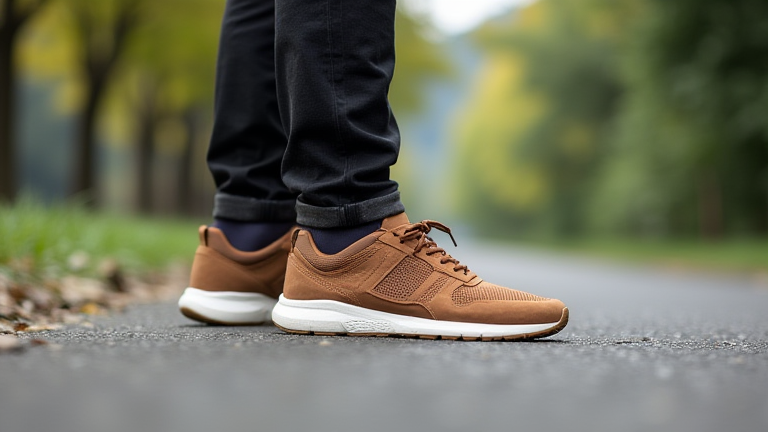
Why the Rise of Plant-Based Leather Is Reshaping the Vegan Sneaker Market
TL;DR: The surge in plant-based leather alternatives is driving sustainable innovation in vegan footwear, allowing brands to mimic traditional textures without animal products. This shift is reshaping market dynamics by appealing to eco-conscious consumers who prioritize both ethical production and aesthetic quality in their sneaker choices.
The global footwear industry is undergoing a significant transformation as environmental concerns and ethical consumption practices gain prominence. Central to this change is the rapid adoption of plant-based leather alternatives, which are redefining the standards for vegan sneakers. Unlike traditional animal-derived leathers, these bio-based materials offer a compelling balance of durability, aesthetic appeal, and reduced environmental impact. As major fashion houses and emerging startups alike invest in this sector, the landscape of footwear manufacturing is being fundamentally altered, creating new opportunities and challenges for manufacturers, retailers, and consumers alike.
Market data indicates a robust growth trajectory for the sustainable footwear segment. Recent reports suggest that the global market for plant-based materials in fashion is expanding at a compound annual growth rate of approximately 12-15% over the next five years. This growth is fueled by a demographic shift, particularly among Millennials and Gen Z consumers, who are increasingly likely to choose brands that align with their values regarding sustainability and animal welfare. In the specific context of sneaker manufacturing, the substitution of synthetic polyurethane and animal leather with materials like apple peels, pineapple leaves, and cactus fibers is not merely a marketing tactic but a strategic pivot. These materials often possess unique tactile properties that resonate with sneaker enthusiasts who value both comfort and distinct design elements.
Expert insights from industry analysts highlight the technological breakthroughs that have made this transition viable. Dr. Elena Ross, a materials scientist specializing in bio-composites, notes that the integration of nanotechnology has significantly improved the tensile strength and water resistance of plant-based leathers. “The early iterations of these materials were often criticized for their lack of durability and tendency to degrade quickly,” Ross explains. “However, recent advancements in cross-linking agents and bio-polymers have resulted in materials that rival the performance of traditional leather under normal wear conditions. This durability is crucial for the sneaker market, where longevity is a key purchasing criterion.” Furthermore, the carbon footprint of producing plant-based leather is substantially lower than that of conventional leather, which requires energy-intensive tanning processes and contributes to significant water pollution.
Future predictions suggest that plant-based leather will become a standard feature in mid-to-high-end vegan sneaker lines by 2026. We anticipate a further diversification of material sources, with mushroom mycelium and algae-based leathers entering the mainstream market. These emerging materials offer even lower environmental impacts and may eventually surpass plant-based options in terms of scalability and cost-effectiveness. Additionally, we expect to see a rise in circular economy models, where sneakers made from these bio-based materials can be more easily decomposed or repurposed at the end of their life cycle. Brands that fail to adapt to this trend risk losing relevance in a market that is increasingly driven by sustainability metrics and consumer awareness.
FAQ
Q: How does plant-based leather compare to synthetic leather in terms of environmental impact?
A: Plant-based leather generally has a lower environmental impact because it is biodegradable and derived from agricultural waste or fast-growing plants, whereas synthetic leather is petroleum-based and contributes to microplastic pollution.
If you want to dig deeper, check out our guide on Elevate Your Tea Ritual: 7 Ways Porcelain Teapots Enhance Li.
Q: What are the main challenges facing the adoption of plant-based leather in sneaker manufacturing?
A: The primary challenges include achieving consistent quality and durability across large-scale production, as well as managing the supply chain for raw materials that may be seasonal or regionally limited.
Q: Will plant-based leather eventually replace all synthetic materials in the vegan sneaker market?
A: While plant-based leather is gaining significant ground, it is unlikely to completely replace all synthetic materials in the near future, as synthetics offer unique performance characteristics for specific types of high-impact athletic footwear.
Leave a Reply