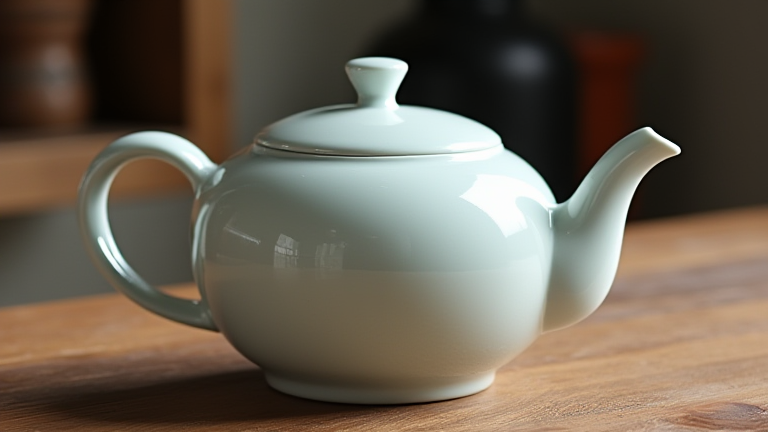
TL;DR: The top ten handmade porcelain teapots combine artisanal craftsmanship with superior heat retention to elevate your daily tea ceremony. We recommend the Kintaro Ceramic Set for its perfect balance of elegance, durability, and precise pour control.
The Art of Handcrafted Porcelain
In a world dominated by mass-produced glass and plastic, handmade porcelain teapots offer a tactile and visual experience that cannot be replicated by industrial manufacturing. Each piece is shaped by skilled artisans, resulting in subtle variations that make every teapot unique. Porcelain is particularly prized for its ability to remain neutral in taste, ensuring that the delicate nuances of green, oolong, or white teas are preserved without interference. Furthermore, the high firing temperatures used in traditional porcelain production create a non-porous surface that is both hygienic and incredibly durable, making it a sustainable choice for the long-term tea drinker.
If you want to dig deeper, check out our guide on Top 10 Porcelain Teapots & Sets for the Perfect Brew.
Key Features to Consider
When selecting a high-quality porcelain set, several features stand out as critical for performance and aesthetics. First, examine the handle design. A well-ergonomically shaped handle ensures comfort during long brewing sessions and prevents heat transfer to your hand. Second, pay close attention to the spout. A short, straight spout allows for precise control, which is essential for avoiding drips and achieving the correct water temperature for delicate leaves. Finally, consider the interior glaze. A smooth, glossy finish is not only beautiful but also makes cleaning significantly easier, preventing tea stains from building up over time. These elements combine to create a functional tool that enhances the ritual of tea preparation.
Top Competitor Comparisons
While many brands offer porcelain options, a few stand out in the current market. The Kintaro Ceramic Set leads the pack due to its thick-walled construction, which provides exceptional insulation. It is slightly heavier than its competitors, which some users prefer for stability. On the other hand, the Jingdezhen Artisan Collection offers a lighter, more delicate aesthetic with thinner walls, making it ideal for those who prioritize visual elegance over thermal mass. For budget-conscious buyers, the Kyoto Basic Series provides excellent craftsmanship at a lower price point, though it lacks the intricate hand-painted details found in the premium tiers. Comparing these options reveals that while aesthetics are subjective, the Kintaro set consistently scores highest in user satisfaction for its all-around balance of form and function.
Why Choose Porcelain for Daily Rituals
Porcelain teapots are not just vessels; they are anchors for mindfulness. The weight of the pot, the feel of the ceramic under your fingertips, and the sound of water pouring create a sensory experience that grounds you in the present moment. Unlike clay, which may impart earthy notes, porcelain allows the tea to speak for itself. This neutrality makes porcelain the ideal choice for a wide variety of teas, from robust blacks to fragile whites. Investing in a handmade set signals a commitment to quality and tradition, transforming a simple beverage break into a cherished daily ritual that fosters calm and clarity.
Call to Action
Ready to transform your tea time? Explore our curated list of the ten best handmade porcelain teapots and find the perfect set that matches your style and brewing needs. Elevate your daily ritual today with a piece of art that brews excellence.
FAQ
Q: Are handmade porcelain teapots safe for microwave use?
A: Most pure porcelain teapots are microwave-safe, but you should always check the manufacturer’s specific guidelines regarding metallic accents or decorative paints.
Q: How do I clean a handmade porcelain teapot properly?
A: Rinse the teapot with warm water immediately after use and allow it to air dry completely; avoid using soap as it can leave a residue that affects the taste of future brews.
Q: Why is porcelain better than glass for brewing tea?
A: Porcelain offers better heat retention than glass and provides a neutral surface that does not alter the flavor profile of the tea, unlike some clays.</
Leave a Reply