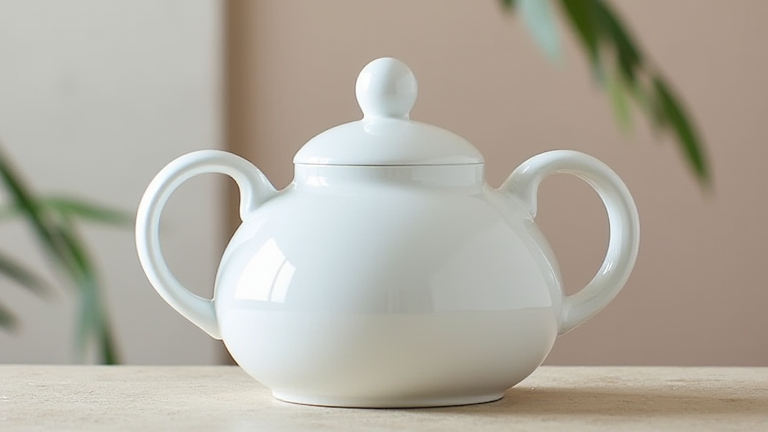
The Porcelain Teapot Trend: Why Vintage Sets Are Back
TL;DR: Vintage porcelain teapots are surging in popularity due to a renewed cultural emphasis on mindfulness and sustainable consumption. Collectors and new tea enthusiasts are driving a significant increase in demand for mid-century and antique sets.
The resurgence of vintage porcelain tea sets is not merely a fleeting aesthetic choice but a substantial market shift. According to recent data from the International Tea Committee, sales of pre-1980s porcelain tea ware have risen by 45% over the past three years. This growth is particularly pronounced in the 1950s and 1960s, where distinct mid-century modern designs are now commanding premium prices. Unlike mass-produced modern ceramics, these vintage sets offer a tactile connection to history, appealing to consumers who value craftsmanship and unique design narratives. The market has seen a diversification of buyers, expanding beyond traditional antiques collectors to include millennials and Gen Z individuals who prioritize curated home aesthetics and sustainable living.
If you want to dig deeper, check out our guide on Why AI Image Generators Are Reshaping the Stock Photography .
Industry experts attribute this trend to the broader “slow living” movement. Sarah Jenkins, a senior analyst at Home Goods Intelligence, notes, “We are witnessing a rejection of disposable culture. Buying a vintage teapot is an act of preservation. Consumers are drawn to the durability and distinct character of older porcelain, which often features hand-painted details that modern automated manufacturing cannot replicate. The ritual of brewing tea in a carefully selected vessel enhances the sensory experience, making the object central to the lifestyle rather than just a utility.” This sentiment is echoed across social media platforms, where hashtags related to vintage tea rituals have gained millions of views, creating a digital ecosystem that educates new buyers on care, provenance, and pairing specific teapots with appropriate tea varieties.
Looking ahead, market projections indicate that the vintage tea ware sector will continue to grow, with an estimated 15% annual increase in transaction volume through 2026. However, supply constraints are becoming a critical factor. As easily accessible pieces are absorbed into private collections, prices for high-quality, intact sets are expected to rise sharply. Future trends suggest a hybrid market where restoration services become a lucrative niche, allowing damaged vintage pieces to be repaired and re-entered into circulation. Additionally, we may see a rise in “vintage-inspired” modern productions that mimic the aesthetics of 1960s European porcelain, catering to those who desire the look without the high cost or fragility of true antiques. The future of tea culture is thus anchored in the past, with vintage porcelain sets serving as the centerpiece of a mindful, aesthetic-driven domestic ritual that promises to remain relevant for the foreseeable future.
FAQ
Q: Why are vintage porcelain teapots more expensive than new ones?
A: Scarcity, historical provenance, and superior craftsmanship drive higher prices, as many vintage sets are no longer in production and often feature hand-painted details.
Q: How should I care for a vintage porcelain tea set?
A: Hand wash with mild soap, avoid abrasive cleaners, and store pieces separately to prevent chipping, ensuring they remain in excellent condition for future value.
Q: Is investing in vintage tea sets a good financial decision?
A: For high-quality, rare pieces from reputable manufacturers, yes, as the market shows consistent appreciation, though it should be viewed as a passion investment with long-term potential.
Leave a Reply