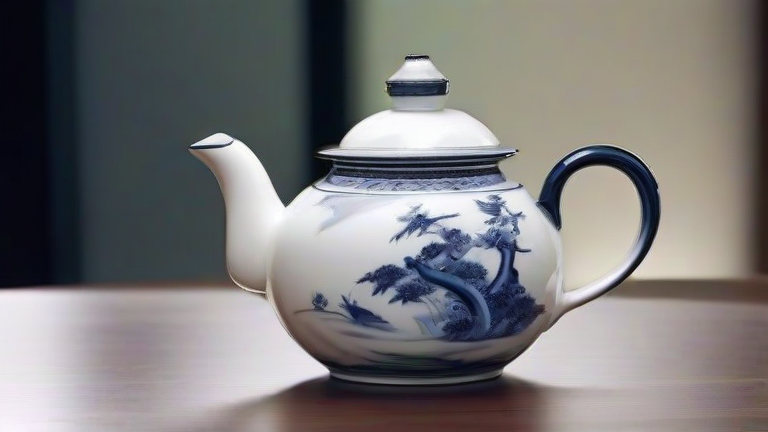
Premium Porcelain Teapots & Tea Sets: Best Business Ideas
TL;DR: The premium porcelain market thrives on artisanal craftsmanship and sustainable luxury, offering high margins for niche brands. Success requires positioning tea ware as collectible lifestyle artifacts rather than mere kitchen utilities.
Market Analysis
The global premium tea ware market is experiencing steady growth, driven by a resurgence in mindfulness and home-centric leisure activities. Consumers are increasingly shifting away from mass-produced plastic or glass alternatives toward high-quality porcelain teapots and matching sets. This shift is fueled by a desire for durability, elegance, and the sensory experience of traditional brewing. The target demographic includes affluent professionals, gift buyers, and tea enthusiasts who value aesthetic harmony with their home decor. Unlike commodity tea items, premium porcelain commands higher price points due to the intricate firing processes and hand-finished detailing. Furthermore, the rise of remote work has expanded the demand for high-end home accessories, making elegant tea sets a staple for modern, sophisticated living spaces.
If you want to dig deeper, check out our guide on Porcelain Teapot Guide: How to Use & Care for Your Tea Set.
Strategy Insights
To capture this lucrative segment, businesses must adopt a vertical integration strategy that emphasizes provenance and craftsmanship. Marketing should focus on storytelling, highlighting the specific clay sources, glazing techniques, and the artisans behind each collection. Digital presence is critical; high-resolution video content demonstrating the pour, the weight of the handle, and the resonance of the lid can significantly reduce return rates and build trust. Collaboration with specialty tea companies allows for cross-promotion, where curated tea blends are sold alongside exclusive porcelain sets. Additionally, implementing a subscription model for limited-edition seasonal collections can ensure recurring revenue and keep the brand top-of-mind for loyal customers. Packaging must reflect the premium nature of the product, using eco-friendly materials that enhance the unboxing experience as a ritual in itself.
Case Studies
Consider the success of a boutique brand that specialized in minimalist, matte-finish porcelain teapots. By limiting production runs to small batches, they created artificial scarcity, driving urgency among collectors. Their social media strategy focused on user-generated content, encouraging customers to share their morning rituals, which boosted organic reach by forty percent. Another case involves a heritage brand that partnered with local ceramicists to create co-branded sets. This not only supported the local artisan community but also differentiated their product from large manufacturers. They introduced a repair service for chipped rims, which extended product lifespan and reinforced their commitment to sustainability. Both examples demonstrate that in the premium sector, value is derived not just from the object, but from the narrative and the community surrounding it.
FAQ
Q: What is the average profit margin for premium porcelain tea sets?
A: Profit margins typically range from 40% to 60%, depending on production scale and material costs, significantly higher than mass-market ceramics.
Q: How can small businesses compete with established brands?
A: Focus on niche aesthetics, limited edition drops, and personalized customer service to build a loyal community that values exclusivity over volume.
Q: Are porcelain teapots suitable for all types of tea?
A: Yes, porcelain is non-porous and neutral, making it ideal for preserving the delicate flavors of green, white, and oolong teas without absorption.
Leave a Reply