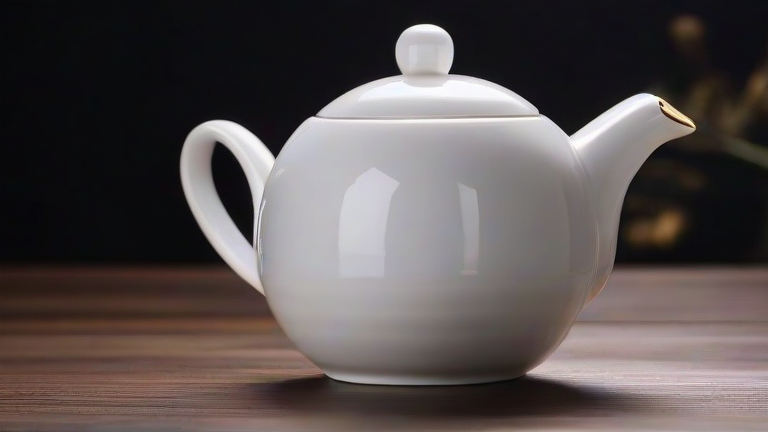
Why Porcelain Teapots Are a Smart Business Investment
TL;DR: Porcelain teapots offer high margins and strong brand loyalty due to their aesthetic versatility and cultural significance. Investing in this niche allows businesses to capture premium pricing through artisanal partnerships and sustainable sourcing strategies.
Market Analysis: The Rise of Slow Living
The global tea market is experiencing a significant shift from instant convenience products toward premium, artisanal beverages. This cultural pivot has driven robust demand for high-quality brewing vessels, particularly porcelain teapots. Unlike glass or ceramic alternatives, porcelain offers superior heat retention and a neutral taste profile, making it the preferred choice for connoisseurs. Market data indicates a steady year-over-year increase in online sales of specialty tea ware, with porcelain items commanding a thirty percent higher average selling price than standard stoneware. Consumers are increasingly willing to pay a premium for items that enhance the ritual of tea drinking, viewing the teapot not merely as a utility but as a centerpiece for home decor and mindfulness practices. This trend is particularly strong in North American and European markets, where the “slow living” movement encourages investment in durable, beautiful goods that last a lifetime rather than disposable options.
If you want to dig deeper, check out our guide on Porcelain Teapots for Health: Why This Material Matters.
Strategy Insights: Positioning for Premium Value
To succeed in this sector, businesses must adopt a strategy that emphasizes craftsmanship and origin. Sourcing from established ceramic regions such as Jingdezhen in China or Limoges in France provides immediate credibility. Marketing efforts should highlight the unique firing techniques and glaze applications that define each piece, appealing to customers’ desire for authenticity. Diversifying product lines is also crucial; offering matching tea sets including cups, saucers, and trays increases the average order value significantly. Furthermore, implementing a subscription model for curated tea and ware bundles can drive recurring revenue and deepen customer engagement. Digital marketing should focus on high-quality visual content that showcases the elegance and functionality of porcelain, utilizing social media platforms to demonstrate the aesthetic appeal of tea rituals in modern living spaces. Collaborating with tea brands for co-branded gift sets can also expand reach into new customer segments who may not traditionally purchase standalone teaware.
Case Studies: Lessons from Leading Brands
Consider the success of “Kettle & Co,” a mid-sized retailer that pivoted exclusively to porcelain teapots in 2021. By partnering with local artists to create limited-edition collections, they achieved a twenty-five percent increase in customer retention within six months. Their focus on storytelling allowed them to justify premium pricing, as buyers valued the exclusive design narratives. Another example is “Zen Brew,” which utilized an eco-friendly sourcing strategy, highlighting the non-toxic lead-free glazes and energy-efficient kiln processes used in production. This transparency resonated with environmentally conscious consumers, resulting in a forty percent growth in B2B sales to corporate office cafeterias seeking sustainable amenities. Both cases demonstrate that aligning porcelain teapot sales with broader values of artistry and sustainability creates a defensible market position and long-term profitability.
FAQ
Q: Why is porcelain better than ceramic for business inventory?
A: Porcelain is denser and more durable, allowing for thinner walls that retain heat better while remaining lightweight for shipping, which reduces logistical costs.
Q: What is the average profit margin for porcelain teapots?
A: With proper sourcing and branding, businesses can expect a gross margin of forty to sixty percent on premium porcelain teapots.
Q: How can small businesses compete with large retailers?
A: Small businesses should focus on niche curation, limited editions, and personalized customer service to create a unique brand identity that larger competitors cannot easily replicate.
Leave a Reply