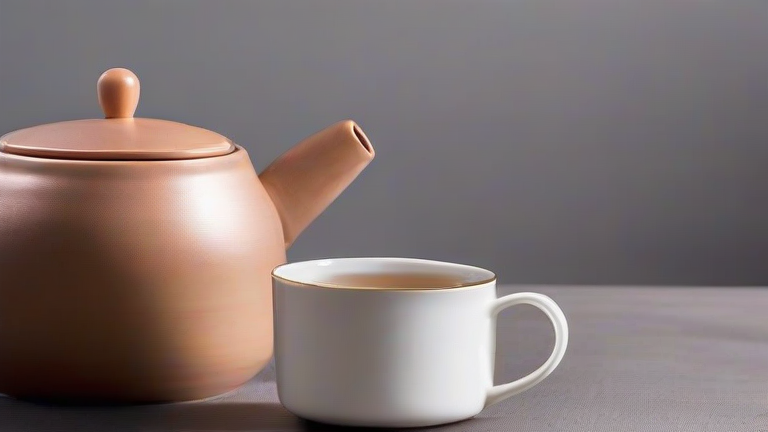
TL;DR: Porcelain teapots are the optimal choice for safe brewing because their non-porous, inert glaze prevents chemical leaching and preserves the delicate antioxidants in your tea. Choosing high-quality, lead-free porcelain ensures you maximize health benefits without risking exposure to heavy metals or unwanted flavors.
The Science of Safe Brewing
When it comes to maximizing the health benefits of tea, the vessel you use plays a critical role. Porcelain has become the gold standard among tea enthusiasts and health professionals alike due to its unique material properties. Unlike unglazed clay or certain lower-grade ceramics, high-quality porcelain is fired at extremely high temperatures, creating a dense, non-porous structure. This density is crucial for health because it means the material is chemically inert. It does not react with the acidic compounds found in most teas, such as tannins and catechins, which are the primary sources of tea’s antioxidant power.
If you want to dig deeper, check out our guide on 10 Best Mechanical Keyboards for Programmers.
Research in material science indicates that porous materials can absorb oils and flavors, potentially harboring bacteria over time if not cleaned meticulously. Porcelain, however, resists this absorption. This hygienic quality ensures that every cup you brew is free from residual contaminants. Furthermore, the stability of porcelain allows for precise temperature control. Many green teas and white teas require water temperatures between 175°F and 185°F to avoid scorching the leaves, which can destroy heat-sensitive vitamins and create a bitter taste. Porcelain retains heat effectively without the thermal shock risks associated with glass, ensuring a consistent brewing environment that preserves the nutritional integrity of the beverage.
Understanding Safety Standards
While porcelain is generally safe, not all teapots are created equal. The primary health concern in ceramic ware is the potential leaching of heavy metals, specifically lead and cadmium, from low-quality glazes. To ensure you are drinking a safe, health-promoting beverage, it is vital to purchase porcelain teapots and tea sets from reputable manufacturers that adhere to strict safety standards. Look for products that are explicitly labeled as “lead-free” and “cadmium-free.” In the United States, the FDA sets strict limits on lead migration from ceramic food-contact surfaces. Reputable brands often undergo third-party testing to verify compliance with these regulations, providing an added layer of safety assurance for your daily wellness routine.
Preserving Antioxidants and Flavor
The chemical neutrality of porcelain means it will not impart any metallic or earthy tastes to your tea. This is particularly important for delicate teas like Sencha or Jasmine, where the subtle nuance of the leaves is the primary health and sensory benefit. By using a porcelain teapot, you ensure that the full spectrum of polyphenols, L-theanine, and other bioactive compounds remains intact. These compounds are responsible for the well-documented benefits of tea, including improved cardiovascular health, reduced inflammation, and enhanced mental focus. A high-quality porcelain set, often including matching cups and a tray, not only enhances the aesthetic experience of tea drinking but also supports a mindful, stress-reducing ritual that is integral to holistic wellness.
Care and Maintenance for Longevity
To maintain the hygienic integrity of your porcelain teapot, proper care is essential. Unlike Yixing clay teapots, which benefit from being seasoned with tea oils, porcelain should be washed with mild soap and warm water after each use. Avoid using abrasive scrubbers that could scratch the glaze, as microscopic scratches can eventually harbor bacteria. Regular inspection for chips or cracks is also recommended, as damaged glaze can potentially expose the underlying clay to the beverage. By maintaining your porcelain teapot in pristine condition, you ensure that it remains a safe and effective tool for your daily health regimen, allowing you to enjoy the full therapeutic potential of your favorite teas for years to come.
FAQ
Q: Is porcelain better than glass for tea?
A: Porcelain is often preferred for its superior heat retention and lack of thermal shock risk, which helps preserve delicate antioxidants in green and white teas more effectively than glass.
Q: How do I know if my
Leave a Reply