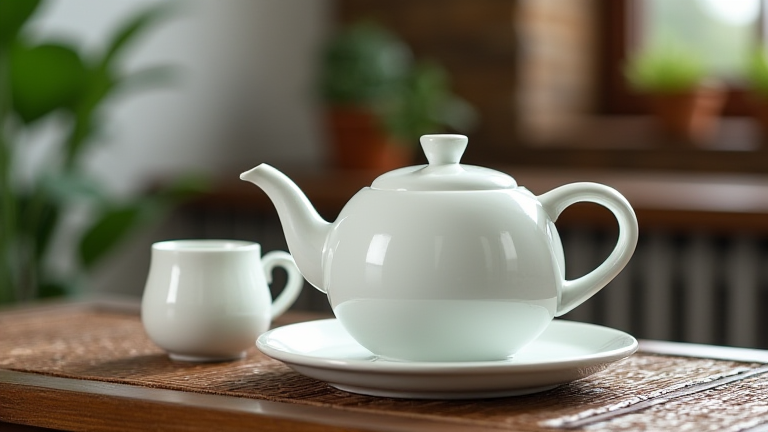
TL;DR: Porcelain teapots and sets transform a daily caffeine fix into a mindful, cultural ritual—they retain heat better than glass, enhance floral and green teas without metallic aftertastes, and their craftsmanship invites you to slow down. Choose a thin-walled gaiwan for solo sessions or a full set with cups for sharing, and you’ll instantly elevate both taste and intention.
The Art of Slowing Down
In a world obsessed with speed, the porcelain teapot is a quiet rebellion. Its smooth, vitrified surface—fired at high temperatures—doesn’t just look elegant; it actively shapes your tea’s chemistry. Unlike clay, porcelain is non-porous, meaning it won’t absorb flavors from previous brews. That makes it the perfect canvas for delicate oolongs, silver needle whites, and jasmine pearls, where a single off-note can ruin the cup. When you pour from a porcelain spout, the water flows in a controlled, gentle arc, allowing leaves to unfurl evenly. This isn’t just function—it’s a meditation on patience.
If you want to dig deeper, check out our guide on How to Clean Porcelain Teapots: Step-by-Step Guide.
Travel, Culture, and the Shared Pot
Porcelain’s history is a global story. It began in China’s Jingdezhen kilns, traveled the Silk Road, and inspired Dutch Delftware and French Limoges. Owning a set connects you to that lineage. When you host a tea gathering, you’re not just serving a beverage; you’re performing a cross-cultural ritual—the Japanese chanoyu honors the host’s attention to detail, while the British afternoon tea celebrates conviviality. A porcelain set with a matching tray and cups encourages you to pour for others, turning a solitary habit into a shared experience. For travelers, packing a lightweight porcelain gaiwan in a padded case lets you recreate a tea house in any hotel room, transforming a sterile space into a personal sanctuary.
Choosing Your Set: Form Follows Function
Not all porcelain is equal. Look for bone china (containing bone ash) for translucency and chip resistance, or hard-paste porcelain for durability. The teapot’s shape matters: a wide, low body suits green teas (cooling faster), while a tall, narrow pot is ideal for black teas (retaining heat). For personal growth, start with a gaiwan—a lidded bowl that forces you to control steeping time with your wrist, teaching you to be present. For entertaining, invest in a full set (teapot, six cups, and a waste-water bowl). Glaze finishes range from glossy celadon to matte ivory; pick one that makes you want to touch it. Remember, the spout should drip-free, and the handle should sit comfortably in your palm—these small ergonomics turn a routine into a ritual.
Care as a Mindfulness Practice
Cleaning porcelain is its own meditation. Rinse immediately with warm water—no soap, which can strip the glaze. Use a soft sponge for stubborn stains, and never put fine porcelain in the dishwasher. Drying with a cotton cloth, you’ll notice the micro-cracks from heating and cooling, each one a story. This care extends the life of your set and deepens your appreciation for the objects that hold your moments of stillness.
FAQ
Q: Can I use a porcelain teapot for all tea types?
A: Yes, but it shines with delicate teas (green, white, jasmine) because it imparts no flavor. For heavy pu-erh or smoky lapsang souchong, a clay pot is better, but porcelain won’t ruin them—just expect a cleaner, more subtle profile.
Q: How do I prevent my porcelain teapot from cracking?
A: Always warm the pot with a splash of hot water before adding boiling liquid. Avoid sudden temperature shocks (never put a cold pot on a hot
Leave a Reply