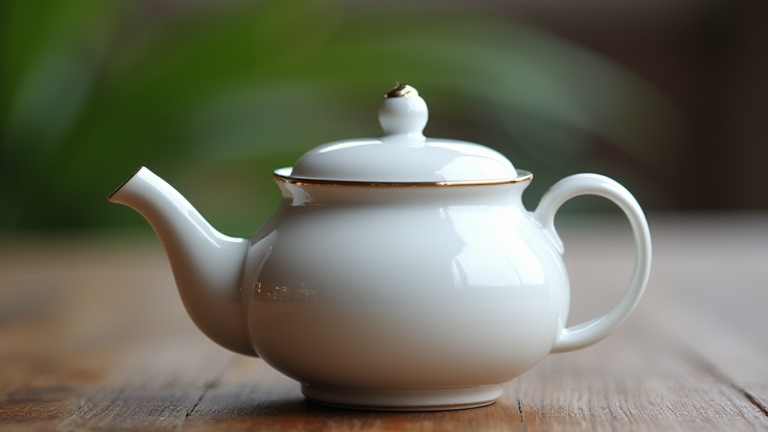
TL;DR: Choose a porcelain teapot with a smooth, unglazed interior for even heat retention and a snug-fitting lid to lock in aroma. For brewing, preheat the pot with hot water, use 1 teaspoon of loose leaf per 6 oz, and steep 3–5 minutes; wash by hand with mild soap and never scrub the glaze.
1. How to Choose the Right Porcelain Teapot
Porcelain is prized for its non-porous glaze, which doesn’t absorb flavors or odors—unlike clay. When selecting a pot, inspect the body for even thickness: thin walls heat faster (ideal for green or white teas), while thicker walls retain heat longer (best for black or oolong). Check the spout’s interior—it should be smooth and free of drips. A sharp, continuous pour without dribbling indicates a well-made spout. The lid must sit flush; a loose lid lets steam escape and cools the brew too quickly. For size, match the pot to your serving habit: 8–12 oz for solo drinkers, 16–24 oz for sharing. Avoid pots with painted interiors, as metallic pigments can leach into tea. Finally, tap the body gently—a clear ringing sound means high-fired porcelain (more durable); a dull thud suggests lower quality.
If you want to dig deeper, check out our guide on Handcrafted Porcelain Teapots: The Ultimate Guide to Eleganc.
2. Caring for Your Porcelain Teapot
Porcelain is tough but not indestructible. Always hand-wash with warm water and a drop of mild dish soap—never use abrasive sponges, steel wool, or dishwasher detergent, which can etch the glaze. Rinse immediately after each use to prevent tannin staining; if stains persist, fill the pot with warm water and a teaspoon of baking soda, let sit for 30 minutes, then rinse. Do not expose your pot to sudden temperature changes (e.g., adding boiling water to a cold pot)—this causes crazing or cracking. Dry upside down on a dish rack with the lid ajar to allow airflow. Store with the lid off to avoid musty odors. Never microwave a porcelain teapot with metallic trim (gold or platinum edges), as it can spark. For tea oils, occasional deep cleaning with a 1:1 vinegar-water solution (soak for 10 minutes) keeps the glaze glossy without harming it.
3. Brewing Perfect Tea Step by Step
Start by warming the teapot: swirl hot tap water inside, then pour it out. This prevents the first pour of boiling water from shocking the porcelain. Add loose leaf tea—use 1 teaspoon per 6 oz of water, but adjust for leaf size (rolled oolongs need more volume). For black or herbal teas, use water at 200–212°F (just off boil); for green or white, cool to 170–180°F to avoid bitterness. Pour water over the leaves, filling the pot to within ½ inch of the rim. Cover with the lid and steep: 3 minutes for black, 4–5 for oolong, 2–3 for green (do not oversteep—porcelain doesn’t mellow bitterness like clay does). When serving, pour slowly and steadily to keep the spout drip-free. If you’re not serving all the tea, decant the liquid into a separate pitcher to stop extraction; never leave leaves in the pot. For multiple infusions, reduce the second steep time by 30 seconds—porcelain releases flavors cleanly, so each steeping stays distinct.
FAQ
Q: Can I use a porcelain teapot on a stovetop or open flame?
A: No. Porcelain teapots are for brewing and serving only—never for direct heating. The glaze and body will crack from thermal shock. Always heat water separately in a kettle.
Q: How do I remove stubborn tea stains from the spout or strainer?
A: Fill the pot with warm water and 2 tablespoons of white vinegar, let soak for 1 hour, then use a soft bottle brush on the spout. For the built-in strainer
Leave a Reply