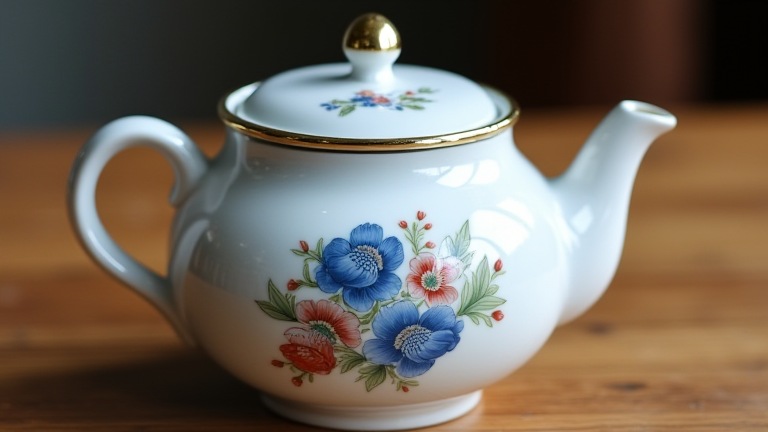
TL;DR: Handcrafted porcelain teapots are the pinnacle of tea brewing elegance, offering superior heat retention and a non-porous surface that preserves delicate flavors. This guide highlights their artisan appeal, compares them to cast iron and glass alternatives, and explains why they are a worthy investment for any tea enthusiast.
Why Porcelain Reigns Supreme in Tea Culture
Porcelain, often called “white gold,” has been treasured for centuries for its translucent beauty and functional perfection. Unlike clay, porcelain does not absorb tea oils or aromas, meaning you can switch from a floral oolong to a robust black tea without cross-contamination. The high-fired vitrification creates a smooth, glass-like surface that is easy to clean and resists staining. Moreover, its thin walls heat up quickly and cool slowly, allowing leaves to unfurl fully without scorching—a critical factor for green and white teas. Each handcrafted piece, often thrown on a wheel and glazed by master artisans, carries slight imperfections that make it unique, turning a simple brew into a ritualistic experience.
If you want to dig deeper, check out our guide on Elegant Porcelain Tea Sets: Elevate Your Daily Lifestyle.
Feature Highlights: What to Look For
When selecting a handcrafted porcelain teapot, focus on three key features. First, the spout design: a sharp, drip-free spout with a well-vented lid ensures a clean pour without messy drips. Second, the handle ergonomics—look for a looped handle that stays cool to the touch, balanced so the pot doesn’t tip when full. Third, the interior glaze: a fully glazed interior is non-negotiable, as unglazed porcelain can harbor bacteria and alter taste. Premium sets often include matching cups and a warming stand, elevating your tea service to a centerpiece. Many artisans also use underglaze painting or celadon crackle finishes, which add visual depth without compromising function.
Comparison: Porcelain vs. Cast Iron vs. Glass
Cast iron teapots are famed for heat retention but are heavy, reactive to acidic teas, and require seasoning to prevent rust. Glass teapots are beautiful for blooming teas but lose heat rapidly and can shatter with sudden temperature changes. Porcelain strikes the perfect balance: it’s lighter than iron, more durable than glass, and chemically inert. While cast iron suits hearty pu-erh and glass suits visual infusions, porcelain is the versatile all-rounder that works for everything from sencha to rooibos. Its aesthetic elegance also outperforms both—nothing matches the luminous, eggshell finish of fine porcelain on a dining table.
Your Next Step to Elegant Brewing
Ready to transform your tea ritual? Invest in a handcrafted porcelain teapot today—choose a set that speaks to your style, whether minimalist white or ornate blue-and-white motifs. Look for artisan cooperatives or reputable ceramic studios that guarantee lead-free glazes and dishwasher-safe durability (though hand-washing is recommended). Start with a 300ml pot for personal use, or a 500ml set for entertaining. Your tea will taste cleaner, your serving will look refined, and every pour will become a moment of mindfulness. Don’t settle for mass-produced—embrace the art of the handmade.
FAQ
Q: Can I use a porcelain teapot on a stovetop or in a microwave?
A: No—most handcrafted porcelain is not flameproof or microwave-safe. Thermal shock can crack the glaze. Instead, preheat the pot with warm water before brewing, and use a separate kettle for boiling water.
Q: How do I remove tea stains from a porcelain teapot?
A: Use a soft sponge with baking soda and warm water; avoid abrasive scrubbers. For stubborn stains, fill the pot with a diluted vinegar solution and let it sit for 15 minutes, then rinse thoroughly.
Q: Is a handcrafted porcelain teapot worth the higher price compared to machine-made ones?
A: Absolutely. Handcrafted pots offer thicker, more consistent walls, better spout engineering, and unique artistic
Leave a Reply