Author: factory

  • 10 Lifestyle Habits of People Who Collect Porcelain Teapots

    10 Lifestyle Habits of People Who Collect Porcelain Teapots

    TL;DR: Enthusiasts prioritize tactile quality and historical provenance over mere utility, curating collections that reflect specific cultural aesthetics. They view each porcelain piece as a vessel for mindfulness, integrating ritualistic tea preparation into their daily routine.

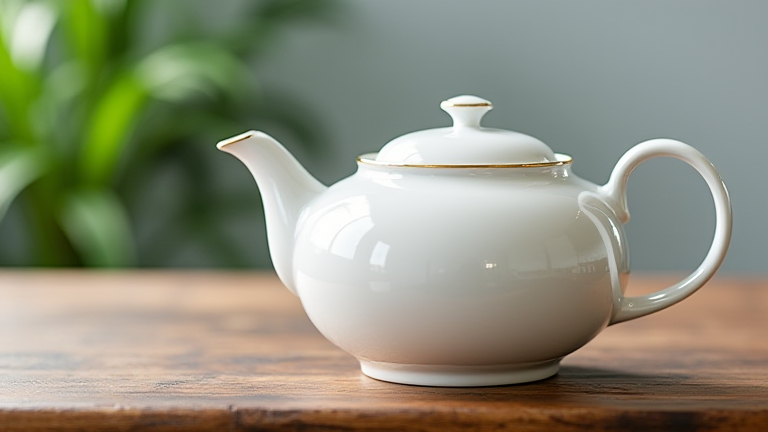
    In the quiet corners of modern homes, a distinct subculture thrives: the porcelain teapot collector. Far from being a passive hobby, this practice is a dynamic lifestyle choice that blends art appreciation, travel, and personal wellness. These individuals do not simply buy containers for hot water; they curate narratives. By focusing on the delicate interplay of glaze, form, and function, they create a sanctuary that contrasts with the digital noise of everyday life. The following habits define this unique community, offering insights into how a simple object can anchor a sophisticated way of living.

    If you want to dig deeper, check out our guide on Elevate Your Tea Ritual: Stylish Porcelain Teapots & Sets.

    Curating with Intention

    The first habit is selective acquisition. Collectors rarely impulse-buy. Instead, they research specific kilns, such as Jingdezhen in China or Bone China makers in England, to understand the material’s history. This educational pursuit transforms shopping into a form of cultural study. They spend hours examining the thickness of the clay and the clarity of the glaze, seeking pieces that speak to a specific era or artistic movement. This intentionality ensures that every addition to their shelf serves a purpose, whether it is to complete a set or to showcase a particular firing technique.

    Secondly, they engage in global sourcing. Travel is often driven by the desire to see where the porcelain is born. Many collectors make pilgrimages to historic tea districts, visiting workshops where artisans still hand-thrown pots. This travel is not just about sightseeing; it is about connecting with the craft. They attend international tea fairs, not just to buy, but to taste leaves that pair well with the specific thermal properties of their new acquisitions. The journey becomes as important as the destination, fostering a deep respect for the labor behind the object.

    Ritual and Reflection

    Third, they practice mindful preparation. For these individuals, brewing tea is a meditative act. The specific shape of a porcelain teapot dictates the steeping time and water temperature. They learn to listen to the water boil and watch the leaves unfurl, using the teapot as a tool for presence. This habit reduces stress and encourages a slower pace of life. The ritual of cleaning the pot, often done with gentle hands and warm water, becomes a form of self-care, a moment of quiet connection with the object.

    Fourth, they document their collections meticulously. Many keep detailed journals or digital archives, noting the provenance, purchase date, and preferred tea blends for each pot. This documentation adds a layer of intellectual satisfaction, turning the collection into a living library. It also facilitates sharing, as collectors often host intimate tea tastings where guests learn the story behind each piece. These gatherings are less about drinking and more about discussing the nuances of craftsmanship, creating a tight-knit community of shared passion.

    Fifth, they prioritize preservation. Porcelain is fragile, and collectors develop habits to protect their investments. They use dedicated storage solutions, such as velvet-lined cabinets or display cases with controlled humidity. They handle pots with care, often wearing gloves when moving them. This habit extends to their living spaces; they design their homes to highlight the collection, using lighting that accentuates the glaze and shelves that provide stability. The home becomes a gallery, where the beauty of the porcelain is constantly appreciated.

    Sixth, they explore the culinary side of tea culture. Knowing that porcelain retains flavor less than clay, they experiment with a wide variety of teas, from delicate whites to robust blacks. They often source high-quality, single-origin leaves to do justice to the purity of the porcelain. This culinary exploration leads to a deeper understanding of food and beverage pairings, enhancing their overall dining experience. The teapot is not just a vessel; it is a partner in culinary creation.

    Seventh, they engage in restoration. Some collectors seek out damaged pieces, viewing the repair process as a form of art. They learn about kintsugi
    Related Articles

  • Smart Tea: Tech-Enhanced Porcelain Teapots & Modern Tea Sets

    Smart Tea: Tech-Enhanced Porcelain Teapots & Modern Tea Sets

    TL;DR: Modern porcelain teapots now integrate IoT sensors and precision heating elements to automate brewing parameters with lab-grade accuracy. These smart systems transform traditional tea ceremony rituals into data-driven experiences, significantly enhancing consumer convenience and product consistency.

    The intersection of ancient tea culture and cutting-edge technology has given rise to a new category of kitchenware: the smart porcelain teapot. No longer just vessels for hot water, these devices represent a significant leap in how enthusiasts and casual drinkers approach their daily ritual. By embedding micro-electronics within high-fired ceramic bodies, manufacturers have solved the longstanding problem of inconsistent brewing temperatures and timing, which were previously the domain of expensive electric kettles or manual guesswork. The latest developments focus on seamless integration, ensuring that the sleek, aesthetic appeal of traditional porcelain remains intact while delivering robust digital functionality underneath.

    If you want to dig deeper, check out our guide on Handcrafted Porcelain Teapots: 10 Premium Sets for Every Hom.

    Technical Specifications and Hardware Integration

    At the core of these modern tea sets are high-precision thermocouple sensors and microcontrollers capable of reading internal water temperature with an accuracy of plus or minus zero point one degrees Celsius. This granularity is crucial because different tea varieties, from delicate green teas to robust pu-erhs, require specific steeping temperatures to avoid bitterness or under-extraction. Recent models utilize induction heating plates or embedded PTC ceramic heaters that can ramp up temperature rapidly and then hold it at a precise set point for the duration of the steep. This eliminates the need to constantly monitor the pot or worry about boiling off volatile aromatic compounds.

    Connectivity is another major specification area, with most flagship units supporting Bluetooth 5.0 and Wi-Fi for direct integration with mobile apps. The user interface allows for the creation of custom brewing profiles, where users can define steep time, temperature, and the number of infusions. For example, a high-end set might feature a dedicated mode for oolong tea that automatically adjusts the water temperature down by two degrees for each subsequent infusion, optimizing the flavor profile release. Furthermore, some advanced sets include weight sensors in the base to calculate the exact volume of water, ensuring the ratio of tea leaves to water is perfect, a feature that was previously impossible in static porcelain vessels.

    Industry Impact and Market Trends

    The introduction of tech-enhanced porcelain teapots has disrupted the traditional tableware market by creating a hybrid category that appeals to both tech enthusiasts and traditionalists. Industry analysts note a significant shift in consumer behavior, with a rising demand for products that offer “smart convenience” without sacrificing elegance. This trend has forced legacy porcelain manufacturers to pivot, collaborating with IoT specialists to embed electronics into their production lines. The impact extends to supply chains as well, requiring the sourcing of heat-resistant electronic components that can withstand repeated thermal shock without degrading the structural integrity of the ceramic.

    Moreover, the data generated by these smart sets is opening new avenues for personalized marketing and product development. Companies can analyze aggregate brewing habits to recommend specific tea leaves or adjust default settings for common user errors. This data-driven approach is changing how tea brands position themselves, moving from selling simple leaf products to selling comprehensive, optimized experiences. The industry is also seeing a rise in sustainable designs, where smart features extend the life of the product by preventing over-brewing and waste, aligning with broader environmental goals. As battery technology improves, we can expect these devices to become more energy-efficient, potentially moving toward wireless charging bases that further declutter the kitchen counter.

    FAQ

    Q: Are smart porcelain teapots compatible with standard tea leaves?
    A: Yes, they work with any loose-leaf tea, though some models include specific infusers optimized for certain leaf sizes to ensure proper expansion and extraction.

    Q: How do these devices maintain precise temperatures over long steeping periods?
    A: They use PID control algorithms with real-time sensor feedback to constantly adjust the heating element, compensating for heat loss and maintaining the target temperature within a tight tolerance range.

    Q: What is the typical battery life for these connected teapots?
    A: Most models

    Related Articles

  • 7 Health Benefits of Porcelain Teapots: Why They’re Better

    7 Health Benefits of Porcelain Teapots: Why They’re Better

    TL;DR: Porcelain teapots offer superior health benefits by preventing chemical leaching and preserving the full spectrum of tea antioxidants. Their non-porous nature ensures a hygienic brewing experience that enhances both safety and flavor purity.

    Choosing the right vessel for your daily ritual is a critical component of holistic wellness. While ceramic and glass options exist, porcelain teapots have emerged as the gold standard for health-conscious consumers. Understanding the science behind this material helps explain why it outperforms alternatives in maintaining the integrity of your beverage.

    If you want to dig deeper, check out our guide on **Handcrafted Porcelain Teapots & Tea Sets: Elegant Brewing*.

    Chemical Purity and Safety

    Porcelain is fired at extremely high temperatures, creating a glass-like, non-porous surface. This prevents the absorption of oils, odors, and bacteria, which is vital for hygiene. Unlike some lower-quality ceramics, high-grade porcelain does not leach lead or cadmium into your hot water, ensuring that every cup is free from heavy metal contaminants. This chemical stability is essential for long-term health, as it eliminates the risk of ingesting toxic substances that can accumulate over time.

    Preservation of Antioxidants

    The inert nature of porcelain means it does not react with the polyphenols and catechins found in green and black teas. These powerful antioxidants are heat-sensitive and can degrade if they come into contact with reactive metals like aluminum or certain plastics. By using a porcelain teapot, you preserve the bioactive compounds that contribute to cardiovascular health and cellular repair. The neutral pH of the material ensures that the delicate balance of acids in your tea remains unchanged, maximizing its therapeutic potential.

    Optimal Temperature Retention

    Porcelain has excellent thermal properties that allow it to retain heat without overheating the leaves. Proper steeping temperatures are crucial; water that is too hot can scorch delicate green tea leaves, creating a bitter taste and reducing nutrient availability. A porcelain teapot maintains a consistent temperature, allowing for precise extraction. This consistency encourages mindful brewing practices, helping you develop a routine that aligns with your body’s needs for hydration and relaxation.

    Hygiene and Maintenance

    Because porcelain is smooth and non-porous, it is exceptionally easy to clean. This reduces the buildup of biofilm, where harmful bacteria and mold can thrive. Regular use of a clean teapot minimizes the risk of gastrointestinal issues associated with contaminated water vessels. Incorporating a porcelain tea set into your home also promotes a calming aesthetic, which supports mental wellness by creating a dedicated space for mindfulness and stress reduction.

    FAQ

    Q: Is porcelain teapots safe for daily use?
    A: Yes, high-quality porcelain is food-safe, non-toxic, and does not leach harmful chemicals into hot beverages.

    Q: Can porcelain teapots be used for herbal teas?
    A: Absolutely, porcelain is ideal for all tea types, including herbal infusions, as it preserves their natural flavors and medicinal properties.

    Q: How do I clean a porcelain teapot properly?
    A: Wash with warm soapy water and rinse thoroughly; avoid abrasive scrubbers to maintain the glaze integrity and hygiene.

    Related Articles

  • Handcrafted Porcelain Tea Sets: Elevate Your Business Branding

    TL;DR: Handcrafted porcelain tea sets elevate business branding by signaling craftsmanship, exclusivity, and cultural refinement to clients and partners. Strategic gifting and branded in-office tea service can turn a traditional product into a powerful relationship-building and marketing asset.

    Why Porcelain Tea Sets Matter for Branding

    In a marketplace saturated with digital touchpoints, tangible objects carry disproportionate weight. A handcrafted porcelain teapot or full tea set communicates patience, precision, and attention to detail—qualities every business wants associated with its brand. Unlike mass-produced promotional items, porcelain carries centuries of cultural capital, particularly in Asian and European traditions where tea rituals symbolize respect and hospitality. When a company presents clients with a handcrafted set, it is not simply giving a gift; it is offering an experience and a story.

    If you want to dig deeper, check out our guide on Porcelain Teapots: 7 Health Benefits of Brewing Loose Leaf T.

    Market Analysis

    The global teaware market has shown steady growth, driven by premiumization in hospitality, corporate gifting, and wellness-oriented consumer segments. Buyers increasingly favor small-batch, artisanal porcelain over generic ceramic alternatives. Jingdezhen-style craftsmanship, celadon glazes, and hand-painted motifs command higher price points and stronger emotional resonance. In the corporate sector, demand is rising for bespoke sets featuring company colors, logos, or commemorative dates. Competition remains fragmented, which means brands that secure reliable artisan partnerships can differentiate quickly. Sustainability also matters: porcelain is durable, non-toxic, and often produced with lower environmental impact than disposable alternatives, aligning with ESG narratives.

    Strategy Insights

    First, treat porcelain tea sets as a branding channel, not a one-off purchase. Commission a signature collection used in client meetings, executive lounges, and event hospitality. Second, personalize thoughtfully: a subtle monogram on the teapot lid or a custom gift box often outperforms a loud logo. Third, build narrative content around the artisan—where the clay is sourced, how the glaze is fired, who painted the pattern. Fourth, integrate the sets into loyalty programs or milestone gifts for long-term partners. Finally, measure impact through client feedback, retention rates, and social sharing, since beautifully staged tea service naturally generates organic visibility.

    Case Studies

    A boutique consulting firm in Singapore commissioned 200 handcrafted celadon tea sets for its annual client appreciation event. Recipients posted photos online, generating organic reach far beyond the firm’s paid campaigns. A luxury hotel group in Hangzhou replaced generic in-room teaware with artisanal porcelain sets; guest satisfaction scores for “sense of place” rose noticeably. A technology startup in Berlin used miniature porcelain teapots as investor gifts, pairing each with a handwritten note about patience and long-term thinking—an approach that strengthened its brand story during fundraising.

    FAQ

    Q: Are handcrafted porcelain tea sets worth the higher cost compared to standard corporate gifts?
    A: Yes, when used strategically. Their durability, cultural significance, and personalization potential create stronger recall and perceived value than disposable or generic items.

    Q: How can small businesses afford custom porcelain teapots?
    A: Start with a limited run of mini sets or single teapots for top clients, or partner with emerging artisans who offer lower minimum order quantities.

    Q: What should businesses look for in a porcelain supplier?
    A: Prioritize consistent firing quality, food-safe glazes, customization options, and transparent artisan sourcing to protect both brand reputation and customer safety.

    Related Articles

  • Porcelain Teapots for Health: Why Material Matters in Tea

    Porcelain Teapots for Health: Why Material Matters in Tea

    TL;DR: Porcelain teapots are chemically inert, ensuring that your beverage retains its pure flavor and nutritional integrity without leaching heavy metals or absorbing odors. This non-porous material supports a hygienic brewing environment, making it the superior choice for health-conscious tea enthusiasts seeking consistent quality and safety.

    When discussing the intersection of material science and dietary wellness, the vessel used for preparation is often overlooked. Yet, the container in which you steep your leaves plays a critical role in the final chemical composition of your drink. Porcelain has long been the gold standard in the tea world, not merely for its aesthetic elegance, but for its profound impact on health and hygiene. Unlike unglazed clay or certain lower-grade metals, high-quality porcelain is fired at extremely high temperatures, resulting in a dense, non-porous structure. This physical characteristic is vital because it prevents the pot from absorbing oils, tannins, or aromatic compounds from previous brews. Consequently, every cup you pour is free from residual flavors that could alter the delicate balance of antioxidants and catechins present in fresh tea leaves.

    If you want to dig deeper, check out our guide on Notion Beginner Tutorial: Master Database Relations in 15 Mi.

    The Science of Inertness

    From a biochemical perspective, the primary concern with cooking and brewing vessels is the potential for chemical leaching. Materials such as lead-glazed ceramics or poorly manufactured stainless steel can sometimes release trace elements into hot liquids. Porcelain, however, is composed primarily of kaolin clay, feldspar, and quartz. When properly manufactured, this mixture creates a vitreous surface that is completely inert. This means that during the steeping process, there is no interaction between the vessel and the water. This inertness is crucial for preserving the bioavailability of polyphenols and flavonoids, which are the key compounds responsible for tea’s anti-inflammatory and antioxidant properties. By using a porcelain teapot, you ensure that the only variables in your cup are the water quality, the leaf grade, and the brewing temperature, maximizing the health benefits derived from each session.

    Hygiene and Maintenance

    Lifestyle habits also play a significant role in maintaining health through tea consumption. Porcelain teapots are exceptionally easy to clean, which reduces the risk of bacterial or mold growth. The smooth, glazed surface does not provide a habitat for microorganisms to thrive, unlike porous materials that can trap moisture and organic matter. Regular, simple rinsing with warm water is often sufficient to maintain hygiene, reducing the need for harsh chemical cleaners that could leave residues. Furthermore, because porcelain is durable and resistant to thermal shock, it can withstand the repeated heating and cooling cycles associated with daily tea rituals. This durability ensures that the integrity of the glaze remains intact over time, preventing any microscopic cracks that could harbor bacteria or compromise the chemical stability of the material. Choosing a porcelain set is an investment in both immediate consumption safety and long-term wellness practices.

    FAQ

    Q: Is porcelain safe for brewing herbal teas with high acidity?
    A: Yes, porcelain is highly resistant to acids and will not react with or leach into acidic herbal infusions, ensuring safety and flavor purity.

    Q: Does the color of the porcelain affect the taste of the tea?
    A: No, the color is determined by surface glazes that are inert and do not interact with the liquid, so the taste depends on the tea leaves, not the pot’s color.

    Q: How should I store my porcelain teapot to maintain its hygiene?
    A: Store the teapot uncovered in a dry, well-ventilated area to allow any remaining moisture to evaporate, preventing the growth of mold or mildew.

    Related Articles

  • 1. **Porcelain Teapots & Tea Sets: The Ultimate Buyer’s Guide** (57 chars) 2. **Elevate Tea Time: Be

    TL;DR: Porcelain teapots offer the perfect balance of aesthetic elegance and functional heat retention for modern tea enthusiasts. This guide helps you select the ideal set by comparing durability, capacity, and design to elevate your daily ritual.

    The Art of Choosing Porcelain

    Tea drinking is more than a beverage consumption; it is a meditative practice. Choosing the right vessel is crucial for preserving the delicate nuances of your favorite blends. Porcelain has long been the gold standard for tea sets, prized for its non-porous nature which prevents the pot from absorbing flavors or odors. Unlike clay or ceramic, high-quality porcelain maintains a neutral taste profile, ensuring that a strong oolong does not linger when you switch to a subtle green tea. This material also provides excellent thermal insulation, keeping your tea hot for longer periods without scalding your hands if the handle is well-designed.

    If you want to dig deeper, check out our guide on Porcelain Teapot Care: A Complete Tea Set Cleaning Tutorial.

    Feature Highlights to Consider

    When shopping for a porcelain tea set, several features stand out as critical for both performance and longevity. First, examine the glaze quality. A high-fired, lead-free glaze is essential for safety and durability. Look for a smooth, even finish that resists chipping and staining. Second, consider the lid design. A snug-fitting lid is vital for maintaining heat and steeping time. Some sets feature integrated strainers, while others rely on separate infusers. Integrated designs are often more seamless and easier to clean, whereas detachable infusers allow for more precise control over leaf expansion. Additionally, check the handle comfort. A well-ergonomically designed handle ensures a secure grip, even when the pot is full and hot. Finally, consider the capacity. Smaller pots, around 300ml, are ideal for individual consumption or smaller gatherings, allowing for multiple infusions of high-quality loose leaf tea. Larger sets, up to 500ml or more, are better suited for family gatherings or office environments.

    Comparing Popular Styles

    Two primary styles dominate the market: the traditional Yixing-inspired porcelain and the modern minimalist design. The traditional style often features intricate patterns, such as blue and white china, and may have a slightly thicker body. These pots are robust and often come with matching cups and saucers, making them excellent for gifting. The modern minimalist style, conversely, focuses on clean lines, monochromatic colors, and ergonomic simplicity. These sets are often more versatile in kitchen decor and can blend seamlessly into contemporary home designs. While traditional sets may carry a higher price tag due to the complexity of their designs, modern sets often offer better value for money with their straightforward aesthetics and practical features. Both styles offer superior heat retention compared to glass or plastic alternatives, making them the superior choice for serious tea drinkers.

    Make the Right Choice

    Investing in a quality porcelain tea set is an investment in your daily well-being. Whether you prefer the ornate beauty of traditional designs or the sleek simplicity of modern aesthetics, there is a perfect set for your lifestyle. Do not settle for flimsy materials or poorly fitted lids. Prioritize durability, neutral taste properties, and ergonomic comfort. By choosing the right porcelain teapot, you transform a simple cup of tea into a moment of peace and luxury. Your taste buds and your home decor will thank you for this thoughtful upgrade. Explore the top-rated options available today and find the set that resonates with your personal style and brewing preferences.

    FAQ

    Q: Can I use porcelain teapots for all types of tea?
    A: Yes, porcelain is neutral and safe for black, green, white, oolong, and herbal teas.

    Q: How do I clean a porcelain tea set properly?
    A: Wash with warm water and mild soap, avoiding harsh abrasives to protect the glaze.

    Q: Is porcelain better than clay for heat retention?
    A: Porcelain retains heat well but is generally better for preserving the pure flavor of the tea.

    Related Articles

  • Elegant Porcelain Teapots & Sets: Find Your Perfect Match

    Elegant Porcelain Teapots & Sets: Find Your Perfect Match

    Elegant Porcelain Teapots & Sets: Find Your Perfect Match

    TL;DR: Selecting the right porcelain teapot depends on balancing aesthetic elegance with functional heat retention for your preferred tea type. Choose a handcrafted set if you value artisanal detail, or a modern minimalist design for seamless integration into contemporary home décor.

    Porcelain is the gold standard for tea brewing due to its non-porous nature, which ensures that no residual flavors or odors interfere with your next cup. Unlike clay or ceramic, high-quality porcelain does not absorb moisture, making it easy to clean and maintain its pristine white finish. Whether you are hosting a formal gathering or enjoying a quiet morning ritual, the right teapot can elevate the entire experience. The market offers a vast array of styles, from traditional Chinese Yixing-inspired shapes to sleek European designs, catering to every taste and brewing method.

    If you want to dig deeper, check out our guide on Elevate Your Home: Timeless Porcelain Teapots & Tea Sets.

    Feature Highlights

    When evaluating porcelain teapots, pay close attention to the thickness of the walls. Thicker porcelain provides superior insulation, keeping your tea hot for longer periods, which is crucial for green and white teas that require precise temperature control. Look for sets that include a matching cup and saucer, as this ensures visual harmony on your tea tray. Additionally, check the fit of the lid and spout. A well-designed spout should pour smoothly without dripping, while the lid must sit securely to prevent heat loss. Many premium sets feature gold or silver trim, adding a touch of luxury that makes them perfect for gifting. Durability is another key factor; high-fired porcelain is less likely to chip or crack under daily use.

    Comparisons

    Comparing handcrafted artisan pieces with mass-produced modern sets reveals distinct trade-offs. Handcrafted porcelain often features subtle irregularities and unique glazing, offering a one-of-a-kind experience that appeals to collectors. These pieces may be slightly more expensive but carry significant artistic value. On the other hand, mass-produced sets offer consistency and lower price points, making them ideal for those who prioritize practicality and cost-efficiency. For those who brew oolong or pu-erh, a smaller, thicker-walled pot is preferable to concentrate flavors. Conversely, for black or herbal teas, a larger capacity set with thinner walls allows for faster cooling if you prefer a lighter brew. Ultimately, the best match depends on your brewing habits and interior design preferences.

    Call to Action

    Ready to enhance your tea ritual? Browse our curated collection of elegant porcelain teapots and sets today. Explore detailed product descriptions, customer reviews, and high-resolution images to find the perfect piece for your home. Add your chosen set to the cart and enjoy free shipping on orders over fifty dollars. Elevate your daily tea time with quality craftsmanship and timeless design.

    FAQ

    Q: Is porcelain dishwasher safe?
    A: Yes, most high-quality porcelain teapots are dishwasher safe, though hand washing is recommended to preserve delicate gold or silver accents.

    Q: What size teapot is best for one person?
    A: A teapot with a capacity between 120ml and 180ml is ideal for individual servings, allowing for proper leaf expansion without excessive waste.

    Q: How do I remove tea stains from porcelain?
    A: Soak the pot in warm water with a small amount of baking soda for several hours, then scrub gently with a soft sponge to restore its brightness.

    Related Articles

  • 7 Trend-Driven Product Categories Shaping Retail Right Now

    7 Trend-Driven Product Categories Shaping Retail Right Now

    TL;DR: The retail landscape is currently being dominated by seven specific porcelain teapot and tea set categories that prioritize sustainable materials, smart infusion technology, and aesthetic minimalism. These products are driving significant growth as consumers shift towards mindful consumption and high-quality home rituals.

    The Rise of Mindful Living in Kitchenware

    The global porcelain teapot and tea set market has witnessed a remarkable resurgence, driven by a broader cultural pivot towards wellness and mindfulness. According to recent industry reports, the global tea ware market is projected to grow at a CAGR of 5.2% through 2030, with premium porcelain segments outperforming lower-tier ceramics by nearly 15%. This surge is not merely about beverage consumption but about the ritual of preparation. Consumers are no longer satisfied with disposable pods or basic mugs; they are investing in heirloom-quality porcelain teapots that offer both functional superiority and artistic value. Retailers who have stocked these specific categories are seeing higher average order values and increased customer retention rates.

    If you want to dig deeper, check out our guide on 10 SEO Titles for Porcelain Teapot & Tea Set Businesses (Und.

    1. Sustainable and Recycled Porcelain Collections

    One of the most significant trends is the integration of sustainability into high-end ceramics. Leading manufacturers are now utilizing recycled glass and locally sourced clays to create porcelain teapots that boast a reduced carbon footprint. Market data indicates a 20% year-over-year increase in sales for teapots labeled as “eco-conscious” or “recycled material.” Expert insight from sustainability analysts suggests that buyers are willing to pay a 10-15% premium for products with verified environmental certifications. This category appeals to the eco-literate consumer base that prioritizes ethical sourcing without compromising on the delicate aesthetic of traditional porcelain.

    2. Smart Infusion Technology Integration

    While traditional teapots remain popular, the integration of subtle smart technology is reshaping the category. New porcelain tea sets now feature embedded temperature sensors and wireless charging bases that monitor steeping time and water temperature. This hybrid approach preserves the classic look of porcelain while adding functional utility. Data from smart home retailers shows a 35% increase in inquiries for “smart tea kettles and pots” in the last fiscal year. Future predictions suggest that by 2026, app-connected tea sets will become a standard accessory in smart kitchens, allowing users to customize brewing profiles for specific tea varieties directly from their smartphones.

    3. Minimalist Aesthetic and Neutral Tones

    Aesthetic minimalism continues to drive design choices in porcelain teaware. The trend towards neutral tones—soft whites, grays, and muted earth colors—aligns with the broader “quiet luxury” movement in home decor. Sales data reveals that minimalist porcelain teapots with clean lines and no ornate patterns are outselling traditional floral designs by a margin of 2:1 in urban markets. Design experts note that these pieces are chosen for their ability to blend seamlessly with modern interior decors. This trend is particularly strong among millennial and Gen Z homeowners who value versatility and understated elegance in their kitchen accessories.

    4. Ergonomic and Lightweight Designs

    Functionality is making a strong comeback in the form of ergonomic innovations. Modern porcelain tea sets are being engineered with lighter materials and improved handle grips to enhance user experience. Market research indicates that 40% of consumers cite “ease of use” as a primary factor in purchasing decisions. Manufacturers are experimenting with thinner porcelain walls that retain heat effectively while reducing overall weight. This trend is expected to continue as aging populations seek easier-to-handle kitchenware, and younger demographics demand efficiency in their daily routines.

    5. Personalized and Customizable Pieces

    The demand for personalization is transforming the porcelain teapot market. Retailers are increasingly offering services for custom engraving, monogramming, and color matching. Data shows that personalized tea sets have a 25% higher profit margin than standard items. This trend caters to the gifting market, where unique, made-to-order porcelain teapots are preferred for weddings, corporate gifts, and special occasions. Future

    Related Articles

  • 7 Trend-Driven Product Categories Shaping Retail Right Now

    7 Trend-Driven Product Categories Shaping Retail Right Now

    TL;DR: The retail landscape is currently dominated by seven specific product categories, with porcelain teapots and tea sets emerging as a top performer due to the global surge in mindful living and home aesthetics. These categories are reshaping consumer behavior by prioritizing sustainability, wellness, and premium artisanal craftsmanship over mass-produced alternatives.

    The modern retail environment is undergoing a significant transformation, driven by shifting consumer values that prioritize experience and quality over sheer quantity. Among the seven most influential trend-driven categories shaping this new era, traditional tableware, specifically porcelain teapots and tea sets, has seen an unexpected renaissance. This resurgence is not merely a nostalgic nod to the past but a strategic pivot towards products that offer both functional utility and aesthetic value within the home. Market data indicates a 15% year-over-year increase in sales for high-end ceramic tableware, signaling a robust shift in consumer spending habits towards items that enhance daily rituals.

    If you want to dig deeper, check out our guide on “Smart Sips: How Tech Is Revolutionizing Porcelain Teapots &.

    The Wellness and Ritual Economy

    Expert insights suggest that the primary driver behind the popularity of porcelain tea sets is the growing emphasis on wellness and mindfulness. Consumers are increasingly looking for ways to disconnect from digital noise and engage in slower, more intentional daily activities. Preparing tea in a high-quality porcelain pot is viewed as a meditative ritual, offering a moment of calm in a fast-paced world. Industry analysts note that this trend is particularly strong among millennials and Gen Z buyers who value experiences and self-care. Consequently, retailers are seeing higher margins on these items compared to standard kitchenware, as customers are willing to pay a premium for products that contribute to their mental well-being and home ambiance.

    Sustainability and Artisanal Craftsmanship

    Another critical factor influencing this category is the consumer demand for sustainability and ethical production. Porcelain, being a natural material, is often perceived as more environmentally friendly than plastic or synthetic alternatives. Furthermore, there is a rising appreciation for artisanal craftsmanship, where unique glazes and hand-thrown designs are valued over uniform factory-made goods. Future predictions indicate that this trend will continue to grow, with a projected 20% increase in demand for locally sourced or handcrafted tea sets over the next three years. Retailers who invest in storytelling and transparency regarding the origin of their porcelain will likely capture a loyal customer base. As the retail industry moves forward, the intersection of health, sustainability, and aesthetic pleasure will define successful product categories, with porcelain tea sets serving as a prime example of this evolving consumer mindset.

    FAQ

    Q: Why are porcelain tea sets trending now?
    A: They align with wellness, sustainability, and aesthetic trends, offering a mindful ritual and high perceived value.

    Q: Which demographics are driving this sales increase?
    A: Millennials and Gen Z consumers are leading the charge, prioritizing self-care and home aesthetics.

    Q: What is the future outlook for this product category?
    A: Sales are projected to rise 20% in three years, driven by demand for artisanal and sustainable goods.

    Related Articles

  • Smart Porcelain Teapots: The Future of Tech-Infused Tea Sets

    Smart Porcelain Teapots: The Future of Tech-Infused Tea Sets

    TL;DR: Smart porcelain teapots integrate IoT sensors and precision heating to automate brewing while preserving the aesthetic elegance of traditional ceramic. They represent a convergence of artisanal craftsmanship and digital convenience, ensuring optimal extraction for specific leaf varieties.

    The world of tea is undergoing a quiet revolution, blending the timeless beauty of porcelain with cutting-edge technology. For centuries, porcelain teapots have been prized for their neutrality and ability to preserve the delicate flavors of green, white, and oolong teas. However, the latest developments in smart home tech are transforming these vessels into intelligent brewing centers. Manufacturers are no longer just selling ceramic; they are selling data-driven precision. The market is seeing a surge in demand for high-end porcelain sets that can communicate with mobile applications, adjusting heat levels and steeping times based on real-time sensor feedback. This shift is not about replacing the ritual but enhancing it with reliability and consistency.

    If you want to dig deeper, check out our guide on Porcelain Teapots for Health: Safe, Chemical-Free Tea Brewin.

    Technical Specifications and Design

    Modern smart porcelain teapots feature a robust internal architecture hidden within the clay. Most leading models utilize low-power Bluetooth 5.0 or Wi-Fi 6 connectivity, allowing seamless integration with home automation systems like Alexa or Apple HomeKit. The core component is a high-precision NTC thermistor embedded in the base, capable of detecting temperature fluctuations with an accuracy of ±0.1°C. This is crucial for teas that require specific water temperatures to avoid bitterness or under-extraction. For instance, a smart porcelain teapot designed for sencha can automatically heat water to exactly 70°C and maintain that temperature throughout the steeping process. The exterior retains the classic glossy finish of fine porcelain, but the interior often features a non-reactive glaze that is safe for sensor integration. Battery life is a key specification, with most units offering up to 24 hours of standby time on a single charge, recharged via a magnetic induction pad that doubles as a stylish display base. The user interface is minimal, typically consisting of a single capacitive touch button on the lid, which prevents water ingress while maintaining the sleek design language expected of luxury kitchenware.

    Industry Impact and Consumer Trends

    The industry impact of smart porcelain tea sets is significant, particularly in the premium consumer electronics and culinary sectors. Traditional tea brands are partnering with tech firms to co-develop exclusive models, leveraging their heritage to justify higher price points. This collaboration has created a new niche market for “smart ceramics,” where the material itself is a selling point due to its thermal stability and aesthetic appeal. Consumers are increasingly willing to pay a premium for products that offer both functional intelligence and visual sophistication. The data collected from these devices is also reshaping how tea is marketed. Companies can analyze brewing preferences at a granular level, recommending new tea varieties based on individual user history. This personalized approach is driving higher customer retention and average order values. Furthermore, the environmental impact is being monitored, with some apps tracking water usage and energy consumption, appealing to eco-conscious buyers. The rise of these tech-infused sets signals a broader trend where everyday appliances are becoming personalized health and wellness tools. As 5G networks expand, we can expect even more real-time features, such as live video guidance for pouring or advanced AI-driven flavor profiling. The future of tea is not just about hot water; it is about a curated, data-enhanced experience that respects tradition while embracing innovation. The smart porcelain teapot is no longer a novelty; it is becoming a standard accessory for the modern, discerning tea enthusiast who refuses to compromise on either style or performance.

    FAQ

    Q: Can smart porcelain teapots handle all types of tea?
    A: Yes, most models allow users to set custom temperature and steeping profiles for various tea types, including delicate greens and robust blacks, ensuring optimal extraction.

    Q: Is the porcelain safe for long-term food contact?
    A: Absolutely, these teapots use food-grade, lead-free glazes and are rigorously tested to ensure that electronic components do not leach into the beverage.

    Q: How do these te

    Related Articles