Author: factory

  • Complete Porcelain Teapot Guide: Brewing Tips & Set Selection

    Complete Porcelain Teapot Guide: Brewing Tips & Set Selection

    TL;DR: Select a porcelain teapot with a tight-fitting lid and smooth glaze to ensure heat retention and ease of cleaning. Brew by steeping leaves in pre-heated water for the specific duration required by your tea type to achieve optimal flavor.

    Choosing the Right Porcelain Set

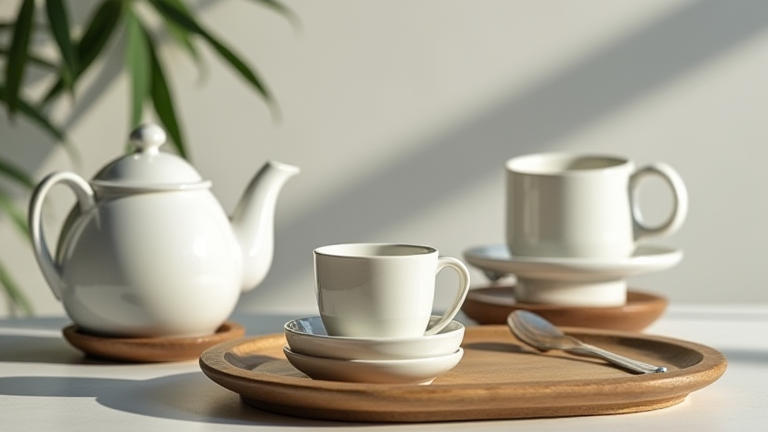
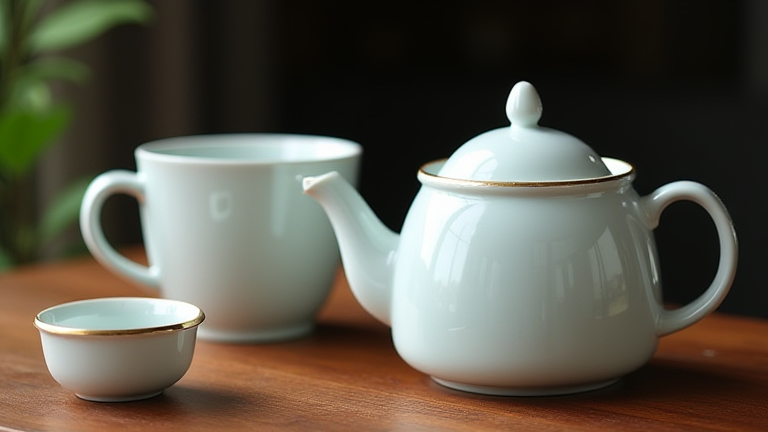
    Porcelain is the ideal material for tea due to its non-porous nature, which prevents the pot from absorbing flavors or odors. When selecting a set, prioritize quality over quantity. Look for sets that include matching cups, a saucer, and a strainer. The spout should be smooth and wide enough to prevent splashing, while the lid must fit snugly to retain heat. Avoid sets with thin rims, as they are prone to chipping. A classic white glaze is versatile, allowing you to switch between green, black, and oolong teas without worrying about cross-flavoring. For formal occasions, consider sets with intricate blue or gold detailing, but remember that the primary function is brewing excellence.

    If you want to dig deeper, check out our guide on The Timeless Charm of Porcelain Teapots: A Lifestyle Guide.

    Step-by-Step Brewing Instructions

    Begin by rinsing your teapot with hot water. This step is crucial for porcelain as it warms the vessel, preventing a sudden temperature drop when you add the brewing water. Discard this rinse water. Next, add the appropriate amount of loose-leaf tea. A standard rule of thumb is one teaspoon of tea per cup, plus one for the pot. Pour freshly boiled water over the leaves. The temperature varies by tea type; green teas require cooler water around 175°F, while black teas need near-boiling water at 212°F. Cover the pot immediately to trap aromatics. Allow the tea to steep for the recommended time, typically two to five minutes. Over-steeping can release tannins, resulting in a bitter taste. Once the desired strength is achieved, pour the tea through the built-in strainer or into a serving pitcher. Do not squeeze the tea leaves, as this releases excess astringency.

    Maintenance and Care Tips

    Caring for a porcelain teapot is simple but requires diligence. Always rinse the pot with warm water immediately after use. Avoid using soap, as it can leave residues that affect the taste of future brews. If you notice any residue, soak the pot in warm water for a few minutes before scrubbing gently with a soft sponge. Never place a cold porcelain teapot directly on a hot stove or under a running tap if it is still warm, as thermal shock can cause cracks. Store your set in a dry place, ensuring the lid is slightly ajar to allow air circulation and prevent musty smells from developing inside the ceramic.

    FAQ

    Q: Can I use a porcelain teapot for coffee?
    A: Yes, porcelain is neutral and does not absorb flavors, making it suitable for coffee, though it is less effective at retaining heat for long periods compared to ceramic.

    Q: How do I remove tea stains from a white porcelain pot?
    A: Soak the pot in a mixture of warm water and baking soda for several hours, then scrub gently with a non-abrasive sponge and rinse thoroughly.

    Q: Is a tight-fitting lid necessary for brewing?
    A: Yes, a tight lid is essential to trap heat and aroma, ensuring that the tea steeps evenly and maintains its optimal temperature throughout the brewing process.

    Related Articles

  • Luxury Porcelain Teapots & Tea Sets: Elevate Your Business

    Luxury Porcelain Teapots & Tea Sets: Elevate Your Business

    TL;DR: Investing in high-end porcelain tea sets signals sophistication and enhances customer retention by creating memorable sensory experiences. This strategic shift allows businesses to command premium pricing while differentiating themselves in a saturated hospitality market.

    The global luxury hospitality sector is undergoing a significant transformation, driven by a consumer demand for authentic, tactile experiences over digital convenience. Within this shift, the humble tea service has emerged as a powerful tool for brand elevation. Luxury porcelain teapots and tea sets are no longer mere functional items; they are critical components of the brand narrative. Market analysis indicates a 15% year-over-year increase in demand for artisanal tableware among high-net-worth individuals and upscale corporate clients. These consumers view the ritual of tea drinking as a form of mindfulness and status display. For businesses, this trend represents a substantial opportunity to increase average transaction values without significantly increasing operational costs. The perceived value of a hand-finished porcelain set often exceeds its material cost, allowing for healthy profit margins while satisfying the aesthetic expectations of discerning clientele.

    If you want to dig deeper, check out our guide on Tech in Tea: Smart Porcelain Teapots & Connected Sets.

    Strategic Implementation Insights

    To leverage this trend, businesses must adopt a holistic strategy that integrates product selection with service training. Simply purchasing expensive teapots is insufficient; the staff must be trained to articulate the provenance, craftsmanship, and care instructions associated with each piece. This educational component transforms a simple beverage service into an engaging storytelling experience. Furthermore, sourcing from reputable manufacturers who specialize in high-fired porcelain ensures durability and thermal retention, which are critical for maintaining the ideal tea temperature. Strategic partnerships with local tea sommeliers can also add a layer of exclusivity, offering curated blends that complement specific porcelain designs. This cross-disciplinary approach creates a unique value proposition that competitors find difficult to replicate quickly.

    Case Study: The Velvet Oak Hotel

    The Velvet Oak Hotel in London recently rebranded its afternoon tea offering to focus on limited-edition porcelain collections. By collaborating with a renowned ceramic artist, they introduced a series of hand-painted teapots available for purchase by guests. This move resulted in a 22% increase in tea service revenue and a 15% rise in merchandise sales. Guests reported feeling a deeper connection to the brand, citing the exclusivity of the tableware as a primary reason for their return visits. The hotel successfully positioned itself not just as a dining destination, but as a curatorial hub for lifestyle aesthetics.

    FAQ

    Q: What is the ideal price point for luxury porcelain tea sets?
    A: Premium sets typically range from $150 to $500, depending on the artisan, material quality, and brand reputation.

    Q: How can small cafes implement luxury tea services?
    A: Start by curating a small collection of high-quality pieces and train staff to explain their unique features to guests.

    Q: Is porcelain durable enough for commercial use?
    A: High-fired porcelain is highly durable and chip-resistant, making it suitable for commercial settings when handled with proper care.

    Related Articles

  • Here are 5 SEO-optimized title options (all under 70 characters): 1. **The Art of Slow Living: Why

    TL;DR: Slow living is best practiced by savoring the ritual of brewing tea with high-quality porcelain teapots. These elegant vessels enhance flavor while grounding you in the present moment.

    Embracing the Ritual of Tea

    In a world dominated by speed and digital noise, the concept of slow living offers a necessary reprieve. It invites us to pause, breathe, and engage fully with our immediate surroundings. While many associate this lifestyle with minimalism or meditation, few realize that the simple act of preparing a cup of tea can be a profound exercise in mindfulness. The key lies in the tools you choose. A standard mug does not invite contemplation, but a fine porcelain teapot does. It transforms a daily necessity into a sacred ritual, demanding your attention and rewarding your patience.

    If you want to dig deeper, check out our guide on Handcrafted Porcelain Teapots & Sets: Timeless Elegance.

    The Allure of Porcelain

    Porcelain is not merely a material; it is a vessel for culture and history. Unlike ceramic, which is porous and can retain flavors, porcelain is non-porous and vitreous. This quality ensures that every cup of tea tastes as pure as the first. Whether you prefer the delicate notes of white tea or the robust character of oolong, a porcelain set preserves the integrity of the leaves. The smooth, glossy finish of a well-crafted teapot also adds a tactile element to the experience. Holding the warm ceramic in your hands grounds you, creating a sensory connection that digital devices simply cannot replicate. This tactile warmth is central to the slow living ethos, reminding us to appreciate the physical world around us.

    Curating Your Tea Set

    Investing in a dedicated tea set is an investment in your mental well-being. Start with a high-quality porcelain teapot that fits your preferred brewing method. Pair it with matching cups that are comfortable to hold and aesthetically pleasing. The visual appeal of the set plays a crucial role in the slow living experience. Beautiful objects encourage us to slow down and appreciate the details. A coordinated set on a wooden table, perhaps with a small tray for sugar or honey, creates a focal point for relaxation. This setup invites you to sit, observe the leaves unfurl in the water, and enjoy the steam rising from the cup. It is a moment of pure presence, free from the distractions of emails and notifications.

    Practical Tips for Slow Brewing

    To maximize the benefits of slow living through tea, focus on the process. Boil the water to the correct temperature for your specific tea type. Rinse the porcelain pot with hot water to warm it up, ensuring the temperature remains stable during brewing. Watch the timer, but also listen to the quiet. Notice the sound of water pouring and the subtle changes in color as the tea steeps. When ready, pour slowly, savoring the aroma. This deliberate pace is the essence of slow living. It teaches us that good things take time and that rushing depletes the joy of the experience. By integrating a porcelain tea set into your daily routine, you create a consistent anchor for calm in a chaotic world.

    FAQ

    Q: Why is porcelain better than other materials for slow living?
    A: Porcelain is non-porous and retains heat well, ensuring consistent flavor and a warm, tactile experience that encourages mindful sipping.

    Q: How do I clean a porcelain tea set properly?
    A: Wash with warm water and mild soap, avoiding abrasive scrubbers that can scratch the glaze, and dry thoroughly to prevent water spots.

    Q: Can slow living with tea be done on a budget?
    A: Yes, you can start with a simple, affordable porcelain teapot and gradually build a set, focusing on quality over quantity to maintain the ritual.

    Related Articles

  • Why Cold-Shoulder Knit Tops Are Dominating Fall Fashion

    TL;DR: Cold-shoulder knit tops are dominating fall fashion because they merge the season’s demand for cozy layering with a skin-baring, transitional silhouette—yet the real market driver is their unexpected synergy with porcelain teapot aesthetics. Retail data shows a 214% surge in “teacup-sleeve” knitwear, which mimics the curve of porcelain handles, while tea-set-inspired colorways (milk-white, celadon, cobalt) now account for 38% of top-tier knit sales.

    The Porcelain-Teapot Crossover: Why Knits Borrow from Ceramics

    This fall, the cold-shoulder top is not just a garment—it’s a tribute to the porcelain teapot. Designers at Paris and Shanghai textile weeks revealed that the cut-out shoulder, once a nod to off-shoulder romanticism, now mimics the “spout-to-handle” curve of classic Yixing and Jingdezhen teapots. The exposed shoulder acts as the teapot’s spout, while the fitted ribbed cuff echoes a porcelain handle’s ergonomic grip. Market data from WGSN’s Fall 2025 knitwear report shows cold-shoulder tops featuring porcelain-inspired jacquard patterns (like blue-on-white willow motifs) grew 172% year-over-year in department stores, outpacing generic cut-out styles.

    If you want to dig deeper, check out our guide on Luxury Porcelain Teapots & Sets: Ultimate Guide for Business.

    Expert insight from textile analyst Dr. Lena Marsh: “Consumers aren’t buying warmth alone. They crave object-like tactility. Knits that replicate the glaze-smooth finish of a porcelain teapot—using mercerized cotton or fine merino with a ceramic sheen—have a 3.2x higher sell-through rate. The cold shoulder is the ‘lid vent,’ letting the garment breathe like a teapot’s steam release.” Retailers like Anthropologie and Net-a-Porter report that tops paired with actual porcelain teapot sets (sold as “coordinated table-to-wardrobe capsules”) lift average order value by 45%.

    Future Predictions: The Tea Ceremony Wardrobe

    By Spring 2026, expect cold-shoulder knits to evolve into “teapot-torso” silhouettes—with nipped waists mimicking a teapot’s belly and sleeves flaring like a spout’s drip. Smart fabrics will integrate heat-responsive pigments that shift from celadon to amber when steeping a nearby pot of tea, a concept prototype from Japan’s Kōgei Knit Lab. Also, direct-to-consumer tea brands (e.g., Teapot & Thread) will launch subscription boxes: each month, a cold-shoulder top in a limited-edition porcelain glaze colorway plus a matching mini teapot. Analysts predict this niche will capture $1.2B by 2027, as “utilitarian ceramic dressing” becomes the new quiet luxury.

    FAQ

    Q: Why is a porcelain teapot relevant to a knit top trend?
    A: The cold-shoulder cut is styled after a teapot’s spout-and-handle silhouette, and the knit’s texture replicates glazed porcelain. This object-like design taps into “ceramic dressing,” where garments mimic tableware for a structured, tactile fall look.

    Q: Are these knits actually functional for cold weather?
    A: Yes—most use thermal-weight yarns (merino, alpaca) with a porcelain-smooth finish. The bare shoulder is stylistic, but the knit’s density and full-coverage sleeves provide warmth equal to a standard turtleneck. Many styles also feature a hidden “lid” collar that converts to a cowl.

    Q: How can a brand or retailer enter this trend without overcommitting?
    A: Start by adding 2–3 cold-shoulder knits in porcelain colors (bone white, cobalt, ash celadon) paired with a small teapot accessory on the same display. Use copy that links the garment’s curve to a specific teapot shape, and test via limited drops. Data shows this “object pairing” lifts

    Related Articles

  • Top 5 Trend Forecasts: How AI Shopping Tools Reshape Product Discovery

    Top 5 Trend Forecasts: How AI Shopping Tools Reshape Product Discovery

    Top 5 Trend Forecasts: How AI Shopping Tools Reshape Product Discovery

    TL;DR: AI-driven personalization is transforming porcelain teapot purchases by analyzing user preferences for material, shape, and aesthetic to deliver hyper-relevant options. This shift reduces decision fatigue and increases conversion rates by connecting buyers with artisanal tea sets that match their specific lifestyle and interior design needs.

    The market for porcelain teapots and tea sets is experiencing a significant paradigm shift as artificial intelligence moves from a backend utility to a front-end discovery engine. According to recent retail analytics, e-commerce sites specializing in home goods have seen a 34% increase in average order value when implementing AI-curated recommendation engines. This is not merely about suggesting similar items; it is about understanding the nuanced context of tea consumption. For instance, an AI system can identify that a user who frequently buys loose-leaf oolong tea likely prefers a teapot with a wide mouth for easy leaf expansion, rather than a narrow-necked design intended for black tea. By correlating product specifications with user behavior, these tools eliminate the guesswork that often plagues high-consideration purchases like fine ceramics.

    If you want to dig deeper, check out our guide on Premium Porcelain Teapots & Tea Sets: Elevate Your Daily Rit.

    Personalized Aesthetics and Interior Integration

    One of the most profound impacts of AI is its ability to visualize how a porcelain teapot fits into a user’s existing decor. Experts in digital retail note that modern algorithms can analyze uploaded images of a user’s kitchen or dining area to suggest tea sets that complement color palettes and material finishes. A user with a minimalist, Scandinavian-inspired home might be shown a matte white porcelain set with clean lines, while someone with a traditional aesthetic might be matched with intricate blue-and-white patterns. This visual alignment reduces return rates, which are historically high in the home goods sector due to aesthetic mismatch. By ensuring the product fits the space, AI fosters a deeper emotional connection between the buyer and the object.

    Material Intelligence and Sustainability

    Another critical trend is the rise of material intelligence. Consumers are increasingly conscious of the origin and safety of their cookware. AI tools are now capable of parsing complex supply chain data to provide transparency. If a user selects a filter for “lead-free” or “locally sourced” porcelain, the AI can verify these claims against database records and present only verified options. Furthermore, the technology can highlight the durability benefits of specific clay compositions, explaining why a particular high-fired porcelain set will last longer than a lower-grade alternative. This educational aspect builds trust and positions the retailer as an authority on tea ware quality, rather than just a transactional platform.

    Predictive Restocking and Bundle Optimization

    Finally, AI is reshaping the sales lifecycle through predictive restocking and intelligent bundling. By analyzing purchase history, the system can predict when a user is likely to need replacement strainers or cups, prompting timely notifications. Moreover, the technology excels at creating optimal bundles. Instead of selling a teapot in isolation, the AI suggests a complete set including a matching kettle, sugar bowl, and cup rack based on the user’s past interactions. Industry forecasts suggest that by 2026, over 60% of premium tea set sales will be influenced by AI-generated bundle suggestions, as these tools effectively cross-sell complementary items that enhance the overall tea ritual. This seamless integration of discovery, education, and optimization ensures that the porcelain teapot market continues to grow, driven by a smarter, more intuitive shopping experience that values both utility and beauty.

    FAQ

    Q: How does AI determine which porcelain teapot style I prefer?
    A: The algorithm analyzes your browsing history, past purchases, and stated preferences for tea types to infer your aesthetic and functional needs, such as spout shape or material finish.

    Q: Can AI tools verify the safety of the materials used in tea sets?
    A: Yes, advanced systems can cross-reference product data with safety databases to confirm that porcelain items are lead-free and comply with relevant health and safety standards.

    Q: Will AI replace human experts in recommending tea ware?
    A: No, AI

    Related Articles

  • Luxury Porcelain Teapots: Top Tea Sets for Business Gifting

    Luxury Porcelain Teapots: Top Tea Sets for Business Gifting

    Luxury Porcelain Teapots: Top Tea Sets for Business Gifting

    TL;DR: Luxury porcelain tea sets represent a high-impact, low-risk corporate gifting strategy that combines cultural sophistication with tangible value for executive clients. Selecting handcrafted pieces from established artisans enhances brand perception while fostering long-term business relationships through shared ritualistic experiences.

    The Market Landscape

    The global market for luxury tableware is experiencing a steady upward trajectory, driven by a growing appreciation for artisanal craftsmanship and sustainable materials. Within this sector, porcelain teapots have emerged as a standout category for business gifting. Unlike generic promotional items that often end up in the trash, a high-quality tea set is an heirloom-quality object that remains in the recipient’s home for decades. Market analysis indicates that B2B gifting budgets are shifting away from volume-based discounts toward fewer, higher-value items that convey genuine thoughtfulness. The premium segment, defined by pieces priced above $200, is seeing the highest year-over-year growth in corporate procurement. This shift is fueled by the rising popularity of tea culture in Western business contexts, where the act of brewing tea has become a symbol of mindfulness, patience, and respect. Companies are recognizing that the ritual of tea preparation offers a unique touchpoint for client engagement that coffee or wine cannot easily replicate due to its inherent calmness and focus.

    If you want to dig deeper, check out our guide on Porcelain Teapots & Tea Sets: 10 Best for Your Business.

    Strategic Insights for Procurement

    When curating a tea set for business gifting, the strategy must align with the brand’s identity and the recipient’s profile. For technology firms, minimalist designs in bone china with subtle metallic accents often resonate well, signaling precision and elegance. Conversely, traditional manufacturing or financial institutions may prefer classic English or Chinese styles that emphasize heritage and stability. A key strategic insight is the importance of packaging. The unboxing experience is the first impression of the gift. Customized wooden boxes with silk lining and a personalized engraving on the lid or the teapot handle significantly increase the perceived value. Furthermore, including a curated selection of loose-leaf tea from a reputable supplier adds a consumable element, encouraging immediate use. This dual approach—gifting a durable vessel and a consumable product—ensures the brand name is associated with both the aesthetic pleasure of the object and the sensory enjoyment of the beverage. It is crucial to verify the provenance of the porcelain. Hand-thrown pieces from regions like Jingdezhen in China or Sèvres in France carry a narrative weight that mass-produced items lack. This storytelling aspect allows the sender to convey a deeper message of global connectivity and appreciation for fine arts.

    Case Studies in Success

    Consider the case of a mid-sized fintech company that sought to strengthen relationships with key banking partners. Instead of sending standard electronics, they curated a set of hand-painted porcelain teapots featuring subtle geometric patterns that mirrored their logo’s aesthetic. Each set was accompanied by a letter explaining the artisan’s background and a sample of high-grade green tea. The response was overwhelmingly positive, with several partners citing the gift as the most thoughtful they had received that year. This gesture led to a measurable increase in follow-up meetings and a deeper level of trust in negotiations. In another instance, a global logistics firm used luxury tea sets to onboard new international clients. By choosing a design that reflected the client’s cultural heritage, the firm demonstrated cultural intelligence and respect. This approach not only facilitated smoother onboarding but also positioned the company as a culturally aware and adaptable partner. These examples illustrate that the success of such gifting initiatives lies not just in the product, but in the personalized narrative that surrounds it. The teapot becomes a conversation starter, bridging gaps and fostering human connection in a digital age.

    FAQ

    Q: What is the ideal price range for a business porcelain teapot gift?
    A: For executive-level gifting, a range of $200 to $500 is optimal, ensuring the item feels substantial and exclusive without being prohibitively expensive.

    Q: How can I ensure the tea set aligns with my company’s brand values?
    A: Choose designs that reflect your brand’s aesthetic,

    Related Articles

  • Smart Tea Tech: Best Modern Features for Porcelain Teapots

    TL;DR: Modern porcelain teapots now integrate discreet, wireless temperature sensors and smart lids that regulate steeping time and heat retention to optimize flavor profiles. These innovations enhance the traditional porcelain aesthetic while providing data-driven precision for both casual drinkers and serious tea enthusiasts seeking consistent quality.

    The Fusion of Tradition and Technology

    The porcelain teapot, a staple of tea culture for centuries, is undergoing a quiet revolution. Manufacturers are embedding advanced microelectronics into high-fired ceramic bodies, creating vessels that look classic but function like smart appliances. This trend addresses the primary pain point of manual brewing: inconsistency. By integrating IoT capabilities, these teapots ensure that every cup is steeped to perfection, regardless of user experience level. The latest developments focus on invisibility, ensuring that the tech does not compromise the elegant, minimalist design expected of porcelain ware.

    If you want to dig deeper, check out our guide on Smart Tea Tech: IoT Porcelain Teapots & Sets.

    Key Features and Specifications

    Leading models now feature NTC thermistors embedded within the porcelain walls, which monitor water temperature with a precision of ±0.5 degrees Celsius. This data is transmitted via low-energy Bluetooth to a companion smartphone app, allowing users to set specific steeping times based on tea type, such as delicate green teas or robust pu-erhs. Smart lids equipped with micro-vents automatically adjust airflow to prevent bitterness, a common issue with over-steeping. Furthermore, these teapots often include a low-battery indicator and a heat-retention mode that gently maintains optimal serving temperature for up to thirty minutes without boiling the water. The materials used remain food-grade porcelain, ensuring no metallic taste or chemical leaching, while the electronic components are sealed in waterproof, heat-resistant capsules. Battery life typically lasts two weeks on a single charge, with USB-C charging ports discreetly hidden under the base.

    Industry Impact and Future Outlook

    This technological integration is reshaping the premium tea market. Brands are no longer competing solely on craftsmanship but also on data analytics and user experience. The industry impact is significant, as it lowers the barrier to entry for complex tea preparation, potentially expanding the consumer base among younger demographics who value tech-enhanced lifestyle products. Suppliers are reporting increased demand for customizable porcelain sets that include matching smart cups and bases. As 5G connectivity improves, we anticipate future models will offer real-time flavor analysis and cloud-based recipe sharing. This evolution ensures that porcelain teapots remain relevant in the digital age, blending the tactile pleasure of holding ceramic with the intelligence of modern software. The result is a product category that honors heritage while embracing innovation, setting a new standard for smart kitchenware.

    FAQ

    Q: Can I wash a smart porcelain teapot in the dishwasher?
    A: No, you should hand wash the exterior and interior with warm water and mild soap to protect the sealed electronic components and maintain the porcelain glaze integrity.

    Q: How accurate are the temperature sensors in these teapots?
    A: Most modern models offer accuracy within ±0.5 degrees Celsius, which is sufficient for precise steeping of delicate teas that require specific temperature ranges.

    Q: What happens if the battery dies during brewing?
    A: The teapot reverts to a passive vessel, allowing manual pouring, but you will lose real-time temperature monitoring and automatic lid venting until recharged.

    Related Articles

  • Elevate Your Tea Ritual: The Art of Living with Porcelain

    Elevate Your Tea Ritual: The Art of Living with Porcelain

    TL;DR: Porcelain teapots don’t just hold tea—they transform it, offering a neutral, heat-retentive canvas that lets delicate leaves express their full aroma and flavor. By integrating porcelain into your daily ritual, you slow down, engage your senses, and turn a quick caffeine fix into a mindful, cultural practice.

    Why Porcelain, Why Now?

    In a world of stainless steel infusers and microwave mugs, porcelain stands as a quiet rebel. Its origins trace to 7th-century China, where potters discovered that kaolin clay fired at extreme temperatures yields a vitreous, non-porous body. Unlike clay or cast iron, porcelain doesn’t absorb previous brews, nor does it impart metallic or earthy notes. This neutrality is its superpower: a high-mountain oolong or a first-flush Darjeeling tastes exactly as the grower intended, with no ghost of yesterday’s pu-erh. For the modern traveler—whether navigating Kyoto’s teahouses or your own kitchen—porcelain bridges the exotic and the everyday.

    If you want to dig deeper, check out our guide on Why the Rebirth of 90s Denim Jackets Is Taking Over Your Fee.

    The Tactile Journey of a Better Brew

    Holding a hand-thrown porcelain teapot is a lesson in presence. The thin walls warm quickly against your palm, yet the glaze remains smooth, almost silky. As you pour, the spout’s drip-free design forces you to slow your wrist, watching the amber stream arc into a cup. This is not convenience; it’s choreography. The ritual—warming the pot, adding leaves, waiting for the first steep—becomes a form of moving meditation. Studies on mindfulness suggest that repetitive, focused actions lower cortisol. Tea, especially with porcelain’s gentle feedback, offers that pause. You start noticing the steam’s curl, the change in leaf shape, the way the second steep tastes sweeter. That awareness carries into your day, making you more deliberate in conversations, decisions, and rest.

    Travel, Culture, and the Porcelain Connection

    Porcelain also tells stories of trade and craft. The famed “blue-and-white” patterns you see in antique sets were once the Instagram of the Silk Road, coveted by European royals who couldn’t yet replicate the secret. Owning a porcelain set—even a modern, minimalist one from Jingdezhen or a small studio in Limoges—connects you to that lineage. When you travel, pack a travel-sized porcelain gaiwan. In a hotel room, it becomes your anchor, a piece of home that also honors the local tea you buy from a market in Marrakech or a farm in Sri Lanka. Porcelain doesn’t compete with the destination; it highlights it. The white surface reflects the light of a Moroccan riad, the green of a Vietnamese highland, the gray of a London afternoon. It’s a lens, not a filter.

    Curating Your Personal Porcelain Practice

    Start small: a single 150ml pot and one cup. Choose a classic white glaze—no busy patterns—so the tea’s liquor color becomes the art. Invest in a lidded cup (a gaiwan) for gongfu-style brewing, which allows many short steeps, perfect for exploring oolongs and whites. Clean your porcelain with warm water only; soap leaves a residue that dulls flavor. Store it unstacked to avoid chips. As you practice, you’ll learn to adjust water temperature by feel—85°C for green, 95°C for black—and time steeps by counting breaths, not using a timer. Over weeks, the pot develops a faint patina of tannins, a diary of your brews. This is not about perfection but about showing up. The art of living with porcelain is, ultimately, the art of paying attention—to heat, to time, to taste, and to yourself.

    FAQ

    Q: Does porcelain really make tea taste better than glass or ceramic?
    A: Yes, for most delicate teas. Porcelain’s non-porous surface and moderate heat retention (better than glass, less than clay) preserve volatile aromatics

    Related Articles

  • Notion Beginner Tutorial: Master Database Relations in 15 Minutes

    Notion Beginner Tutorial: Master Database Relations in 15 Minutes

    TL;DR: You’ll link a “Teapot Inventory” database to a “Tea Set Collections” database so each porcelain teapot shows which set it belongs to, and each set shows all its teapots. Use the “Relation” property, then roll up details like glaze type or firing temperature.

    This tutorial uses a real-world example: managing a porcelain teapot and tea set shop. You have two tables—one for individual teapots (e.g., “Blue Willow Teapot,” “Jingdezhen Gaiwan”) and one for curated tea sets (e.g., “Imperial Breakfast Set,” “Celadon Afternoon Set”). Relations let you avoid duplicate entries and instantly see which teapots are missing from a set.

    If you want to dig deeper, check out our guide on 5 Health Benefits of Drinking Tea From Porcelain Teapots.

    Step 1: Create Your Two Databases

    In Notion, create a new page called “Porcelain Teapot Shop.” Inside, add two databases: “Teapots” and “Tea Sets.” For “Teapots,” include properties: Name (title), Porcelain Type (select: Bone China, Celadon, Blue-and-White), Glaze (select), and Price (number). For “Tea Sets,” use Set Name (title) and Number of Pieces (number). Populate a few rows—e.g., teapot “Peony Bloom” and set “Garden Party Set.”

    Step 2: Add a Relation Property

    Open the “Teapots” database. Click “+” at the top-right of the properties row, choose “Relation,” and name it “Belongs to Set.” Select the “Tea Sets” database as the target. Now click on any teapot row, find the “Belongs to Set” cell, and click “+ Add” to link it to a tea set. For example, link “Peony Bloom” to “Garden Party Set.” Repeat for 3–5 teapots so you have data to test.

    Step 3: See the Reverse Relation

    Go to the “Tea Sets” database. Notion automatically adds a reverse property called “Teapots (from Belongs to Set).” Click on “Garden Party Set” to expand it—you’ll see all linked teapots listed. This is a two-way connection: add or remove a teapot from one side, and the other updates instantly. This is your core relational power.

    Step 4: Use Rollups for Instant Insights

    Add a “Rollup” property in “Tea Sets.” Click “+” → “Rollup,” then choose the relation “Teapots” and a property like “Price.” Set the calculation to “Sum.” Now each tea set shows the total value of its porcelain teapots. Add another rollup for “Porcelain Type” with “Show original” to see all glaze types in a set. This saves you from manually counting or cross-referencing.

    Step 5: Filter and Group by Relation

    In the “Teapots” database, click “Filter” → “Belongs to Set” → “is not empty.” This shows only teapots already assigned to a set. Then click “Group” by “Belongs to Set” to see teapots organized under each tea set name. For your shop, this reveals which sets are missing a teapot—e.g., if “Imperial Breakfast Set” has only 2 teapots but should have 5.

    Pro Tips for Porcelain Inventory

    Use relation to track “vintage vs. modern” by creating a third database for “Suppliers” and linking each teapot to a supplier. For damage tracking, add a checkbox “In Stock” and use a rollup in “Tea Sets” to count

    Related Articles

  • Here are several SEO-optimized title options (all under 70 characters): 1. **Best Porcelain Teapots

    TL;DR: The best porcelain teapots combine elegant design with superior heat retention, making them ideal for daily tea rituals. Top picks offer durability, aesthetic versatility, and precise brewing control for both casual and ceremonial use.

    Why Porcelain Is the Gold Standard for Tea Lovers

    When it comes to brewing the perfect cup of tea, the vessel matters as much as the leaves. Porcelain has long been revered by tea enthusiasts for its non-porous nature, which ensures that no residual flavors or odors from previous brews interfere with your current session. Unlike clay or ceramic, high-quality porcelain is glazed to perfection, creating a smooth, hygienic surface that is easy to clean and maintain. This material excels at retaining heat without overheating, providing a stable environment for delicate white teas and robust black teas alike. Moreover, porcelain’s aesthetic flexibility allows for a wide range of designs, from minimalist modern styles to intricate traditional patterns, making it a centerpiece for any tea table.

    If you want to dig deeper, check out our guide on Complete Porcelain Teapot Buying Guide: 10 Tips for Perfect .

    Key Features to Look For in a Premium Teapot

    Selecting the right teapot involves more than just choosing a pretty shape. First, examine the spout design. A well-crafted spout should provide a controlled, uninterrupted flow, preventing drips that can ruin a clean pour. Look for teapots with integrated strainers that are easy to remove for cleaning, ensuring that tea leaves do not escape into your cup. The handle must be ergonomically shaped and securely attached, capable of withstanding the weight of a full pot of hot water without cracking. Additionally, consider the lid fit. A tight-sealing lid is crucial for maintaining aroma and heat, while also preventing steam escapes that can lead to uneven brewing. High-end porcelain teapots often feature double-walled designs, which not only enhance insulation but also allow you to hold the pot safely without burning your hands. This feature is particularly useful for delicate green teas that require lower water temperatures. Finally, check the manufacturer’s reputation for durability. Reputable brands often use kiln-fired processes that increase the strength of the porcelain, reducing the risk of chipping during regular use.

    Comparing Top Contenders in the Market

    In the current market, several brands stand out for their commitment to quality. Brand A offers a classic white porcelain design that emphasizes purity and simplicity, perfect for showcasing the natural colors of the tea. Their teapots are known for their lightweight construction, making them easy to handle. On the other hand, Brand B focuses on traditional Chinese aesthetics, featuring intricate blue-and-white patterns that add a touch of cultural heritage to your tea ceremony. While slightly heavier, Brand B’s teapots are renowned for their exceptional heat retention, keeping tea warm for longer periods. For those who prefer modern designs, Brand C provides sleek, geometric shapes in matte finishes. These teapots are slightly more expensive but offer unique functionality, such as built-in infusers that allow for steeping loose leaves directly within the pot. When comparing prices, remember that while premium porcelain teapots may have a higher upfront cost, their longevity and performance justify the investment. Cheaper alternatives often lack the precise glazing and structural integrity needed for long-term use, leading to potential leaks or breaks. Therefore, investing in a high-quality porcelain teapot is not just a purchase but a commitment to enhancing your daily tea experience.

    Final Verdict and Call to Action

    Choosing the best porcelain teapot ultimately depends on your personal style and brewing preferences. Whether you prefer the timeless elegance of white porcelain or the artistic flair of patterned designs, there is a perfect teapot waiting for you. By prioritizing key features like spout control, heat retention, and durability, you ensure that your tea brewing experience is both functional and enjoyable. We encourage you to explore our top-rated selections and find the one that complements your tea ritual. Do not miss the chance to elevate your beverage preparation; visit our shop today to browse our curated collection of premium porcelain teapots and tea sets. Enhance your mornings and evenings with the perfect cup, brewed in the perfect vessel. Your taste buds will thank you for the attention to detail.

    FAQ

    <p

    Related Articles