Author: factory

  • Porcelain Teapot Tutorial: How to Choose, Care, & Brew

    Porcelain Teapot Tutorial: How to Choose, Care, & Brew

    TL;DR: Select a porcelain teapot based on your preferred tea type and brewing volume, prioritizing a snug-fitting lid and heat retention. Care for it by avoiding thermal shock and staining agents, while brewing requires precise water temperatures and steeping times to extract the best flavor without bitterness.

    Choosing the Right Porcelain Teapot

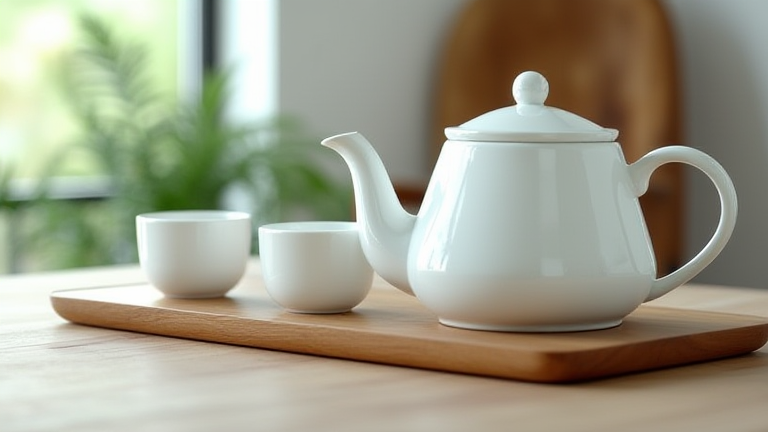
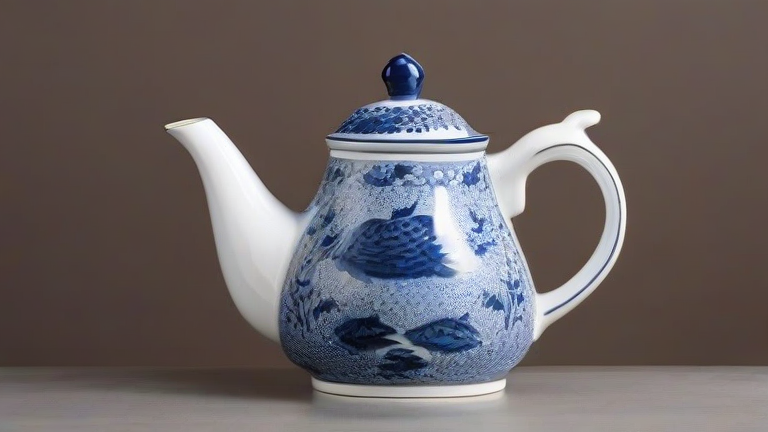
    Porcelain is the gold standard for tea sets due to its non-porous nature, which prevents the pot from absorbing flavors or odors from previous brews. This makes it ideal for green and white teas, where subtle nuances are critical. When selecting a pot, consider the volume. A 12-ounce pot is perfect for individual use, while a 24-ounce pot suits sharing with a friend. Look for a pot with a tight-fitting lid that includes an infuser basket, allowing you to remove the leaves precisely when the desired strength is reached. Ensure the spout is wide enough to pour smoothly without dribbling. Additionally, check the thickness of the porcelain. Thicker walls offer better insulation but take longer to heat up, while thinner walls respond quickly to temperature changes. For a complete tea set, match the cups and saucers to the teapot for a cohesive aesthetic, though functionality should always outweigh appearance. Avoid pots with sharp edges or cracks, as these can harbor bacteria and break easily under thermal stress. A high-quality porcelain teapot is an investment that enhances the ritual of tea drinking, providing a clean, pure taste profile every time.

    If you want to dig deeper, check out our guide on Premium Porcelain Teapots & Tea Sets: The Ultimate Business .

    Care and Maintenance

    Proper care extends the life of your porcelain teapot and ensures hygiene. Never subject your teapot to thermal shock, such as pouring boiling water into a cold pot or placing a hot pot on a cold surface. This can cause cracking. Always warm the pot with a small amount of hot water before brewing. After use, rinse the pot with warm water immediately. Avoid using harsh detergents or abrasive sponges, which can scratch the glaze. If stains appear, soak the pot in a solution of water and white vinegar for a few hours, then scrub gently with a soft brush. Dry the teapot thoroughly to prevent water spots. Store the teapot with the lid slightly ajar to allow airflow and prevent mold growth. Regular maintenance preserves the pristine white finish and ensures that each cup of tea tastes as fresh as the first. Neglecting these steps can lead to lingering flavors and unpleasant odors, ruining the delicate aroma of your favorite teas.

    Brewing Techniques

    Mastering the brew is essential to utilizing your porcelain teapot effectively. Start by measuring the correct amount of loose leaf tea. A general rule is one teaspoon of tea per cup, plus an extra teaspoon for the pot itself. Use water at the appropriate temperature for your tea type; green teas require lower temperatures around 175°F, while black teas need near-boiling water at 212°F. Pour the water over the leaves and start your timer. Over-steeping is a common mistake that leads to a bitter, astringent cup. For green tea, steep for one to two minutes; for black tea, three to five minutes. Once the time is up, remove the infuser basket to stop the extraction process. Pour the tea into cups, ensuring an even distribution. If you are making multiple pots, rinse the leaves once before the second brew, as they often contain more flavor. Enjoy the experience, savoring the aroma and taste that your carefully chosen and maintained porcelain teapot provides.

    FAQ

    Q: Can I use a porcelain teapot for herbal teas?
    A: Yes, porcelain is versatile and works well for herbal teas, though ensure the infuser basket is large enough for bulky ingredients like flowers or fruits to allow proper expansion and flavor release.

    Q: How do I remove persistent tea stains from my porcelain pot?
    A: Soak the pot in a mixture of water and baking soda or citric acid for several hours, then scrub gently with a non-abrasive sponge and rinse thoroughly to restore its original white appearance.

    Q: Is a porcelain teapot
    Related Articles

  • Porcelain Teapot Guide: How to Choose, Use & Care for Your Set

    Porcelain Teapot Guide: How to Choose, Use & Care for Your Set

    Porcelain Teapot Guide: How to Choose, Use & Care for Your Set

    TL;DR: Select a hand-thrown porcelain teapot with a tight-fitting lid and smooth glaze to ensure optimal heat retention and aesthetic appeal. To maintain your set, hand wash with mild soap, avoid thermal shock, and store the teapot with the lid slightly ajar to prevent musty odors.

    Choosing the Right Porcelain Set

    Selecting the ideal porcelain teapot begins with understanding your brewing needs. Porcelain is non-porous, meaning it does not absorb flavors, making it perfect for delicate green or white teas. Look for a teapot with a well-fitted lid that creates a gentle seal without sticking. The spout should be smooth and unobstructed to allow for a steady, controlled pour. Consider the capacity; a four-cup pot is versatile for most households, while a six-cup set is better for entertaining. Ensure the glaze is food-safe and lead-free, which is standard for high-quality porcelain but worth verifying for artisanal pieces.

    If you want to dig deeper, check out our guide on Top Porcelain Teapot & Tea Set Guide: Buying Tips & Care.

    Step-by-Step Usage Instructions

    Before the first use, rinse the teapot with hot water to remove any dust and warm the vessel. This pre-heating step is crucial for porcelain as it prevents thermal shock and ensures the tea stays hot longer. Add your loose leaf tea directly into the pot. Pour freshly boiled water over the leaves, adjusting the temperature based on the tea type. Let the tea steep for the recommended duration. To serve, pour the tea through the integrated strainer, which is usually part of the spout in porcelain designs. Do not let the tea sit in the pot for too long after steeping, as over-extraction can lead to bitterness.

    Caring for Your Porcelain Collection

    Proper care extends the life of your teapot and keeps your tea tasting fresh. Always hand wash your porcelain set with warm water and a mild, fragrance-free dish soap. Avoid using abrasive scrubbers, as they can scratch the glaze. Rinse thoroughly to remove all soap residue, which can alter the taste of future brews. Never place a hot teapot directly into cold water, as rapid temperature changes can cause cracking. After washing, dry the teapot completely with a soft cloth. Store the set in a dry place with the lid removed or slightly open to allow airflow, which prevents the buildup of stale smells. Regular maintenance ensures your porcelain teapot remains a beautiful and functional centerpiece for your tea ritual.

    FAQ

    Q: Can I use a porcelain teapot for oolong tea?
    A: Yes, porcelain is excellent for oolong tea because it preserves the complex aromas without absorbing oils, unlike clay.

    Q: How do I remove a musty smell from my teapot?
    A: Rinse the teapot with boiling water and a small amount of baking soda, then let it sit for thirty minutes before rinsing thoroughly.

    Q: Is porcelain teapot safe for microwave use?
    A: Most high-quality porcelain teapots are microwave-safe, but you should check the manufacturer’s instructions to ensure there is no metallic glaze or decoration.

    Related Articles

  • Healthy Porcelain Teapots: Benefits & Safe Tea Sets

    Healthy Porcelain Teapots: Benefits & Safe Tea Sets

    Healthy Porcelain Teapots: Benefits & Safe Tea Sets

    TL;DR: Porcelain teapots are the safest choice for tea enthusiasts because their non-porous, glazed surface prevents chemical leaching and preserves the pure flavor of your brew. Selecting lead-free, high-quality porcelain ensures a hygienic, durable, and aesthetically pleasing experience that supports long-term wellness habits.

    The Science of Safety and Purity

    In the quest for a healthier lifestyle, the vessel you use to brew your tea is often overlooked. Yet, the material of your teapot plays a critical role in what you consume. Porcelain is widely regarded by health experts as the ideal material for tea brewing. Unlike porous materials such as unglazed clay or lower-grade ceramics, porcelain is fired at extremely high temperatures. This process creates a dense, non-porous structure that does not absorb liquids, odors, or bacteria. This scientific characteristic ensures that your tea retains its intended chemical profile without contamination from previous brews or external residues. Furthermore, reputable porcelain tea sets are manufactured to be lead-free and cadmium-free, eliminating the risk of heavy metal leaching into your hot beverage. Studies on ceramic safety emphasize that the glaze acts as a protective barrier, making porcelain a hygienic and safe choice for daily consumption.

    If you want to dig deeper, check out our guide on Why the Quiet Luxury Trend Is Driving Demand for Cashmere.

    Flavor Integrity and Thermal Performance

    Beyond safety, porcelain excels in preserving the delicate nuances of different tea varieties. Green teas and oolongs are particularly sensitive to temperature and material interaction. Porcelain teapots provide excellent thermal insulation while maintaining a neutral taste profile. Unlike some reactive metals or porous stoneware, porcelain does not impart any off-flavors to the water. This neutrality allows the aromatic compounds and polyphenols in the tea leaves to shine through unaltered. For wellness-focused drinkers who rely on tea for its antioxidant properties, ensuring that the vessel does not interfere with the extraction process is crucial. Additionally, the smooth interior of a porcelain teapot makes cleaning effortless, reducing the buildup of tannins and biofilm that can harbor bacteria in less maintainable materials. This ease of maintenance supports a consistent routine, which is key to any sustainable lifestyle habit.

    Lifestyle Tips for Choosing and Caring for Your Set

    When selecting a porcelain tea set, look for products that explicitly state they are made from high-fire porcelain and are certified food-safe. Avoid cheap imitations that may contain unstable glazes. In terms of lifestyle integration, investing in a durable porcelain set encourages mindfulness in the brewing process. The tactile pleasure of holding a warm, smooth ceramic pot can serve as a moment of pause in a busy day, reducing stress and promoting relaxation. To maintain the integrity of your set, hand wash with mild soap and dry thoroughly. Avoid sudden temperature shocks, such as pouring boiling water into a cold pot, to prevent thermal shock cracks. By choosing a high-quality porcelain teapot, you are not just buying a kitchen utensil; you are investing in a tool that supports purity, flavor, and a calm, healthy daily ritual.

    FAQ

    Q: Are porcelain teapots better than glass for health?
    A: Yes, porcelain is generally preferred because it provides better insulation and does not shatter if dropped, making it safer for daily use while still being non-reactive and non-porous like glass.

    Q: How can I tell if my porcelain teapot is safe?
    A: Check for a “lead-free” certification label, ensure the glaze is smooth and unchipped, and purchase from reputable brands that adhere to strict food safety standards for ceramic cookware.

    Q: Does porcelain affect the taste of green tea?
    A: No, porcelain is chemically inert and neutral, meaning it will not absorb or alter the delicate flavors of sensitive teas like green or white tea, preserving their full antioxidant potential.

    Related Articles

  • Tech in Tea: Smart Porcelain Teapots & Connected Sets

    Tech in Tea: Smart Porcelain Teapots & Connected Sets

    TL;DR: Smart porcelain teapots now integrate IoT sensors to monitor water temperature and steeping time, optimizing flavor profiles for enthusiasts. These connected sets bridge traditional craftsmanship with modern data analytics, creating a personalized brewing experience.

    The Renaissance of the Digital Brew

    The intersection of ancient ceramic artistry and cutting-edge technology has given rise to the smart porcelain teapot. Unlike disposable plastic devices, these high-end vessels retain the aesthetic elegance and thermal stability of traditional porcelain while embedding micro-sensors within the handle and base. Recent developments focus on seamless connectivity, allowing users to control brewing parameters via smartphone applications. The latest models feature precision temperature control, capable of holding water within a half-degree range to preserve delicate tea nuances. This technology addresses the common pain point of over-steeping, a frequent error among casual drinkers that results in bitter, tannic beverages.

    If you want to dig deeper, check out our guide on Porcelain Teapot Guide: How to Use & Care for Your Tea Set.

    Technical Specifications and Features

    Leading manufacturers now offer teapots equipped with BLE 5.0 chips for low-latency communication with mobile devices. The internal sensor suite typically includes a thermistor for real-time temperature tracking and a flow meter that calculates the exact volume of water used. Advanced sets may include a connected tray that detects the weight of individual teacups, ensuring consistent pour volumes. Battery life is a critical spec, with most units offering 30 to 45 days of standby time on a single USB-C charge. The exterior remains unblemished by visible buttons, relying on touch-sensitive zones hidden within the porcelain glaze. Data is stored in the cloud, allowing users to track consumption habits and compare different tea varieties across sessions. Security protocols are robust, with end-to-end encryption protecting user health data and preferences from unauthorized access.

    Industry Impact and Market Shifts

    The emergence of smart porcelain has disrupted the traditional tea market by shifting value from the leaf to the vessel. Brands are no longer competing solely on tea quality but on the intelligence of the brewing process. This shift has accelerated the adoption of IoT in household appliances, moving beyond coffee makers into the realm of tea culture. Manufacturers are partnering with historic kilns to produce limited-edition sets, blending heritage design with modern tech. The impact extends to supply chains, as demand for high-purity, lead-free porcelain with embedded electronic cavities has increased. Retailers report higher margins on connected sets, suggesting a willingness among consumers to pay a premium for convenience and precision. Furthermore, the data generated by these devices offers valuable insights into consumer preferences, enabling brands to tailor marketing strategies and develop new product lines based on actual usage patterns rather than assumptions.

    FAQ

    Q: Are smart porcelain teapots safe for health?
    A: Yes, reputable brands use food-grade, lead-free porcelain and certified electronics, ensuring no harmful leachates occur during heating or steeping processes.

    Q: How does the connectivity affect battery life?
    A: Active Bluetooth usage drains battery faster, but most units last weeks on standby, requiring only occasional recharging via USB-C ports located discreetly in the base.

    Q: Can these teapots be used without the app?
    A: Yes, most models offer a basic manual mode where you can set temperature via hidden touch controls, though advanced scheduling and data tracking require the app.

    Related Articles

  • Porcelain Teapot Care: A Complete Cleaning & Maintenance Guide

    Porcelain Teapot Care: A Complete Cleaning & Maintenance Guide

    TL;DR: Clean porcelain teapots immediately after use with warm, soapy water to prevent stain absorption and odor buildup. Avoid abrasive scrubbers and harsh chemicals to preserve the delicate glaze and maintain the pot’s aesthetic longevity.

    Initial Daily Cleaning Protocol

    Proper maintenance begins the moment you finish your brew. Never allow tea residue to dry inside the vessel, as tannins can permanently etch into microscopic pores in the ceramic if left unattended. Disassemble the teapot by removing the lid, infuser, and any strainer components. Fill each part with warm water, not boiling, to prevent thermal shock which can crack thin-walled porcelain. Add a small drop of mild, unscented dish soap. Use a soft, non-scratch sponge or a dedicated teapot brush to gently scrub the interior walls, the bottom, and the underside of the lid. Pay special attention to the spout tip and the drainage holes of the infuser, where dried leaf fragments often lodge. Rinse thoroughly under running water until all soap residue is gone. Soap left behind can alter the taste of future brews, introducing a soapy aftertaste that compromises the purity of your tea. Ensure all parts are completely dry before reassembly to prevent the formation of mineral deposits or mold in humid environments.

    If you want to dig deeper, check out our guide on Elevate Your Home: Stylish Porcelain Teapots & Tea Sets.

    Deep Cleaning and Stain Removal

    Despite diligent daily care, some teas, particularly strong blacks or oolongs, may leave faint discoloration. For these instances, create a paste using baking soda and a small amount of water. Apply this paste to the stained areas and let it sit for no more than ten minutes. Baking soda is a mild abrasive that lifts stains without damaging the glossy porcelain surface. Scrub gently with a soft cloth and rinse immediately. For persistent odors, such as those caused by strong pu-erh or smoky lapsangs, soak the disassembled parts in a solution of equal parts white vinegar and water for thirty minutes. The acetic acid neutralizes alkaline tea compounds that cause lingering smells. After soaking, rinse the parts multiple times to remove the vinegar taste. Avoid using bleach or ammonia-based cleaners, as these chemicals can react with the glaze, potentially causing it to crack or become discolored over time. If your teapot has decorative gold or silver accents, ensure these areas are not exposed to acidic solutions like vinegar for extended periods, as this can tarnish or strip the metallic finish.

    Drying and Storage Best Practices

    After cleaning, air dry all components completely. Place the teapot upside down on a drying rack to allow gravity to drain any remaining moisture from the interior. Do not cover the pot while it is still damp, as trapped moisture creates a breeding ground for bacteria and mildew. Once fully dry, store the teapot in a clean, dry cabinet. If you plan to store the teapot for an extended period, ensure it is completely empty and free from any residual moisture. For porcelain tea sets that include matching cups and saucers, wash these items alongside the pot to maintain uniform cleanliness. Handle the teapot with care, as porcelain, while durable, is susceptible to chipping if dropped. Use a soft cloth when handling the spout and handle to prevent accidental knocks against hard surfaces. Regular inspection of the glaze for any hairline cracks is recommended. If a crack appears, stop using the teapot immediately, as it can leak scalding hot water and pose a burn hazard. Proper care ensures that your porcelain teapot remains a beautiful and functional piece of kitchenware for decades.

    FAQ

    Q: Can I use a dishwasher for my porcelain teapot?
    A: It is generally recommended to hand wash porcelain teapots to avoid the risk of thermal shock from high-temperature cycles and to protect delicate glazes or metallic accents from harsh detergents.

    Q: How do I remove strong, lingering tea odors from the spout?
    A: Disassemble the spout if possible, or soak the entire pot in a mixture of water and a small amount of baking soda for several hours, then rinse thoroughly to neutralize the scent

    Related Articles

  • Elevate Your Tea Ritual: The Timeless Charm of Porcelain Teapots

    Elevate Your Tea Ritual: The Timeless Charm of Porcelain Teapots

    Elevate Your Tea Ritual: The Timeless Charm of Porcelain Teapots

    TL;DR: Investing in a high-quality porcelain teapot transforms casual tea drinking into a meditative, sensory-rich experience that honors both tradition and modern aesthetics. The material’s neutrality and elegance make it the perfect vessel for preserving the delicate nuances of your favorite brews.

    In a world dominated by speed and convenience, the act of preparing tea offers a rare opportunity for pause. While ceramic and glass pots have their merits, porcelain stands out as the gold standard for those seeking to elevate their daily rituals. This isn’t just about aesthetics; it is about creating a tangible connection to history and craftsmanship. A porcelain teapot is not merely a kitchen appliance; it is a piece of art that invites you to slow down, appreciate the moment, and engage your senses fully.

    If you want to dig deeper, check out our guide on Smart Tea Sets: How Tech Enhances Porcelain Teapots.

    The Material Matters: Why Porcelain?

    Porcelain is prized in the culinary world for its purity. Unlike unglazed ceramics, which can absorb flavors and odors over time, high-quality porcelain is non-porous. This means that a delicate white peony tea will not taste like the strong black tea you brewed the day before. The neutrality of the material allows the true character of the leaves to shine through without interference. Furthermore, porcelain retains heat exceptionally well, keeping your tea at the optimal drinking temperature for longer periods. This thermal stability is crucial for complex teas that require specific steeping conditions to reveal their best notes.

    Beyond functionality, porcelain offers a visual experience that other materials cannot match. The crisp white finish provides a stunning canvas for intricate hand-painted designs, from traditional Chinese motifs to minimalist modern lines. Whether you choose a classic Yixing-inspired shape or a sleek, contemporary silhouette, a porcelain teapot becomes a centerpiece on your dining table. It invites conversation and admiration, turning a simple beverage into a social event. The weight of the pot in your hand, the smoothness of the glaze, and the elegance of the spout all contribute to a tactile pleasure that enhances the drinking experience.

    Crafting Your Personal Ritual

    Elevating your tea ritual with porcelain is about intentionality. Start by selecting a teapot that resonates with your personal style and the types of tea you enjoy. For green and white teas, a smaller pot allows for precise control over steeping time, preventing bitterness. For black or oolong teas, a slightly larger capacity may be preferred to allow the leaves to unfurl properly. Pair your pot with matching porcelain cups to create a cohesive aesthetic. This uniformity creates a sense of harmony and completeness, reinforcing the meditative aspect of the ritual.

    Consider the environment in which you brew. Porcelain’s elegant appearance pairs beautifully with natural light, making morning tea especially serene. Place your set on a wooden tray or a marble countertop to highlight its colors and textures. The sound of water pouring into a porcelain pot is distinctly different from glass or ceramic; it is softer and more resonant, adding another layer of auditory pleasure to the process. This sensory engagement is key to personal growth, as it encourages mindfulness and presence.

    Ultimately, choosing a porcelain teapot is an investment in quality and culture. It connects you to centuries of tea traditions while allowing for personal expression. By focusing on the vessel as much as the leaf, you transform a habitual act into a cherished ritual. In doing so, you find a moment of peace and clarity in the midst of a busy day. Let the timeless charm of porcelain guide you toward a more deliberate and enjoyable way of living, one cup at a time.

    FAQ

    Q: Is porcelain difficult to clean and maintain?
    A: No, porcelain is actually very easy to clean because it is non-porous and resistant to stains. Simply rinse it with warm water and mild soap, ensuring the interior is completely dry before storing to prevent any potential mold or mildew.

    Q: Can I use a porcelain teapot for all types of tea?
    A: Yes, because porcelain does not absorb flavors, it is versatile enough for green, white, black, oolong

    Related Articles

  • Porcelain Teapot Guide: How to Use, Care & Choose

    Porcelain Teapot Guide: How to Use, Care & Choose

    TL;DR: To use and care for porcelain teapots, always rinse them with hot water before brewing and avoid sudden temperature shocks to prevent cracking. Choosing the right porcelain set involves selecting a size that matches your guest count and ensuring the lid fits snugly to retain heat effectively.

    How to Use a Porcelain Teapot

    Begin by heating your porcelain teapot. Pour boiling water into the empty pot and let it sit for one minute. This warms the clay and prevents thermal shock, which is critical for maintaining the structural integrity of fine porcelain. Discard the water carefully. Next, add your loose-leaf tea directly into the pot. Use approximately one teaspoon of dry leaves per cup of water, adjusting based on your preferred strength. Pour fresh boiling water over the leaves, filling the pot to the brim. Allow the tea to steep for the recommended time, typically three to five minutes for green teas and five to seven for black teas. Pour the brewed tea into your cups, leaving any sediment behind in the pot.

    If you want to dig deeper, check out our guide on Porcelain Teapots: Health Benefits & Safety of Brewing Tea.

    Care and Maintenance Tips

    After each use, rinse the teapot with warm water to remove loose tea particles. Avoid using soap or abrasive sponges, as these can leave residual flavors and scratch the delicate glaze. If you notice tannin stains on the interior, soak the pot in a solution of water and baking soda overnight before rinsing thoroughly. Always let the teapot air dry with the lid off to prevent moisture buildup and mildew. Store your porcelain tea set in a dry, safe place away from heavy objects to avoid chipping. Regularly inspect the lid and spout for hairline cracks, as these can worsen over time and lead to leaks.

    Choosing the Right Porcelain Tea Set

    When selecting a porcelain tea set, consider the number of people you usually serve. A six-ounce pot is ideal for one person, while a twelve-ounce pot suits two to three guests. Look for sets with thick-walled porcelain, as this material retains heat better than thin ceramic. Ensure the lid fits securely to keep the tea warm and the aroma contained. Aesthetic preferences matter too; choose colors and patterns that complement your dining table. High-quality porcelain should feel smooth and heavy, indicating durability. Check reviews for specific brands regarding their resistance to chipping and long-term thermal stability. Investing in a reputable brand ensures your teapot will last for years with proper care.

    FAQ

    Q: Can I put my porcelain teapot in the dishwasher?
    A: It is generally recommended to hand wash porcelain teapots to preserve the glaze and prevent potential cracking from high heat and harsh detergents used in dishwashers.

    Q: Why does my porcelain teapot crack easily?
    A: Cracks usually result from thermal shock, which occurs when cold water is added to a hot pot or when the pot is moved rapidly from extreme cold to heat. Always warm the pot before brewing.

    Q: How do I remove strong tea stains from porcelain?
    A: Soak the teapot in a mixture of water and baking soda for several hours or overnight. Scrub gently with a soft sponge and rinse thoroughly to restore the original white appearance.

    Related Articles

  • Health Benefits of Porcelain Teapots: Why Material Matters

    Health Benefits of Porcelain Teapots: Why Material Matters

    Health Benefits of Porcelain Teapots: Why Material Matters

    TL;DR: Porcelain teapots provide a chemically inert brewing environment that prevents the leaching of heavy metals or synthetic compounds into your tea. This material ensures that the complex polyphenols and antioxidants in your tea leaves remain pure, unaltered, and maximally bioavailable for optimal health benefits.

    When selecting a teapot, many enthusiasts focus solely on aesthetics or price, often overlooking the critical role the material plays in beverage safety and flavor integrity. Porcelain stands out in the world of tea ware because of its unique composition and manufacturing process. Unlike lower-grade ceramics or plastic infusers, high-quality porcelain is fired at extremely high temperatures, resulting in a glass-like, non-porous surface. This structural integrity is the primary reason why material science experts recommend porcelain for daily health-conscious consumers. The non-porous nature of the glaze means that the teapot does not absorb odors or flavors from previous brews, nor does it release any residual chemicals into your fresh pot of tea. This is crucial because even trace amounts of unwanted substances can interfere with the delicate balance of compounds in tea, potentially reducing the efficacy of the antioxidants you are seeking.

    If you want to dig deeper, check out our guide on Best Noise-Canceling Headphones for Open-Office Workers.

    The Science of Inert Materials

    Tea is a potent source of catechins, theaflavins, and other bioactive compounds that contribute to cardiovascular health and cellular protection. However, these compounds are sensitive to their extraction environment. Research in food chemistry indicates that reactive materials can alter the pH of the brew or introduce metallic ions that bind with these antioxidants, rendering them less effective. Porcelain is chemically stable and inert, meaning it does not participate in chemical reactions with the hot water or tea leaves. This stability preserves the natural acidity and flavor profile of the tea, ensuring that you receive the full therapeutic benefit of the infusion. Furthermore, porcelain teapots are often lead-free and cadmium-free, especially when sourced from reputable manufacturers who adhere to strict food safety standards. This makes them a safer choice for long-term daily use compared to older or unregulated ceramic products that may contain glazes with heavy metal content.

    Lifestyle Tips for Optimal Brewing

    To maximize the health benefits of your porcelain teapot, consider how you maintain and use it. First, ensure that your teapot is made from high-fired porcelain, which is denser and less likely to crack or chip over time. Chips can create microscopic pathways for bacteria to enter, compromising hygiene. Second, while porcelain is non-porous, it is not indestructible. Avoid sudden temperature shocks by not pouring boiling water directly onto a cold teapot; instead, pre-warm it with hot water to prevent thermal shock. This gentle approach preserves the structural integrity of the vessel and ensures a consistent brewing temperature, which is vital for extracting the right balance of flavors and nutrients. Additionally, use your porcelain teapot for a variety of teas, from delicate greens to robust blacks, without worrying about flavor cross-contamination. This versatility encourages a diverse tea diet, exposing you to a wider range of health-promoting compounds. By investing in a high-quality porcelain teapot, you are not just buying a vessel; you are investing in a tool that safeguards the purity and potency of your daily wellness ritual.

    FAQ

    Q: Is porcelain better than clay for health reasons?
    A: Porcelain is generally preferred for purity because it is non-porous and inert, preventing any absorption or release of substances, whereas clay can absorb flavors and sometimes harbor bacteria if not cleaned perfectly.

    Q: Can porcelain teapots be used for all types of tea?
    A: Yes, porcelain’s neutral nature makes it ideal for all tea types, as it does not alter the flavor or chemical composition of the brew, allowing the unique characteristics of each tea to shine.

    Q: How do I ensure my porcelain teapot is safe?
    A: Purchase from reputable brands that certify their products as lead-free and cadmium-free, and look for high-fired porcelain which is denser and more durable, ensuring no glaze cracks that could compromise safety.</

    Related Articles

  • Smart Teapots: Tech-Infused Tea Sets & Pour-Over Precision

    Smart Teapots: Tech-Infused Tea Sets & Pour-Over Precision

    Smart Teapots: Tech-Infused Tea Sets & Pour-Over Precision

    TL;DR: Modern smart teapots integrate IoT sensors and app connectivity to automate brewing variables like temperature and steeping time, ensuring optimal flavor extraction. These devices are transforming traditional porcelain tea sets into precision instruments that cater to both casual drinkers and connoisseurs seeking consistent results.

    The intersection of culinary art and digital innovation has reached the humble teapot. No longer just a vessel for hot water, contemporary smart teapots represent a significant leap in domestic appliance technology. These devices merge the aesthetic appeal of traditional porcelain with the functional precision of modern electronics. By leveraging embedded sensors and Bluetooth connectivity, manufacturers are offering users unprecedented control over the brewing process. This shift addresses a common pain point for tea enthusiasts: the inconsistency of manual brewing. Human error in timing and temperature often leads to bitter or weak tea, but smart systems eliminate these variables entirely.

    If you want to dig deeper, check out our guide on Why Matching Bracelets Are the Jewelry Trend Everyone Is Buy.

    Latest Developments and Specifications

    The latest generation of smart tea sets focuses on material integrity and sensor accuracy. High-end models now utilize double-walled porcelain construction, which not only retains heat more effectively but also houses the electronic components safely. Key specifications for these advanced units include a heating range from 40°C to 100°C, allowing for the precise preparation of delicate green teas alongside robust black teas. The integration of NTC thermistors ensures that the water temperature is maintained within a narrow margin of error, typically ±1°C. Furthermore, many modern smart teapots feature a “smart pour” mechanism. This automated spout releases water in a controlled stream, mimicking the technique of a skilled barista. The flow rate can be adjusted via a companion mobile application, enabling users to replicate specific pour-over methods. Connectivity is another critical spec; most devices support both iOS and Android platforms, allowing users to save custom brewing profiles. These profiles can be shared online, fostering a community of tea enthusiasts who exchange optimal settings for rare varieties.

    Industry Impact

    The rise of smart teapots is reshaping the home appliance market by blurring the lines between kitchen gadgets and luxury goods. For manufacturers, this niche offers high margins due to the specialized nature of the technology. It also encourages cross-industry collaboration, with electronics firms partnering with heritage porcelain brands to create exclusive collections. This synergy drives innovation in materials science, as engineers work to ensure that electronic components do not compromise the thermal properties or aesthetic purity of the ceramic. For consumers, the impact is a democratization of expertise. You no longer need years of training to brew a perfect cup of oolong. The industry is also seeing a surge in data-driven insights, with companies analyzing brewing habits to predict trends in tea consumption. This data helps retailers stock the right types of tea leaves to match the popularity of specific smart brewing profiles. As sustainability becomes a priority, new models are incorporating energy-efficient heating elements and eco-friendly materials, further solidifying the teapot’s place in the modern, tech-savvy household. The future of tea is not just about tradition; it is about precision, connectivity, and a seamless user experience that respects both the leaf and the drinker.

    FAQ

    Q: Are smart teapots compatible with all types of tea?
    A: Yes, most smart teapots allow users to select specific tea types, adjusting temperature and steeping time accordingly for optimal flavor.

    Q: How do I clean the electronic components of a porcelain smart teapot?
    A: Always refer to the manufacturer’s manual, but generally, the exterior can be wiped with a damp cloth, and only the removable parts should be submerged in water.

    Q: Can I use a smart teapot without the mobile app?
    A: Yes, most devices have physical buttons for basic functions like heating and pouring, though the app provides advanced customization and profile management.

    Related Articles

  • Health Benefits of Porcelain Teapots: Why They Matter

    Health Benefits of Porcelain Teapots: Why They Matter

    Health Benefits of Porcelain Teapots: Why They Matter

    TL;DR: Porcelain teapots provide a chemically inert environment that preserves the delicate antioxidants and polyphenols in tea leaves, ensuring maximum nutritional potency. Unlike porous materials, they prevent flavor contamination and bacterial growth, making them the superior choice for consistent, safe, and health-optimized tea brewing.

    The Chemical Inertness Advantage

    When selecting a teapot, material composition is the first line of defense for your health. Porcelain is renowned for its non-porous, glass-like surface, which is chemically inert. This means it does not react with acidic compounds found in many teas, such as citric acid in fruit teas or tannins in black teas. Research indicates that reactive metals or porous clays can leach trace elements into your beverage. While some minerals might be beneficial in minute quantities, uncontrolled leaching can introduce unwanted impurities. Porcelain ensures that the only thing you consume is the tea itself, preserving the integrity of the antioxidants like catechins and flavonoids, which are linked to reduced inflammation and improved cardiovascular health.

    If you want to dig deeper, check out our guide on Handcrafted Porcelain Teapots & Tea Sets: The Ultimate Guide.

    Preserving Nutritional Integrity

    The thermal properties of porcelain are also critical for health. Porcelain retains heat exceptionally well, allowing for the precise temperature control required to extract specific health benefits from different tea types. For instance, green tea requires lower temperatures to prevent the oxidation of its sensitive antioxidants, while black tea benefits from higher heat to release its robust compounds. A porcelain teapot maintains a stable internal temperature, preventing the rapid cooling that can occur with thin metal vessels. This stability ensures that the steeping process is consistent, maximizing the extraction of beneficial compounds without over-extracting bitter tannins that can interfere with iron absorption. Furthermore, the smooth interior of a porcelain set is easily cleaned, eliminating the risk of harboring mold or bacteria in microscopic pores, a common issue with unglazed clay pots.

    Lifestyle and Hygiene Tips

    To maximize the health benefits of your porcelain tea set, adopt a rigorous hygiene routine. After each use, rinse the pot with hot water and allow it to air dry completely. Avoid using soap on the interior if you wish to retain subtle tea oils, but ensure no residue remains. Store your teapot with the lid slightly ajar to promote airflow and prevent musty odors. Regularly inspect the glaze for any chips or cracks, as these can harbor bacteria. By choosing a high-quality porcelain teapot, you are not just making a stylistic choice; you are making a scientific decision that supports the delivery of pure, potent, and safe beverages into your daily wellness routine. This attention to detail transforms a simple habit into a health-conscious practice, ensuring that every cup contributes positively to your overall well-being.

    FAQ

    Q: Is porcelain safe for steeping herbal teas with high acidity?
    A: Yes, porcelain is non-reactive and will not leach harmful substances or alter the pH balance of acidic herbal teas.

    Q: Do porcelain teapots retain heat better than glass teapots?
    A: Yes, porcelain generally has superior thermal mass, keeping tea hotter for longer periods, which aids in consistent extraction of nutrients.

    Q: Can I use a porcelain teapot for both green and black tea?
    A: Absolutely, porcelain’s neutral flavor profile prevents cross-contamination between different tea types, allowing you to switch varieties without tasting residue.

    Related Articles