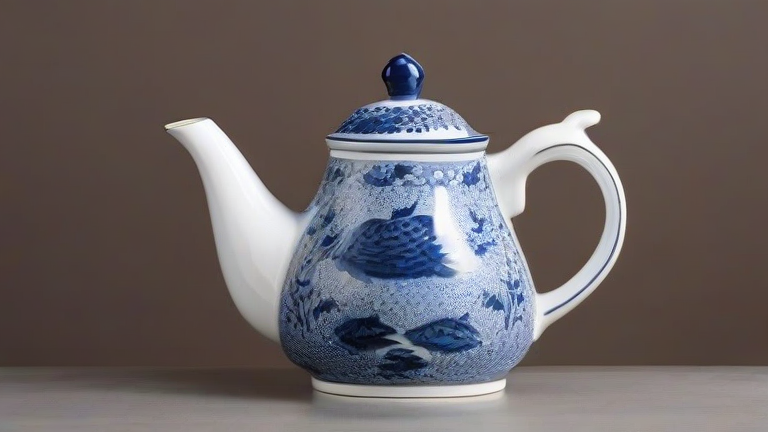
TL;DR: Select a porcelain teapot based on your preferred tea type and brewing volume, prioritizing a snug-fitting lid and heat retention. Care for it by avoiding thermal shock and staining agents, while brewing requires precise water temperatures and steeping times to extract the best flavor without bitterness.
Choosing the Right Porcelain Teapot
Porcelain is the gold standard for tea sets due to its non-porous nature, which prevents the pot from absorbing flavors or odors from previous brews. This makes it ideal for green and white teas, where subtle nuances are critical. When selecting a pot, consider the volume. A 12-ounce pot is perfect for individual use, while a 24-ounce pot suits sharing with a friend. Look for a pot with a tight-fitting lid that includes an infuser basket, allowing you to remove the leaves precisely when the desired strength is reached. Ensure the spout is wide enough to pour smoothly without dribbling. Additionally, check the thickness of the porcelain. Thicker walls offer better insulation but take longer to heat up, while thinner walls respond quickly to temperature changes. For a complete tea set, match the cups and saucers to the teapot for a cohesive aesthetic, though functionality should always outweigh appearance. Avoid pots with sharp edges or cracks, as these can harbor bacteria and break easily under thermal stress. A high-quality porcelain teapot is an investment that enhances the ritual of tea drinking, providing a clean, pure taste profile every time.
If you want to dig deeper, check out our guide on Premium Porcelain Teapots & Tea Sets: The Ultimate Business .
Care and Maintenance
Proper care extends the life of your porcelain teapot and ensures hygiene. Never subject your teapot to thermal shock, such as pouring boiling water into a cold pot or placing a hot pot on a cold surface. This can cause cracking. Always warm the pot with a small amount of hot water before brewing. After use, rinse the pot with warm water immediately. Avoid using harsh detergents or abrasive sponges, which can scratch the glaze. If stains appear, soak the pot in a solution of water and white vinegar for a few hours, then scrub gently with a soft brush. Dry the teapot thoroughly to prevent water spots. Store the teapot with the lid slightly ajar to allow airflow and prevent mold growth. Regular maintenance preserves the pristine white finish and ensures that each cup of tea tastes as fresh as the first. Neglecting these steps can lead to lingering flavors and unpleasant odors, ruining the delicate aroma of your favorite teas.
Brewing Techniques
Mastering the brew is essential to utilizing your porcelain teapot effectively. Start by measuring the correct amount of loose leaf tea. A general rule is one teaspoon of tea per cup, plus an extra teaspoon for the pot itself. Use water at the appropriate temperature for your tea type; green teas require lower temperatures around 175°F, while black teas need near-boiling water at 212°F. Pour the water over the leaves and start your timer. Over-steeping is a common mistake that leads to a bitter, astringent cup. For green tea, steep for one to two minutes; for black tea, three to five minutes. Once the time is up, remove the infuser basket to stop the extraction process. Pour the tea into cups, ensuring an even distribution. If you are making multiple pots, rinse the leaves once before the second brew, as they often contain more flavor. Enjoy the experience, savoring the aroma and taste that your carefully chosen and maintained porcelain teapot provides.
FAQ
Q: Can I use a porcelain teapot for herbal teas?
A: Yes, porcelain is versatile and works well for herbal teas, though ensure the infuser basket is large enough for bulky ingredients like flowers or fruits to allow proper expansion and flavor release.
Q: How do I remove persistent tea stains from my porcelain pot?
A: Soak the pot in a mixture of water and baking soda or citric acid for several hours, then scrub gently with a non-abrasive sponge and rinse thoroughly to restore its original white appearance.
Q: Is a porcelain teapot
Leave a Reply