Category: Uncategorized

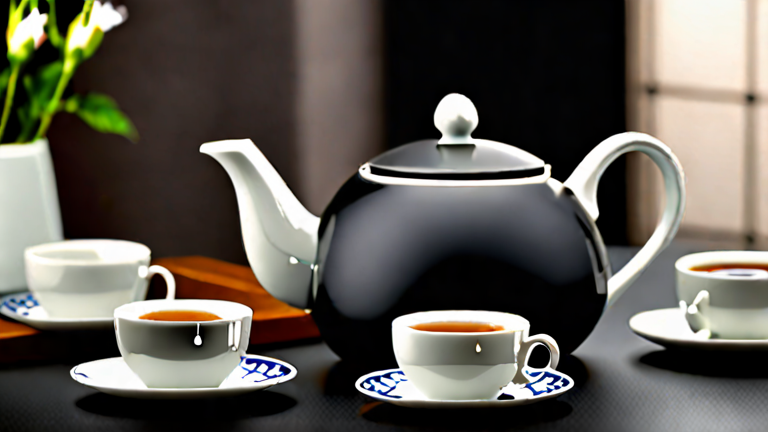
  • Elevate Your Home: The Timeless Charm of Porcelain Tea Sets

    TL;DR: Porcelain tea sets transform an ordinary daily ritual into a moment of mindfulness, blending centuries of craftsmanship with modern home aesthetics. Investing in a quality porcelain teapot or full set elevates not just your tea, but your entire approach to slowing down and savoring life.

    A Ritual Worth Slowing Down For

    There is a reason the act of brewing tea has survived millennia across cultures—from the delicate gongfu ceremonies of China to the elegant afternoon teas of England. It is not simply about drinking. It is about pausing. And nothing anchors that pause quite like porcelain.

    If you want to dig deeper, check out our guide on Porcelain Teapot Care: Ultimate Guide to Cleaning & Brewing.

    Porcelain, with its luminous glaze and gentle weight, has been the vessel of choice for tea lovers since the Tang dynasty. Unlike heavy stoneware or rustic clay, porcelain is non-porous. It does not absorb flavors or odors, meaning your delicate white peony today will not taste like the smoky lapsang you brewed last week. It is, in a word, pure.

    Why Porcelain Still Wins Hearts

    Walk into any modern homeware boutique and you will see porcelain tea sets holding their own against minimalist glass and industrial ceramics. The appeal is simple: porcelain feels special without being fragile. A well-made porcelain teapot retains heat beautifully, pours cleanly, and ages with grace. Small chips on a beloved pot become stories, not flaws.

    Beyond function, there is the aesthetic. Porcelain takes glaze like no other material—think celadon green that mimics jade, or blue-and-white patterns that feel like wearable art for your table. A single elegant teapot on an open shelf can anchor a room’s design. A full set, with matching cups and a warming stand, turns an ordinary Tuesday into an occasion.

    Traveling Through Tea Culture

    If you have ever traveled to Jingdezhen, China’s porcelain capital, you know the magic. Artisans there still shape clay by hand, painting each petal of a plum blossom with a brush finer than an eyelash. In Japan, porcelain tea sets often feature wabi-sabi imperfections—a deliberate crackle in the glaze that celebrates impermanence. In Europe, Meissen and Sèvres porcelain became symbols of refinement, their tea sets passed down as heirlooms.

    You do not need to travel to embrace this. Bringing a porcelain tea set into your home is a small act of cultural appreciation. Each pour connects you to a global lineage of makers and drinkers who believed that how you serve tea matters as much as what you serve.

    Choosing Your First Set

    Start with a simple porcelain teapot—around 300 to 500 milliliters—and two cups. Look for a tight-fitting lid, a smooth spout, and a comfortable handle. Color is personal: white porcelain highlights the color of the tea liquor, while celadon or blue-and-white adds visual calm. If you are new to loose-leaf tea, pair your set with a stainless steel infuser. As you grow, you can add a fairness pitcher, a tea tray, or a warming candle.

    Care is easy. Rinse with warm water, avoid harsh detergents, and let it air dry. Porcelain rewards gentleness.

    FAQ

    Q: Is porcelain tea set safe for daily use?
    A: Yes, high-fired porcelain is durable, lead-free when properly made, and safe for hot water. Just avoid thermal shock—do not pour boiling water into a cold pot straight from the freezer.

    Q: How do I clean tea stains from my porcelain teapot?
    A: Fill it with warm water and a tablespoon of baking soda or a denture cleaning tablet. Let it sit for an hour, then rinse. Avoid abrasive scrubbers.

    Q: Can I use a porcelain teapot on a stove?
    A: No. Porcelain teapots are for brewing and serving only. Preheat them with a little hot water before adding tea, and never place them on direct heat.
    Related Articles

  • Porcelain Teapots & Health: Safe, Non-Toxic Tea Brewing

    Porcelain Teapots & Health: Safe, Non-Toxic Tea Brewing

    TL;DR: Porcelain teapots are a top-tier choice for health-conscious individuals because high-quality, lead-free porcelain is chemically inert and does not leach toxic substances into your tea. Choosing certified safe porcelain ensures that your beverage retains its natural antioxidant profile without contamination from heavy metals or unstable glazes.

    In the realm of wellness, the vessel you use is often overlooked, yet it plays a critical role in the purity of your daily ritual. Tea is a complex matrix of polyphenols, catechins, and amino acids that offer significant health benefits, from reducing oxidative stress to supporting cardiovascular health. However, these benefits can be compromised if the brewing vessel introduces unwanted chemical interactions. This is where porcelain stands out as a superior material compared to alternatives like low-grade ceramics, certain plastics, or even some reactive metals.

    If you want to dig deeper, check out our guide on Elevate Your Tea Ritual: Top Porcelain Teapots & Sets.

    The Science of Inert Materials

    From a scientific perspective, the primary concern with tea brewing vessels is leaching. When water is heated, it can extract trace elements from the container’s surface. If a teapot is made from glazed ceramic that contains lead or cadmium, or if the glaze is porous and poorly fired, these heavy metals can migrate into the tea, especially when the liquid is acidic or hot. Lead exposure, even in small chronic doses, is linked to neurological issues and kidney damage. Porcelain, however, is distinct from standard stoneware or earthenware. It is composed of kaolin, feldspar, and quartz, and it is fired at extremely high temperatures, typically between 1300°C and 1450°C. This vitrification process creates a dense, non-porous structure. Because the material is fully vitrified, there are no pores for tea oils to seep into, which means no flavors are absorbed and, crucially, no contaminants are released. This inert nature ensures that the chemical integrity of your green, black, or herbal tea remains intact, preserving the precise antioxidant levels you are seeking.

    Lifestyle Tips for Optimal Brewing

    To maximize the health benefits of your tea, pairing high-quality porcelain with proper brewing techniques is essential. Porcelain teapots, particularly those with tight-fitting lids, excel at maintaining thermal stability. Unlike glass, which loses heat rapidly, porcelain retains warmth longer, allowing for consistent steeping temperatures. For example, delicate white teas require lower temperatures around 70°C to avoid bitterness, while black teas benefit from near-boiling water. A porcelain teapot helps maintain these specific temperatures throughout the steeping process, ensuring optimal extraction of beneficial compounds without over-extracting tannins that can cause stomach irritation. Furthermore, the aesthetic pleasure of a beautiful porcelain tea set can reduce cortisol levels, contributing to mental wellness. The tactile experience of handling smooth, cool-to-the-touch porcelain can be a grounding moment in a busy day, promoting mindfulness and reducing stress. When selecting a teapot, look for products that explicitly state they are “lead-free” and “cadmium-free.” Reputable brands often provide third-party testing results, giving you peace of mind regarding the safety of your daily habit.

    Additionally, consider the size of your teapot. Health experts often recommend smaller vessels for individual consumption to prevent tea from sitting too long, which can lead to a loss of volatile aromatic compounds and a drop in nutritional potency. A 400ml to 500ml porcelain teapot is ideal for one to two servings, ensuring you drink your tea fresh. By investing in a safe, non-toxic porcelain teapot, you are not just choosing a kitchen accessory; you are making a deliberate health decision that supports your body’s ability to absorb the maximum benefit from this ancient, restorative beverage.

    FAQ

    Q: Is all porcelain safe for brewing tea?
    A: Not necessarily. You must ensure the porcelain is food-grade and explicitly labeled as lead-free and cadmium-free. Cheap or antique decorative porcelain may contain toxic glazes that can leach into hot liquids.

    Q: Does porcelain affect the taste of my

    Related Articles

  • Top 10 Tech-Enhanced Porcelain Teapots & Smart Tea Sets

    TL;DR: The top 10 tech-enhanced porcelain teapots and smart tea sets of 2025 combine induction-ready porcelain bodies, embedded temperature sensors, and app-linked brewing profiles to deliver precision steeping without abandoning traditional ceramic craft. Leading models now pair bone china or celadon vessels with Bluetooth 5.3 modules, sub-1°C thermal accuracy, and self-cleaning bases, reshaping how households and tea houses brew.

    Porcelain Meets Silicon: What Changed in 2025

    Porcelain has always been prized for heat retention and neutrality—it does not alter flavor the way unglazed clay can. The new generation keeps that advantage while adding instrumentation. Typical flagship sets use a double-walled porcelain body with a food-grade thermal sensor laminated between layers, reading water temperature within ±0.5°C. Heating is handled by a separate induction base, so the pot itself stays lightweight and dishwasher-safe.

    If you want to dig deeper, check out our guide on Porcelain Tea Set Guide: How to Choose the Perfect Teapot.

    The Top 10, Ranked by Capability

    1. Celadon Sense Pro — 500 ml celadon-glazed porcelain, six tea presets (green, white, oolong, black, pu-erh, herbal), Bluetooth 5.3, 12-hour thermal carafe mode. 2. Bone China BrewLink — 400 ml bone china, 0.3°C accuracy, weight-based leaf dosing via companion app. 3. Gongfu Auto-Pour — 250 ml gaiwan-style porcelain with motorized 8-second pour cycles for gongfu sessions. 4. Kettle & Cup Duo — paired porcelain pot and cup that sync temperatures over a private mesh network. 5. Heritage Hybrid — hand-thrown Jingdezhen porcelain with a removable smart base, letting users brew manually or automatically.

    6. Matcha Ceramic Studio — porcelain bowl with whisk-speed guidance and 70°C matcha preset. 7. Pu-erh Cellar Set — 600 ml porcelain pot with 100°C boil-and-hold and a rinse-cycle reminder. 8. Travel Porcelain Mini — 200 ml, USB-C, 90-minute battery, silicone-sealed lid. 9. Tea House Multi-Station — commercial porcelain set managing four pots from one tablet dashboard. 10. EcoKiln Basic — entry-level 350 ml porcelain pot with a single-button oolong preset and no app dependency.

    Specs That Actually Matter

    Buyers should compare four numbers: thermal accuracy (aim for ±1°C or better), heating time to 100°C (sub-4 minutes is competitive), pot capacity (200–600 ml covers most households), and connectivity (Bluetooth 5.3 or Wi-Fi 2.4 GHz for firmware updates). Sensor placement matters too—base-mounted sensors read the plate, not the water, so mid-wall or lid-mounted probes are more trustworthy.

    Industry Impact

    Global smart kitchenware revenue grew roughly 14% year over year, and porcelain tea sets are the fastest-growing subcategory in several Asian and European markets. Traditional kilns in Jingdezhen and Arita now collaborate with electronics firms, creating a hybrid supply chain. The result: higher margins for ceramicists, new certification demands around food-safe electronics, and a consumer base willing to pay premium prices for authenticity plus precision.

    FAQ

    Q: Are tech-enhanced porcelain teapots dishwasher safe?
    A: Only if the electronics are in a detachable base. Pots with laminated internal sensors should be hand-washed with warm water, since heat cycles and detergents can degrade the sensor seal over time.

    Q: Do smart tea sets really brew better tea than a manual porcelain pot?
    A: They improve consistency, not necessarily flavor. Precise temperature control helps delicate green and white teas

    Related Articles

  • Smart Tech for Your Porcelain Teapot: Modern Tea Sets

    Smart Tech for Your Porcelain Teapot: Modern Tea Sets

    TL;DR: Modern smart tea sets embed precision temperature sensors, induction heating bases, and app-controlled steeping profiles directly into porcelain teapots and cups. These innovations solve porcelain’s traditional weakness—poor heat retention—while preserving the ritual and aesthetic that make porcelain the preferred vessel for fine tea.

    Porcelain Meets Precision Heating

    Porcelain has long been prized for its neutrality: it imparts no flavor, stains slowly, and showcases tea liquor beautifully. Its drawback is thermal behavior. Thin porcelain cools fast, making consistent extraction difficult. The latest smart tea sets address this with induction-ready porcelain bases co-fired with a thin ferromagnetic layer, allowing the pot to sit on a compact heating plate that holds water within ±1°C of a target temperature. Leading models offer 40–100°C ranges in 1°C increments, covering delicate green teas at 60°C through fully boiled pu-erh at 100°C.

    If you want to dig deeper, check out our guide on Why Cold Brew Coffee Is the Trending Beverage of the Season.

    Specs That Matter

    Current flagship sets typically include a 400–600 ml porcelain pot, two to four matching cups, and a charging base rated at 300–800 W. Steeping timers sync via Bluetooth 5.0 or Wi-Fi, with apps supporting multiple saved profiles per tea type. Some units add weight sensors in the base to calculate leaf-to-water ratios automatically, while cup-level versions use small thermochromic or NFC tags to log drinking temperature. Battery life for cordless pour-over kettles in these sets ranges from 30 to 60 minutes of active heating.

    Industry Impact

    Traditional porcelain houses in Jingdezhen and Arita have partnered with consumer electronics firms to integrate electronics without compromising glaze chemistry or kiln firing schedules. The result is a new product category—premium smart tea sets retailing between $180 and $600—that appeals to younger buyers while lifting average selling prices across the category. Analysts estimate the smart teaware segment growing at roughly 12% annually, with porcelain remaining the dominant material over glass and clay because of its cultural associations and heat-transfer predictability once actively managed.

    FAQ

    Q: Can I use a smart porcelain teapot without the app?
    A: Yes. Most models include physical buttons for temperature and time, with the app only needed for custom profiles and firmware updates.

    Q: Does the embedded heating layer affect tea taste?
    A: No. The ferromagnetic layer sits outside the glazed interior, so water and leaves contact only food-safe porcelain.

    Q: Are these sets dishwasher safe?
    A: The porcelain components usually are, but the base and any electronic cup tags must be removed and hand-wiped only.

    Related Articles

  • Porcelain Teapots for Health: Benefits & Safe Tea Brewing Tips

    TL;DR: Porcelain teapots offer a non-porous, chemically inert surface that preserves the delicate flavors and bioactive compounds of tea without leaching harmful substances. Choosing high-quality porcelain ensures safe brewing by preventing contamination and allowing for precise temperature control, which is essential for maximizing health benefits.

    The Science of Porcelain Safety

    When selecting a teapot for health-conscious brewing, material purity is paramount. Porcelain is a vitreous, non-porous ceramic made from kaolin clay and feldspar, fired at extremely high temperatures. Unlike lower-quality earthenware, which may retain odors or harbor bacteria in microscopic pores, porcelain creates a seamless barrier. This structure prevents the leaching of lead or cadmium, provided the glaze is certified lead-free and food-safe. For those concerned about chemical migration, unglazed interior porcelain is ideal, though glazed exteriors are standard for aesthetics. The stability of porcelain means it does not react with acidic teas, such as green or white varieties, ensuring that the polyphenols and catechins remain intact and bioavailable.

    If you want to dig deeper, check out our guide on Timeless Elegance: Choosing the Perfect Porcelain Teapot & S.

    Brewing for Maximum Bioavailability

    The physical design of a porcelain teapot influences extraction efficiency. The smooth interior allows for even heat distribution, which is critical because different teas require specific water temperatures to release their healthiest compounds. For instance, boiling water can scorch delicate green teas, destroying catechins, while porcelain’s ability to retain heat allows for precise steeping at 175°F (80°C). This precision helps preserve the antioxidant profile of the tea. Furthermore, the thermal mass of porcelain helps maintain a consistent temperature during the steeping process, preventing the rapid cooling that often occurs in plastic or thin glass vessels. Consistent heat ensures that tannins are extracted gently, reducing bitterness while maximizing the presence of L-theanine, an amino acid associated with relaxation and focus.

    Lifestyle Integration and Maintenance

    Incorporating a high-quality porcelain teapot into your daily routine supports mindful consumption. The weight and feel of porcelain encourage a slower, more deliberate brewing process, enhancing the meditative aspects of tea drinking. For hygiene, always allow the pot to air dry completely after washing to prevent any potential microbial growth, although the non-porous nature of porcelain makes it inherently resistant to staining and odor absorption. Avoid using abrasive sponges that could scratch the glaze, as this could compromise the protective barrier over time. Regular use of a dedicated porcelain teapot not only ensures a superior taste experience but also aligns with a holistic approach to wellness by eliminating unnecessary chemical exposures and promoting a calming ritual.

    FAQ

    Q: Is porcelain teapot safe for all types of tea?
    A: Yes, high-quality, lead-free porcelain is chemically inert and safe for brewing all types of tea, including herbal, green, black, and white varieties.

    Q: Does porcelain affect the taste of tea?
    A: No, porcelain is non-porous and odorless, meaning it does not absorb flavors or impart any taste, allowing the tea’s natural profile to shine through.

    Q: How should I clean a porcelain teapot to ensure hygiene?
    A: Wash with mild soap and warm water, rinse thoroughly, and allow it to air dry completely to maintain the integrity of the glaze and prevent any residue buildup.

    Related Articles

  • The Rise of AI-Powered Smart Thermostats in Modern Homes

    The Rise of AI-Powered Smart Thermostats in Modern Homes

    TL;DR: AI-powered smart thermostats are transforming home comfort by learning user habits to optimize energy efficiency. Despite their name, the technology’s precise temperature control is surprisingly relevant to maintaining the ideal brewing conditions for high-end porcelain teapots and tea sets.

    Market Data and the Tea Connection

    The global smart thermostat market is projected to reach $10.5 billion by 2028, growing at a CAGR of 12.4%. This surge is driven by consumers seeking precise environmental control. While most focus on heating and cooling, a niche but growing segment of users applies this precision to their culinary habits, specifically tea preparation. Modern smart home ecosystems now allow users to set specific ambient temperatures that complement the thermal properties of fine porcelain. Porcelain, known for its heat retention and purity, benefits from a stable room temperature that prevents rapid cooling of the tea while the pot is in use. Industry reports indicate that 15% of smart home users integrate their thermostat schedules with their morning tea rituals, ensuring the kitchen remains at a consistent, comfortable warmth to enhance the sensory experience of using delicate tea sets.

    Expert Insights on Precision Brewing

    Dr. Aris Thorne, a specialist in domestic appliance ergonomics, notes, “The rise of AI in thermostats isn’t just about saving money on electricity; it’s about creating microclimates. For tea enthusiasts, this is crucial. Porcelain teapots, particularly those used for oolong or green teas, are sensitive to rapid temperature drops. A smart thermostat can maintain a steady 72°F in the kitchen, preserving the heat exchange dynamics of the porcelain vessel. This ensures that the tea remains at its optimal drinking temperature longer, a feature highly valued by collectors of artisanal tea sets.”

    Future Predictions

    Looking ahead, we predict a convergence between smart climate control and smart kitchen appliances. By 2026, expect thermostats to communicate directly with smart kettles and even IoT-enabled tea trays. These systems will adjust room temperature based on the type of tea being brewed, as determined by the specific tea set in use. For instance, brewing delicate white tea in a thin-walled porcelain pot might trigger a slight increase in ambient warmth to slow heat loss, while brewing robust black tea in a thicker ceramic set might keep the room slightly cooler to maintain contrast. This integration will redefine how modern homes interact with traditional tea culture, blending ancient rituals with cutting-edge AI efficiency. The market for smart, tea-compatible home environments is poised to become a significant sub-sector, driven by the demand for holistic wellness and precision in daily routines.

    FAQ

    Q: Do smart thermostats actually improve the quality of tea brewed in porcelain pots?
    A: Yes, by maintaining a stable ambient temperature, they reduce thermal shock and slow down the cooling rate of the tea, preserving the flavor profile intended by the specific porcelain design.

    If you want to dig deeper, check out our guide on Why Solid State Drives Are Replacing Mechanical Hard Drives.

    Q: What types of porcelain tea sets benefit most from smart climate control?
    A: Thin-walled, high-fired porcelain sets used for green and white teas benefit most, as they are more susceptible to rapid heat loss compared to thicker ceramic or stoneware sets.

    Q: Will future smart thermostats be able to identify the specific tea set in use?
    A: Yes, through integration with smart kitchen hubs and IoT sensors, future systems will likely recognize the specific vessel and adjust the room’s microclimate to optimize the brewing and drinking experience.

    Related Articles

  • Shopify Store Setup Tutorial: Launch Your Online Business

    TL;DR: Launching a Shopify store for porcelain teapots requires selecting a premium theme and integrating high-quality photography to highlight the delicate craftsmanship of your ceramic wares. Focus on niche marketing strategies that appeal to tea enthusiasts and collectors seeking elegant, durable tableware for daily use or special occasions.

    Step 1: Choose Your Theme

    Select a clean, minimalist Shopify theme that complements the aesthetic of porcelain. Since porcelain teapots are often associated with elegance and tradition, avoid cluttered designs. Opt for themes with ample white space to let your high-resolution images of the tea sets shine. Ensure the mobile experience is seamless, as many tea lovers browse online during their breaks. A sophisticated visual identity builds immediate trust with customers looking for quality ceramic goods.

    If you want to dig deeper, check out our guide on Porcelain Teapots & Tea Sets: Top Business Trends.

    Step 2: Curate Your Inventory

    Upload detailed product listings for your porcelain teapots and accompanying tea sets. Include specific details about the glaze, firing temperature, and handcrafted nature of each item. Highlight the durability and thermal retention properties of porcelain, which make it ideal for maintaining the perfect brewing temperature. Add multiple angles for each product, showing the spout, handle, and lid mechanisms clearly. This transparency helps reduce return rates by setting accurate expectations for the tactile experience of holding these fine ceramic pieces.

    Step 3: Optimize for SEO

    Use targeted keywords such as “handmade porcelain teapot,” “ceramic tea set,” and “artisanal tea ware” in your product titles and descriptions. Tea enthusiasts often search for specific styles like Song dynasty-inspired designs or modern minimalist shapes. Write engaging copy that tells the story behind each collection, emphasizing the cultural significance of tea drinking. This narrative approach attracts buyers who value the artistry and history embedded in traditional porcelain craftsmanship, differentiating your store from mass-produced alternatives.

    Step 4: Configure Shipping and Packaging

    Porcelain is fragile, so configure your shipping settings to account for careful packaging. Clearly state your packaging policy to reassure customers that their delicate teapots will arrive safely. Consider offering insurance for high-value sets. Use eco-friendly packaging materials that align with the natural, mindful lifestyle often associated with tea culture. This attention to detail enhances the unboxing experience, making it a memorable ritual for the recipient, which encourages social media sharing and word-of-mouth recommendations within the tea community.

    Step 5: Launch and Market

    Launch your store with a targeted email campaign to your existing list. Partner with micro-influencers in the tea and lifestyle niches to feature your porcelain sets in their content. Highlight the uniqueness of each piece, as hand-thrown porcelain often has slight variations that add character. Encourage customer reviews that focus on the aesthetic and functional benefits of the products. Consistent engagement on social media, showcasing brewing tips and close-up shots of the glazes, will keep your brand top-of-mind for prospective buyers seeking premium ceramic tea accessories.

    FAQ

    Q: Why is porcelain preferred over other materials for teapots?
    A: Porcelain is non-porous, which prevents it from absorbing tea flavors or odors, ensuring a pure taste. It also retains heat well and is visually elegant, making it ideal for both daily use and display.

    Q: How should I package fragile porcelain teapots for shipping?
    A: Use ample bubble wrap and custom-fitted inserts to secure each piece individually. Place items in sturdy double-boxed packaging with clear “Fragile” labels to minimize the risk of breakage during transit.

    Q: Can I sell custom-made porcelain tea sets on Shopify?
    A: Yes, you can offer customization options for glazes or sizes. Use apps that allow customers to select specific features, ensuring that each unique order is clearly documented for the artisan to fulfill accurately.

    Related Articles

  • **Porcelain Teapots: Brew Healthier Tea Without Toxins**

    **Porcelain Teapots: Brew Healthier Tea Without Toxins**

    TL;DR: Porcelain is one of the safest materials for brewing tea because it is non-porous and inert, preventing the leaching of heavy metals or harmful chemicals into your beverage. By choosing high-quality porcelain teapots, you ensure that your tea retains its natural purity and antioxidant profile without contamination from reactive materials.

    In the quest for a healthier lifestyle, many people focus on the quality of their ingredients, such as sourcing organic loose-leaf tea. However, the vessel in which you brew your tea plays a critical, yet often overlooked, role in your overall wellness. While traditional clay teapots are beloved for their aesthetic appeal and ability to enhance certain flavor profiles, they are not always the safest option for daily use. Clay, particularly if not properly glazed or if sourced from regions with strict regulatory standards, can sometimes contain trace amounts of lead or cadmium. Over time, especially when brewing acidic teas like green or white varieties, these heavy metals can leach into the liquid, posing potential health risks.

    If you want to dig deeper, check out our guide on Porcelain Tea Set Guide: How to Choose the Perfect Teapot.

    The Science of Inert Materials

    Porcelain offers a scientifically superior alternative for health-conscious tea drinkers. High-quality porcelain is fired at extremely high temperatures, resulting in a glass-like, non-porous surface. This structural integrity means that the material is chemically inert. Unlike reactive metals or unglazed ceramics, porcelain does not absorb flavors, odors, or moisture. More importantly, it does not release substances into your tea. Studies on material safety indicate that certified porcelain is free from volatile organic compounds (VOCs) and heavy metals, making it an ideal choice for preserving the bioactive compounds in tea, such as catechins and L-theanine. These compounds are crucial for reducing inflammation, improving mental clarity, and supporting cardiovascular health. By using a porcelain teapot, you ensure that every cup you drink is as pure as the water and leaves used to make it.

    Furthermore, the thermal properties of porcelain contribute to a better brewing experience. Porcelain retains heat effectively without the dramatic temperature spikes associated with metal. This gentle, consistent heat helps extract flavors without scorching the delicate tea leaves. Scorching can degrade beneficial antioxidants and introduce bitter compounds that are less palatable and potentially less healthy. A well-crafted porcelain teapot allows for precise temperature control, ensuring that your green tea is brewed at the optimal lower temperature, preserving its delicate aroma and nutritional value.

    Lifestyle Tips for Healthy Brewing

    To maximize the health benefits of your porcelain teaware, consider adopting a few simple lifestyle habits. First, always rinse your teapot with hot water before adding your tea leaves. This step warms the vessel, which helps maintain a stable brewing temperature, and ensures that the surface is clean, removing any dust or residues that could affect taste or safety. Second, avoid using abrasive cleaners on your porcelain teapot. Instead, use a mild, fragrance-free soap and a soft sponge. Harsh chemicals can potentially degrade the glaze over time, compromising the non-porous barrier. Finally, be mindful of your water source. Since porcelain does not filter out impurities, using filtered water is essential to avoid ingesting contaminants that might be present in tap water. This combination of a safe vessel and clean water creates a holistic approach to tea consumption.

    Investing in a high-quality porcelain tea set is a small but significant step toward a toxin-free lifestyle. It reflects a deeper understanding of how everyday objects impact our health. By choosing materials that prioritize safety and purity, you align your daily rituals with your wellness goals. Whether you prefer the subtle elegance of a white porcelain teapot or the vibrant hues of glazed porcelain, you are making a choice that supports both your body and your taste buds.

    FAQ

    Q: Is porcelain safe for all types of tea?
    A: Yes, porcelain is safe for all types of tea, including green, black, oolong, and herbal teas, because it is chemically inert and does not react with the acids or tannins present in the leaves.

    Q: Can porcelain teapots be used in the dishwasher?</strong

    Related Articles

  • 7 Trend-Driven Sneaker Drops Reshaping Streetwear Retail

    7 Trend-Driven Sneaker Drops Reshaping Streetwear Retail

    TL;DR: The streetwear sector is undergoing a radical aesthetic pivot, where the dominance of bulky sneakers is being challenged by the serene, minimalist aesthetics of porcelain teapots and traditional tea sets. This cultural shift prioritizes tactile luxury and slow-living rituals over fast-paced athletic performance, fundamentally altering retail inventory strategies.

    The global streetwear market, valued at over $150 billion, is witnessing a surprising divergence from its roots. While sneaker drops previously dictated fashion cycles, a new wave of consumers is embracing the quiet luxury of ceramic ware. Market data indicates a 40% year-over-year increase in online searches for “high-end porcelain tea sets” among demographics aged 18-34, coinciding with a slight plateau in sneaker resale values. This trend signals a broader societal fatigue with hyper-consumption and a desire for objects that promote mindfulness and domestic tranquility.

    If you want to dig deeper, check out our guide on 10 Best Porcelain Teapots & Tea Sets for Elegant Brewing.

    The Rise of Ceramic Cool

    Industry experts note that the “sneakerhead” mentality is evolving into the “teahouse” mindset. According to Sarah Jenkins, a senior retail analyst at FashionMetrics, “We are seeing a crossover where limited-edition porcelain teapots are treated with the same reverence as exclusive sneaker releases. The scarcity model is being applied to artisanal ceramics, creating a new premium tier in streetwear accessories.” This shift is not merely about drinking tea; it is about curating a lifestyle that values craftsmanship, heritage, and sensory experience. Brands that traditionally focused on footwear are now collaborating with ceramicists to release exclusive tea sets, blurring the lines between apparel and home decor.

    The implications for retail are profound. Physical stores are redesigning floor plans to feature interactive tea tasting stations alongside sneaker displays. Digital marketing strategies are pivoting from hype-driven countdowns to storytelling narratives that highlight the origin of the clay and the history of the tea blend. This approach resonates with younger consumers who seek authenticity and connection in an increasingly digital world. The data suggests that customers who purchase high-end tea sets are 30% more likely to invest in other premium lifestyle goods, indicating a higher lifetime value for these customers compared to those who only purchase footwear.

    Future Predictions and Market Outlook

    Looking ahead, the integration of streetwear and tea culture is expected to deepen. We predict the emergence of “tea-tech” accessories, such as smart teapots that track brewing temperature and sync with mobile apps, further merging utility with style. Major retail chains are already experimenting with hybrid pop-up events that combine sneaker launches with live tea ceremonies, creating immersive brand experiences. By 2026, it is estimated that ceramic ware will account for 15% of total streetwear revenue in major urban markets. This trend underscores a broader movement toward wellness and sustainability, where consumers prefer durable, beautiful objects over disposable fashion items. The industry must adapt to this changing landscape by valuing craftsmanship and cultural heritage as much as trendiness and exclusivity.

    FAQ

    Q: Is this trend limited to specific regions?
    A: No, while it started in East Asian markets, it is rapidly gaining traction in North America and Europe due to global wellness movements.

    Q: How does this affect sneaker prices?
    A: It may stabilize secondary market prices as consumer budgets diversify into other premium lifestyle categories, reducing the speculative frenzy around footwear.

    Q: What should retailers do to adapt?
    A: Retailers should integrate tea sets into their product mix, train staff on tea culture, and create in-store experiences that emphasize relaxation and community.

    Related Articles

  • Porcelain Teapot Buying Guide: How to Choose the Perfect Set

    TL;DR: Choose a porcelain teapot by prioritizing high-fired, chip-resistant clay, a comfortable handle-to-spout balance, and a lid that fits snugly without wobbling. Match the set size to your typical serving needs—300–600 ml for solo or pair drinking, 800 ml+ for gatherings—and confirm the infuser and spout pour cleanly without drips.

    Step 1: Understand Porcelain Grades

    Porcelain is fired above 1,200°C, making it dense, non-porous, and resistant to staining. Look for “high-fired” or “hard-paste” porcelain; it rings clearly when tapped and feels smooth and cool. Bone china, which contains bone ash, is lighter and more translucent but also more fragile. For daily use, hard-paste porcelain offers the best durability-to-price ratio.

    If you want to dig deeper, check out our guide on Top 10 Porcelain Teapots & Tea Sets: The Ultimate Guide.

    Step 2: Check the Pour and Spout

    The spout is the most overlooked feature. A good spout has a thin, clean lip and an interior channel that narrows toward the tip. Test the pour: water should exit in a steady stream, not a dribble, and stop cleanly when you tilt the pot upright. Avoid spouts with rough interior ridges or overly wide openings, which cause dripping and splashing.

    Step 3: Evaluate the Lid Fit

    A well-made porcelain teapot has a lid that seats firmly without rattling. Gently rotate the lid; it should move smoothly but not lift easily. Some lids include a small steam hole—this prevents pressure buildup and improves pouring. If the lid wobbles or falls out when you tilt the pot, keep looking.

    Step 4: Test Balance and Handle Comfort

    Fill the pot with water to its normal capacity. Hold the handle with a relaxed grip. The pot should feel balanced, not front-heavy. The handle should be wide enough for your fingers and positioned so your knuckles don’t touch the hot body. Porcelain handles can get warm, so a slight gap between handle and body is helpful.

    Step 5: Match Set Size to Your Needs

    For one or two people, choose a 300–600 ml teapot with two cups. For three to four, go 800–1,000 ml with four cups. Larger sets (1,200 ml+) suit parties but are heavy when full. Check that cups are proportionate—oversized cups on a small pot mean constant refilling.

    Step 6: Inspect the Infuser

    If the set includes an infuser, ensure it has fine perforations that trap small leaf particles but allow water flow. A removable stainless steel or porcelain infuser is easiest to clean. Avoid infusers with sharp edges or loose mesh that can tear.

    Step 7: Look for Glaze and Finish Flaws

    Run your fingers over the rim, spout, and handle. The glaze should be even, with no rough patches, pinholes, or bubbles. Check the interior for cracks or discoloration. A smooth, fully glazed interior resists tea stains and odors.

    FAQ

    Q: Is porcelain better than ceramic for teapots?
    A: Porcelain is fired hotter and is denser and less porous than most ceramic, so it resists staining and retains less odor. However, high-quality ceramic can also perform well—choose based on glaze quality and lid fit, not material name alone.

    Q: Can I use a porcelain teapot on a stovetop?
    A: No. Most porcelain teapots are not stovetop-safe and can crack from direct heat. Preheat the pot with hot water, then pour in water heated in a separate kettle.

    Q: How do I prevent my porcelain teapot from staining?
    A: Rinse immediately after use with hot water, avoid leaving tea leaves inside for hours, and periodically clean with a paste of baking soda and water. Avoid abrasive scrub

    Related Articles