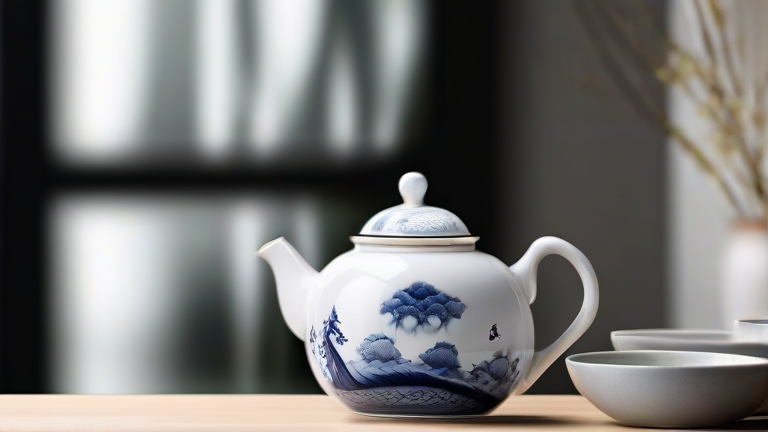
TL;DR: An elegant porcelain teapot transforms a hurried cup of tea into a deliberate, sensory ritual—its thin walls and heat retention enhance flavor while its beauty anchors mindfulness. Choosing a quality set is not about luxury for its own sake, but about slowing down, honoring craft, and turning a daily habit into a personal ceremony.
The Art of the Pour: Why Porcelain Matters
In an age of disposable tea bags and microwave mugs, the porcelain teapot stands as a quiet rebellion. Unlike clay or cast iron, which can absorb and alter flavors over time, high-fired porcelain is non-porous and neutral. This means your delicate white peony or smoky oolong tastes exactly as the grower intended—pure, uncluttered, and true. The thin walls of a fine porcelain pot heat up quickly and cool slowly, giving you a more forgiving brewing window. That extra minute you spend admiring the glaze is not wasted; it is the difference between steeping and infusing, between drinking and savoring.
If you want to dig deeper, check out our guide on Porcelain Teapot Guide: How to Choose & Care for Your Tea Se.
Building a Ritual Around Your Teapot
Start by choosing a pot that fits your hand, not just your shelf. A 300–500 ml pot is ideal for solo sessions or intimate sharing. Look for a smooth, untextured interior—this makes cleaning effortless and prevents stale residue. When you pour, let the spout hover just above your cup; the thin stream aerates the liquor, releasing floral top notes. Pair your pot with matching porcelain cups that are wide at the rim and narrow at the base, concentrating aroma. This is not about performance; it is about presence. Set a timer, but also watch the leaves unfurl. Listen to the click of the lid. Feel the warmth through the handle. These micro-sensations anchor you to the moment, much like meditation does—except here, your reward is a perfect second infusion.
Travel, Culture, and the Shared Table
Porcelain teapots carry history. The craft originated in China over a thousand years ago, and its journey along the Silk Road shaped trade and diplomacy. When you hold a hand-painted blue-and-white pot, you are touching that lineage. But you don’t need to travel far to feel this connection—hosting a tea ceremony at home with a beautiful set is a cultural act. Invite a friend, explain the origin of your pot, and let the conversation flow as slowly as the tea. In Japan, the concept of ichigo ichie—”one time, one meeting”—reminds us that every tea session is unique. Your porcelain pot, with its slight imperfections and personal patina, becomes a witness to those moments. It is a travelogue of your own memories, steeped in leaves and laughter.
Personal Growth Through Mindful Consumption
Investing in one excellent teapot rather than five mediocre ones is a lesson in intentionality. It teaches you to value quality over quantity, a principle that spills into other areas of life. Each morning, as you warm the pot with a swirl of hot water, you are rehearsing patience. As you pour, you practice control. As you sip, you practice gratitude. This is not mystical fluff—neuroscience shows that repeated, focused rituals reduce anxiety and increase contentment. Your porcelain teapot is a tool for that habit. It asks nothing of you except attention, and in return, it gives you a steady heartbeat in a chaotic world. Let it be your daily anchor, your tiny portable sanctuary.
FAQ
Q: How do I clean a porcelain teapot without damaging the glaze?
A: Rinse immediately with warm water and a soft sponge; avoid abrasive scrubbers. For stubborn stains, use a paste of baking soda and water, then rinse thoroughly—never soak in soapy water, as porcelain can absorb odors.
Q: Can I use a porcelain teapot on a stovetop or in a microwave?
A: No. Porcelain teapots are for brewing with hot water only, not for direct heat. Microwave use can cause thermal shock and crack
Leave a Reply