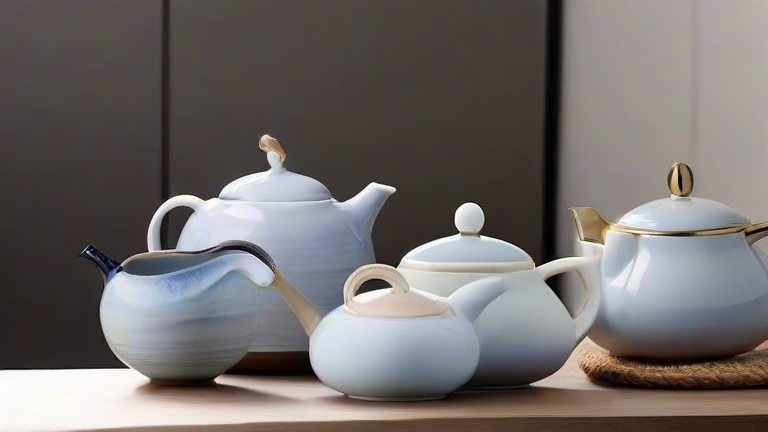
TL;DR: Elevating your home with stylish porcelain teapots transforms daily rituals into moments of profound aesthetic and cultural appreciation. These curated sets offer versatile elegance that bridges modern design with traditional hospitality, creating a sophisticated atmosphere for any occasion.
The Art of Domestic Serenity
In an era dominated by digital noise and rapid consumption, the simple act of preparing tea offers a sanctuary for personal growth and mindfulness. At the heart of this ritual lies the teapot, a vessel that is far more than a functional container. It is a statement piece that defines the character of your living space. Porcelain, with its smooth, white canvas and reflective sheen, has long been the preferred material for tea enthusiasts who value both form and function. Unlike stoneware or clay, porcelain does not absorb flavors, ensuring that every cup tastes exactly as intended. This purity allows the delicate nuances of green, white, or oolong teas to shine without interference. By selecting a high-quality porcelain set, you are not merely buying a kitchen accessory; you are investing in a daily practice that encourages slowing down, savoring the present moment, and cultivating a sense of calm within your home.
If you want to dig deeper, check out our guide on Porcelain Teapots & Health: Why It’s Safe for Brewing.
Design Meets Tradition
Modern porcelain tea sets offer a fascinating intersection of global travel influences and local design trends. Many contemporary designs draw inspiration from the minimalist aesthetics of Japanese wabi-sabi or the ornate floral patterns of European porcelain traditions. Whether you prefer the sleek, handle-less cylinders of modernist design or the classic, curved spouts of traditional English bone china, there is a style to match every interior. For those who love to travel, collecting different porcelain sets from various regions can be a rewarding hobby. Each set tells a story of its origin, carrying with it the cultural weight of the region it came from. Displaying these pieces on an open shelf or in a glass cabinet turns your kitchen or dining area into a mini-museum of global craftsmanship. This visual diversity adds depth to your home decor, sparking conversations with guests and inviting them to appreciate the artistry behind the beverage.
Hosting with Intention
Food and culture are inextricably linked, and hosting a tea ceremony is one of the most intimate ways to connect with friends and family. A well-chosen tea set sets the tone for the gathering, signaling that attention to detail and care are paramount. The weight of the pot in your hand, the sound of water pouring, and the steam rising from the cups all contribute to a multisensory experience. When you host, consider the occasion. A bright, colorful set might energize a brunch, while a muted, earth-toned porcelain set could create a relaxing vibe for an evening conversation. The act of serving tea from a beautiful vessel transforms a simple drink into a gift, showing your guests that they are valued and welcomed. This practice fosters stronger social bonds and creates lasting memories centered around shared experiences rather than material goods.
Caring for Your Collection
Maintaining your porcelain tea sets is an extension of the mindfulness practice. Hand washing is always recommended to preserve the glaze and prevent micro-scratches that can dull the appearance over time. Avoid using abrasive sponges or harsh detergents, as these can damage the delicate surface. Instead, use a soft cloth and mild soap, ensuring that all parts are thoroughly dried to prevent water spots. Storage is also crucial; keep your sets in a dry, dust-free environment to maintain their luster. If you have pieces with gold or silver trim, handle them with extra care, as these accents are particularly susceptible to wear. By treating your teapots with respect, you ensure they remain beautiful for years to come, serving as heirlooms that can be passed down through generations.
FAQ
Q: What makes porcelain the best material for tea?
A: Porcelain is non-porous, which means it does not absorb odors or flavors from previous brews, ensuring that each cup of tea tastes pure and unadulterated.
Q: How do I choose the right size teapot for my household?
A: Select a
Leave a Reply