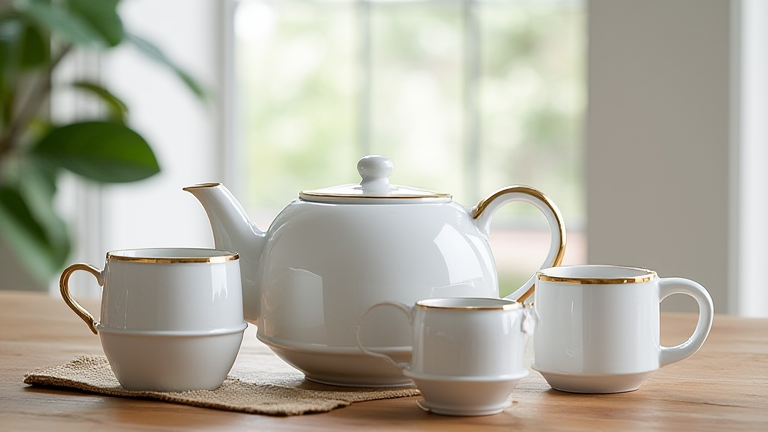
TL;DR: A timeless porcelain teapot isn’t just a vessel—it’s a daily ritual that slows time, connects you to centuries of craft, and turns a simple cup of tea into a mindful act of self-care. Invest in one heirloom-quality set, and you’ll elevate your home’s aesthetic and your personal well-being simultaneously.
The Art of the Pour: Why Porcelain Endures
In an age of instant coffee and disposable cups, the porcelain teapot stands as a quiet rebellion. Unlike clay or cast iron, porcelain’s fine, vitrified body doesn’t absorb flavors, meaning your delicate white peony or smoky oolong tastes exactly as the grower intended. But its true magic is cultural: from the Ming dynasty kilns of Jingdezhen to the royal tea rooms of 18th-century Vienna, porcelain has always symbolized refinement and hospitality. When you lift a hand-painted pot, you’re not just brewing leaves—you’re participating in a 1,300-year-old conversation about patience and beauty.
If you want to dig deeper, check out our guide on Timeless Elegance: How Porcelain Tea Sets Elevate Your Daily.
Choosing a Set That Speaks to Your Soul
Forget matching every cup perfectly. The most timeless sets feature slight imperfections—a hand-drawn cobalt brushstroke, a subtle glaze drip on the spout. Look for three things: a well-balanced handle that sits comfortably in your palm, a spout that pours without dripping, and a lid that nests snugly (no rattling). A classic “gaiwan” style (a bowl with a lid) is perfect for solo sessions, while a full service set with a 6-cup pot and four cups invites lingering conversations. Choose a neutral palette—cream, celadon, or pale blue—so your tea table works with any season’s decor.
Ritual as a Path to Personal Growth
Using a porcelain set daily is a form of slow living. Boil water, warm the pot, rinse the leaves, and wait—not for the timer, but for the aroma to change. This forced pause reduces stress by anchoring you in the present. Travel enthusiasts can adopt the Japanese sencha method or the British “builder’s brew”—both become more meaningful when poured from a vessel that asks for your full attention. Over time, you’ll notice your senses sharpen; you’ll taste notes of honey or stone fruit you once missed. That’s not just tea—that’s mindfulness in a cup.
Caring for Your Heirloom
Porcelain is durable but not indestructible. Hand-wash with mild soap, avoid thermal shock (never put boiling water into a cold pot), and store with a soft cloth between the lid and body. If you notice tea stains, a teaspoon of baking soda in warm water works wonders. With care, a quality porcelain set lasts decades—and becomes a family story. Host a weekend tea ceremony for a friend, and pass down the ritual, not just the object.
FAQ
Q: Is porcelain better than bone china for daily tea drinking?
A: Yes for most people—porcelain is more affordable, lighter, and doesn’t stain easily. Bone china is stronger but often more delicate in appearance and pricier. Choose porcelain for versatile everyday elegance.
Q: How do I know if a porcelain teapot is high quality?
A: Hold it up to light—fine porcelain is slightly translucent. Run your finger over the rim; it should be smooth, not rough. Also, tap the body; a clear, ringing tone indicates dense, well-fired clay.
Q: Can I use a porcelain teapot on a stovetop or in a microwave?
A: Never on direct heat—porcelain will crack. Microwave is only safe if the set is labeled “microwave-safe”; most decorative gold or metallic trim is not. Use a kettle to boil water, then pour into the pot.
Leave a Reply