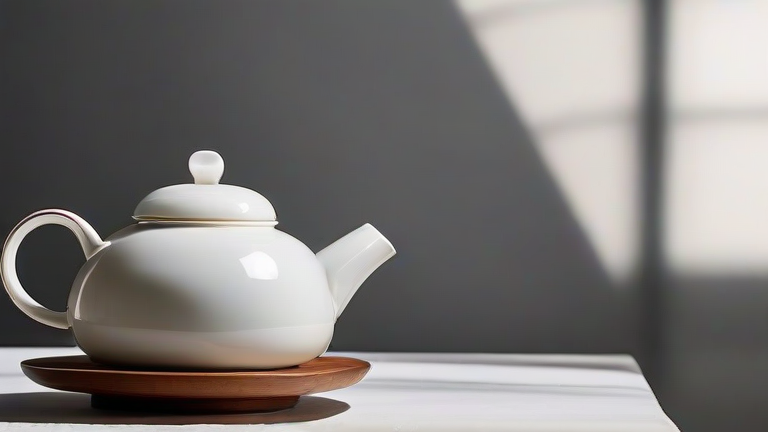
TL;DR: Porcelain teapots are the gold standard for tea lovers because they don’t absorb flavors, letting every leaf’s true character shine. Choose a thin-walled, glazed porcelain pot with a fine mesh strainer, and you’ll transform a daily cuppa into a mindful ritual of clarity and calm.
The Art of Slow Sipping: Why Porcelain Wins
In a world of instant coffee and rushed mornings, a porcelain teapot is a gentle rebellion. Unlike clay or cast iron, which season and absorb oils over time, porcelain is vitrified—non-porous and chemically neutral. This means your rare white tea won’t taste like last week’s smoky oolong. It’s the blank canvas of the tea world, offering pure, unadulterated flavor. For the traveler or culture enthusiast, owning a porcelain set is like carrying a piece of Jingdezhen, China—the “Porcelain Capital”—into your kitchen. It’s a daily passport to centuries of craft.
If you want to dig deeper, check out our guide on Porcelain Teapots: Health Benefits, Safety, and Care.
Choosing Your Perfect Pot: Form Meets Function
Not all porcelain is equal. Look for a pot with a rounded belly (for leaf expansion) and a high, domed lid that locks in aroma. The spout should be thin and slightly curved to prevent drips. Crucially, check the wall thickness: thin walls heat up fast and cool down quicker, giving you precise control over steeping times—ideal for delicate green or white teas. For robust black or pu-erh, a slightly thicker pot retains heat longer. Many modern sets include a built-in or removable stainless steel mesh infuser, which is essential for loose leaf. Avoid pots with painted interiors—glaze should be flawless and glossy, never crazed, as tiny cracks harbor bacteria.
The Ritual: From Kettle to Cup
Elevation happens in the details. First, warm your empty porcelain pot with hot water, then discard. This prevents thermal shock and keeps the brew at an even temperature. Add leaves—about one teaspoon per cup—then pour water at the correct temperature (170°F for green, 200°F for black). Watch the leaves unfurl through the translucent sides of the pot; that visual is part of the therapy. Pour into small, matching porcelain cups, and hold the cup with both hands, feeling the warmth. This isn’t just drinking; it’s a meditative pause. Travel tip: pack a lightweight porcelain gaiwan (a lidded bowl) for hotel rooms—it’s a portable Zen that turns any desk into a tea house.
Care and Longevity: A Legacy of Elegance
Porcelain is delicate but durable if treated kindly. Never put it on a direct flame. Hand-wash with mild soap and a soft sponge—dishwashers can dull the glaze. For stubborn stains, a paste of baking soda and water works wonders. Store with the lid slightly ajar to allow airflow, preventing musty odors. With care, a fine porcelain teapot can outlive you, becoming an heirloom that carries stories of quiet afternoons and shared conversations. It’s not just a vessel; it’s a practice in patience and presence.
FAQ
Q: Can I use a porcelain teapot for all tea types?
A: Yes, but you’ll need to adjust steeping time and temperature. Porcelain’s neutral nature suits green, white, oolong, black, and herbal teas equally—no cross-contamination of flavors.
Q: How do I prevent my porcelain teapot from cracking?
A: Always pre-warm the pot with warm (not boiling) water before adding hot tea, and never place it on a cold, wet surface. Avoid rapid temperature changes—that’s the main cause of thermal shock cracks.
Q: Is a porcelain teapot worth the higher price vs. glass or ceramic?
A: Absolutely. Porcelain is denser and more vitrified than standard ceramic, making it more durable and easier to clean.
Leave a Reply