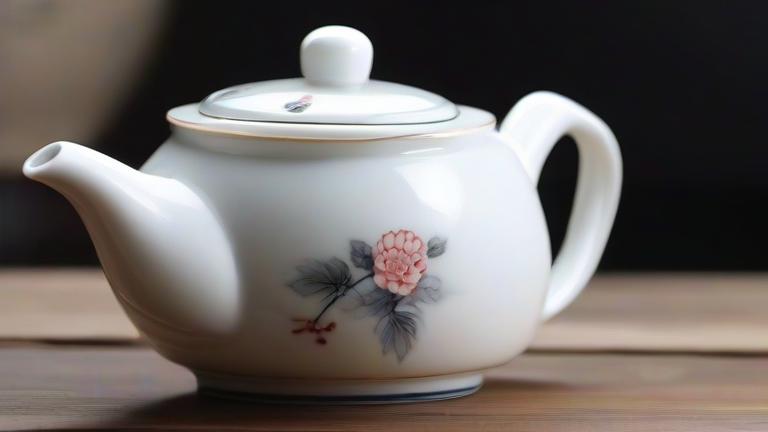
TL;DR: Porcelain teapots enhance tea health by maintaining precise brewing temperatures and preserving the delicate chemical compounds in leaves, which maximizes antioxidant extraction. Choosing a high-quality porcelain vessel ensures a non-reactive brewing environment that keeps your tea pure, flavorful, and free from unwanted metallic tastes.
The Science of Inert Materials
The material of your teapot is not merely aesthetic; it is a critical functional component that influences the chemical stability of your beverage. Porcelain is a ceramic material that is fired at very high temperatures, resulting in a dense, non-porous, and chemically inert surface. Unlike lower-quality earthenware or certain metals, high-grade porcelain does not leach minerals or absorb odors. This inertness is scientifically significant because it prevents the oxidation of catechins and other polyphenols in green and white teas, which are highly sensitive to environmental changes. By keeping the tea in a neutral container, you preserve the integrity of these health-promoting compounds, ensuring that the antioxidants you consume are at their peak potency.
If you want to dig deeper, check out our guide on Elevate Your Home: Stylish Porcelain Teapots for Modern Tea .
Thermal Retention and Extraction Efficiency
Proper extraction of nutrients relies heavily on temperature consistency. Porcelain has excellent thermal mass properties, meaning it heats up slowly and retains heat evenly. This characteristic is vital for delicate teas that require specific steeping temperatures to release their full health benefits without becoming bitter or astringent. For instance, green tea is best brewed at lower temperatures to preserve its L-theanine content and delicate amino acids. A porcelain teapot helps maintain this stable thermal environment throughout the brewing process. In contrast, glass or thin ceramic pots may lose heat too quickly, leading to under-extraction of beneficial compounds. The uniform heat distribution of a quality porcelain teapot ensures that every leaf is steeped consistently, maximizing the yield of caffeine, vitamins, and minerals.
Lifestyle Tips for Optimal Tea Health
To fully leverage the benefits of a porcelain teapot, adopt a few mindful habits. First, always use fresh, filtered water, as porcelain’s smooth surface makes it easy to clean, preventing the buildup of tannins that can alter taste and nutrient profiles. Second, avoid stacking different tea types in the same pot; while porcelain does not absorb strong odors like unglazed clay, mixing flavors can still compromise the sensory experience and perceived purity of the brew. Finally, invest in a complete porcelain tea set, including matching cups, to maintain thermal consistency from pot to cup. This holistic approach to tea preparation transforms a simple ritual into a scientifically sound health practice, ensuring that every sip delivers the maximum potential of the tea’s natural goodness.
FAQ
Q: Is porcelain safer than glass for brewing tea?
A: Both are safe, but porcelain offers superior thermal retention and is less prone to breakage, which helps maintain optimal brewing temperatures for nutrient extraction.
Q: Can I brew herbal teas in a porcelain teapot?
A: Yes, porcelain is versatile and suitable for herbal teas, as its neutral surface prevents any interference with the strong aromas and medicinal properties of the herbs.
Q: How should I clean a porcelain teapot to keep it hygienic?
A: Rinse with hot water immediately after use and allow it to air dry; avoid using soap as the non-porous surface prevents odor retention, ensuring a clean brewing environment.
Leave a Reply