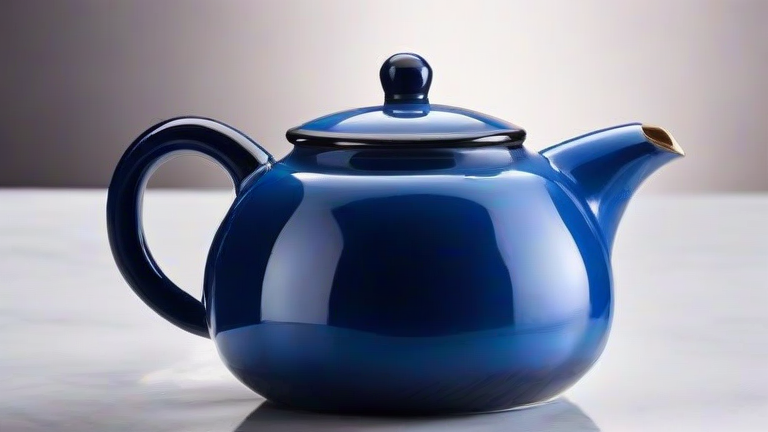
How Porcelain Teapots Impact Your Health: Safe, Pure, & Better
TL;DR: Porcelain teapots provide a chemically inert brewing environment that prevents unwanted mineral leaching, ensuring your tea retains its natural antioxidants and flavor purity. Choosing high-quality porcelain ware supports a healthier lifestyle by eliminating potential toxic exposures found in lower-grade ceramics.
The Chemical Inertness Advantage
When selecting a teapot, material composition is the primary factor influencing the chemical integrity of your beverage. Porcelain is fired at extremely high temperatures, resulting in a dense, non-porous structure. Unlike earthenware or lower-quality stoneware, which may contain porous surfaces that absorb liquids, porcelain does not retain moisture or bacteria. This density ensures that no external contaminants, such as lead or cadmium from unstable glazes, can migrate into your hot water. Modern, high-standard porcelain teapots are formulated to be lead-free and cadmium-free, adhering to strict safety regulations. This inert nature means that the only thing interacting with your water is the tea leaf itself, preserving the bioactive compounds that contribute to wellness.
If you want to dig deeper, check out our guide on Handcrafted Porcelain Teapots & Sets: Elevate Your Tea.
Preserving Nutrients and Flavor Purity
The health benefits of tea are largely derived from polyphenols, catechins, and other antioxidants. These compounds are sensitive to interaction with external materials. Reactive metals or porous ceramics can alter the pH balance of the water or leach trace metals, potentially degrading these sensitive nutrients. Porcelain’s neutrality allows for optimal extraction without interference. Studies in food science indicate that non-reactive containers help maintain the stability of flavonoids during the brewing process. Furthermore, the smooth surface of a porcelain teapot prevents the buildup of tannins and oils that can become rancid over time. This ensures that every cup you brew is as fresh and pure as the first, maximizing the antioxidant capacity of your daily ritual.
Lifestyle Tips for Optimal Use
To maintain the hygiene and safety of your porcelain tea set, proper care is essential. First, always inspect your teapot for chips or cracks in the glaze. While the body of the porcelain is safe, a compromised glaze can expose the underlying clay to acidic tea, potentially allowing trace elements to leach. If you notice significant damage, replace the item immediately. Second, avoid using harsh chemical scrubbers. Instead, use a gentle brush with warm water to clean the interior. This preserves the integrity of the glaze and prevents micro-scratches where bacteria could theoretically harbor. Third, allow your teapot to dry completely after washing. Although porcelain is non-porous, standing water can promote the growth of mold on the surface if not properly aired out. By following these simple maintenance steps, you ensure that your porcelain teapot remains a safe, hygienic vessel for your daily health routine.
Investing in a high-quality porcelain teapot is not just an aesthetic choice; it is a practical health decision. It guarantees a clean, pure brewing experience that respects the natural chemistry of your tea, supporting your overall well-being with every sip.
FAQ
Q: Is porcelain safe for brewing herbal teas with high acidity?
A: Yes, high-quality porcelain is chemically inert and safe for acidic liquids, ensuring no harmful substances leach into your tea.
Q: Can I put my porcelain teapot in the dishwasher?
A: While many are dishwasher safe, hand washing is recommended to preserve delicate glazes and prevent potential chipping from machine agitation.
Q: How do I know if my porcelain teapot is lead-free?
A: Look for certifications from reputable manufacturers or buy from brands that explicitly state their products comply with FDA or EU safety standards for food contact materials.
Leave a Reply