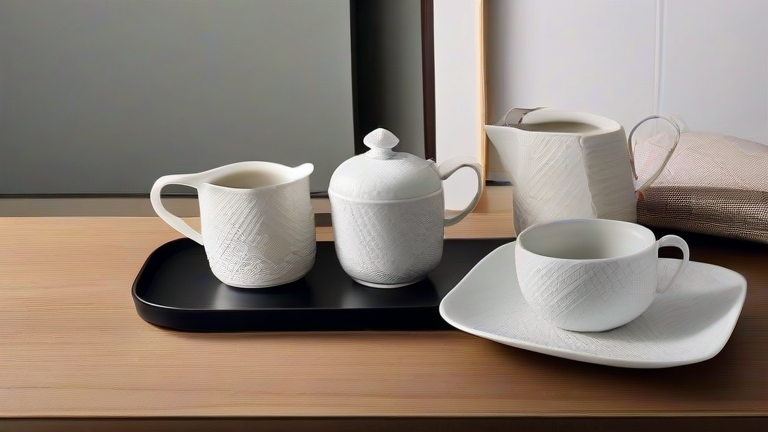
TL;DR: Choose a porcelain teapot and tea set by prioritizing clay density, spout design, and lid fit for heat retention and drip-free pouring, then match the set’s size and aesthetic to your brewing habits. For most daily use, a 300–500 ml pot with a wide, stable base and a matching set of 4–6 cups offers the best balance of function and elegance.
Step 1: Assess Your Brewing Style
Before you look at any porcelain, decide how you drink tea. If you brew loose-leaf gongfu style, you need a smaller pot (100–200 ml) to allow multiple short infusions. For Western-style pot brewing with bagged or loose tea, choose a larger pot (400–600 ml) that can serve 2–4 people. Write down your primary tea type—green, black, oolong, or herbal—because delicate greens prefer thinner porcelain that cools slightly faster, while robust blacks benefit from thicker walls that hold heat.
If you want to dig deeper, check out our guide on Porcelain Teapot Guide: How to Choose & Use the Right Set.
Step 2: Inspect the Porcelain Quality
Hold the teapot up to a light source. High-quality porcelain is translucent at the rim—hold it against a bright lamp and you should see a faint glow. Tap the body gently with a fingernail; a clear, ringing “ping” indicates dense, well-fired porcelain, while a dull thud suggests under-firing or cracks. Run your fingers over the glaze—it should be smooth, free of pinholes, and completely uniform. Avoid pieces with crazing (fine spiderweb cracks) as they harbor bacteria and weaken over time.
Step 3: Test the Spout and Lid Fit
The spout is the soul of a teapot. Look for a spout that rises slightly above the rim of the pot—this prevents drips when you stop pouring. Pour water into the pot, hold it over a sink, and tilt it at a 90-degree angle. The stream should be steady, not spluttering, and should cut off cleanly without dribbling down the side. Next, check the lid: it should fit snugly but not too tightly. Turn the pot upside down (with the lid on) and shake gently—if the lid falls off, the fit is too loose. A small vent hole in the lid is essential for even pressure and smooth pouring.
Step 4: Evaluate the Set’s Practicality
Match the cup size to your pot. For a 400 ml pot, choose cups of 80–120 ml—this gives 3–4 full pours. Ensure the cups have a slight foot (raised base) to protect tabletops from heat. Check that the saucers are deep enough to catch drips but not so deep that they feel clunky. Also, lift the pot with the lid on and a full load of water—the handle should feel balanced, not awkwardly heavy at the front or back. Handles with a C-shape or loop style are generally more comfortable than vertical stick handles for most grips.
Step 5: Choose a Cohesive Design
Porcelain sets come in three main glazes: clear (showcasing the white clay), celadon (pale green), and underglaze blue or hand-painted patterns. For everyday use, pick a clear or white glaze—it won’t alter the tea’s aroma and is easiest to pair with any table setting. For special occasions, a hand-painted set adds charm, but verify the paint is under the glaze (not on top) so it won’t chip or fade. Finally, buy a set with a matching creamer or sugar bowl only if you actually use milk and sugar; otherwise, a simple pot-plus-cups set is more versatile and takes less storage.
Step 6: Mind the Weight and Thickness
Pick up the teapot empty. A good porcelain pot should feel substantial but not heavy—around 300–500 grams for a 400 ml size. Too heavy means the walls are too thick, which makes the pot slow to heat and awkward to pour. Too
Leave a Reply