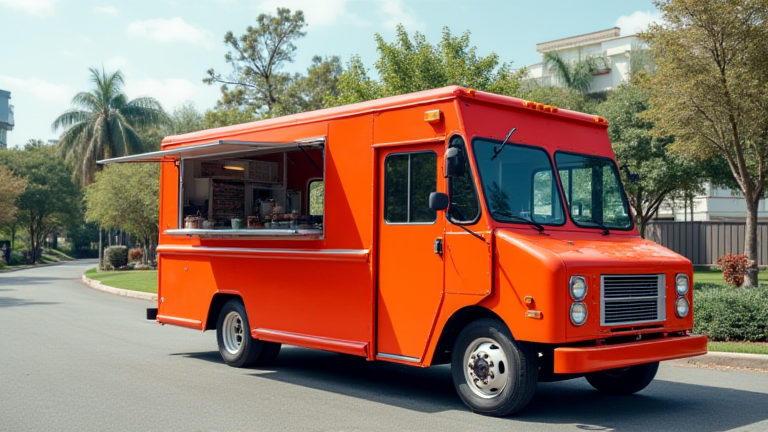
How to Write a Business Plan for a Food Truck Startup
TL;DR: A successful food truck business plan for selling porcelain teapots and tea sets requires a detailed analysis of the high-end artisanal market and a strategy focused on experiential retail. You must document your supply chain for durable ceramics, calculate the precise unit economics for premium loose-leaf teas, and outline a mobile marketing strategy that targets wellness-conscious consumers in urban centers.
Market Analysis for Premium Ceramic Retail
The intersection of mobile food service and luxury home goods is a niche but rapidly expanding sector. Your market analysis must identify the specific demographic interested in portable, high-quality tea experiences. Unlike standard food trucks selling burgers or tacos, a truck selling porcelain teapots appeals to individuals who value aesthetics, ritual, and quality. You need to analyze local competitors, such as stationary tea houses or online ceramic retailers. Identify gaps in the market where customers desire the convenience of a mobile vendor with the sophistication of a boutique shop. Understanding the average spend per customer is crucial here. Customers purchasing a $150 porcelain teapot are significantly different from those buying a $5 coffee. Your analysis should highlight the growing trend of “slow living” and the increased consumer interest in artisanal kitchenware. Furthermore, consider the secondary market for tea leaves. While the teapots are the headline item, the recurring revenue often comes from the tea itself. Analyze the sourcing of high-grade teas that complement the specific porcelains you are selling. This dual-product approach stabilizes cash flow and increases customer loyalty.
If you want to dig deeper, check out our guide on Porcelain Teapot Style: 10 Chic Tea Set Ideas for Your Home.
Strategy Insights and Operational Efficiency
Your business strategy must address the unique logistical challenges of selling fragile goods from a moving vehicle. Unlike selling tacos, you are selling delicate porcelain. Your plan needs a section dedicated to packaging and inventory management. How will you protect the teapots during transport? What is your restocking schedule for the tea leaves? Strategy insights should also cover branding. The food truck is not just a point of sale; it is a moving billboard for your brand. The design of the truck must reflect the elegance of the porcelain. Consider partnerships with local cafes or event spaces where your truck can park for extended periods, allowing for a more relaxed shopping experience. Digital strategy is also vital. Use social media to showcase the craftsmanship of the teapots and the preparation of the teas. This visual content is highly shareable and drives foot traffic to the truck. Finally, outline your customer service strategy. Selling premium items requires a high level of customer care. Train your staff to not only sell the product but to educate customers on proper tea preparation and ceramic care.
Case Studies in Mobile Ceramics
Consider the case of “Porcelain Pop-Up,” a startup in Seattle that launched with a single food truck dedicated to handmade ceramic mugs and tea sets. Their initial business plan focused heavily on local influencer marketing. They invited local food bloggers and interior design enthusiasts to visit the truck during its first month. This strategy generated significant buzz and sold out their first batch of teapots within two weeks. Another case is “Tea on the Go,” which operated in New York City. Their plan included a subscription model for tea leaves, which customers could sign up for at the truck. This created a predictable revenue stream that offset the high costs of maintaining the vehicle and purchasing inventory. Both cases demonstrate that a strong value proposition and innovative marketing can make a mobile retail venture for durable goods highly profitable. They also highlight the importance of community engagement. By hosting small tea tastings at the truck, these businesses created memorable experiences that turned one-time buyers into loyal fans. Your plan should include similar experiential marketing tactics to differentiate your brand in a crowded market.
FAQ
Q: What are the primary risks for a food truck selling porcelain teapots?
A: The primary risks include inventory damage during transport, high initial capital outlay for premium stock, and seasonal fluctuations in demand for indoor tea consumption.
Q: How do I price my porcelain teapots to ensure profitability?
A: You should use a cost-plus pricing model that accounts for material costs, artisan labor
Leave a Reply