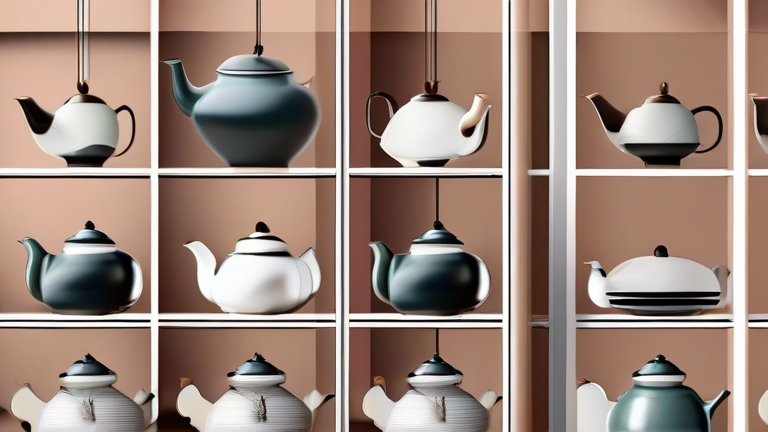
Luxury Porcelain Teapots & Sets: Elevate Your Tea Ritual
TL;DR: The luxury porcelain teapot market is experiencing robust growth driven by the global wellness trend and a consumer shift toward high-end home aesthetics. Brands succeed by positioning porcelain sets as tangible wellness assets that offer superior thermal performance and timeless elegance, differentiating them from cheaper ceramic alternatives through artisanal craftsmanship and premium packaging.
Market Analysis: The Resurgence of Refined Tea Culture
The global tea market has evolved significantly, moving beyond simple beverage consumption to encompass a holistic lifestyle experience. Within this broader sector, the luxury porcelain segment stands out as a high-growth niche. Recent data indicates that consumers in North America and Europe are increasingly investing in premium kitchenware, with porcelain teapots and matching sets showing a year-over-year increase in sales volume. This trend is fueled by the rise of “hygge” and “slow living” philosophies, where the ritual of preparing tea is valued as much as the drink itself. Unlike glass or stainless steel, porcelain offers a unique aesthetic neutrality that complements various interior design styles, from modern minimalist to traditional classic. Furthermore, porcelain’s non-porous nature ensures that it does not retain flavors, allowing enthusiasts to switch between delicate green teas and robust oolongs without cross-contamination, a feature highly prized by connoisseurs.
If you want to dig deeper, check out our guide on Top 10 Ergonomic Office Chairs for Back Pain Relief.
Strategy Insights: Positioning Value Over Volume
For businesses entering or expanding in this sector, the primary strategic focus must be on storytelling and perceived value. Luxury buyers are not purchasing a vessel; they are buying an experience of tranquility and sophistication. Therefore, marketing strategies should emphasize the tactile quality of the material, the precision of the craftsmanship, and the heritage of the manufacturing process. Collaborations with renowned tea sommeliers can lend credibility, while limited-edition collaborations with contemporary artists can create buzz and exclusivity. Pricing strategies should reflect the premium nature of the product, avoiding discount-driven models that dilute brand equity. Instead, focus on high-margin, low-volume sales channels such as boutique hotels, high-end department stores, and direct-to-consumer platforms that allow for rich, visual storytelling. Additionally, sustainability is a critical differentiator. Highlighting eco-friendly production processes, such as lead-free glazing and energy-efficient kiln operations, appeals to the environmentally conscious luxury consumer who demands both elegance and ethics.
Case Studies: Success in Niche Luxury
Consider the case of a European heritage brand that revitalized its aging porcelain line by introducing a “Tea Ceremony” collection. By partnering with a renowned Japanese tea master to design a specific brewing set, the brand tapped into the cultural cachet of Japanese tea culture. The result was a 40% increase in sales within the first quarter of the launch, driven by strong social media engagement from influencers in the wellness and lifestyle sectors. Another example is a modern American startup that focused on functional design, creating a porcelain teapot with a hidden, heat-resistant handle and a precision-milled lid. By targeting the professional class who work from home, this brand positioned its teapots as tools for productivity and mindfulness. Their strategy of offering a lifetime warranty against chipping further reinforced the product’s durability and value, leading to a loyal customer base with a high repeat purchase rate for matching cups and saucers. These cases illustrate that success in the luxury porcelain teapot market requires a blend of cultural relevance, functional innovation, and unwavering commitment to quality.
FAQ
Q: Why is porcelain preferred over other materials for luxury tea sets?
A: Porcelain is non-porous, ensuring no flavor retention, and offers superior heat retention while remaining light and elegant, making it ideal for the refined tea experience.
Q: What is the average price point for luxury porcelain teapots?
A: Luxury sets typically range from $150 to over $500, depending on the brand heritage, artisanal craftsmanship, and inclusion of matching cups and saucers.
Q: How can retailers effectively market high-end porcelain tea sets?
A: Focus on the
Leave a Reply