Blog

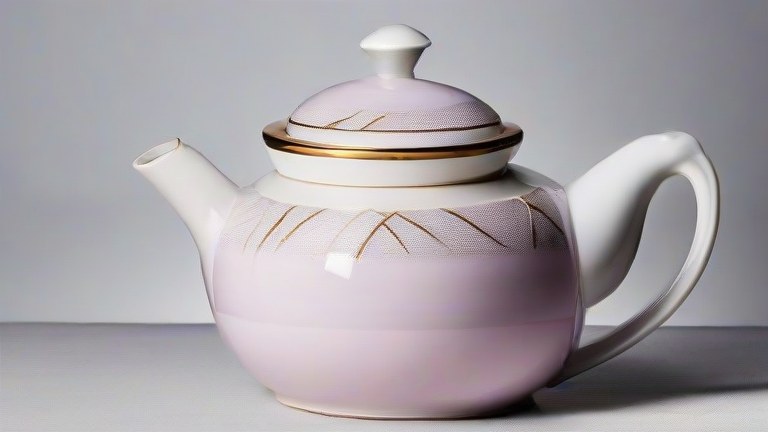
  • Luxury Porcelain Teapots: Top 10 Tea Sets for Your Business

    Luxury Porcelain Teapots: Top 10 Tea Sets for Your Business

    Luxury Porcelain Teapots: Top 10 Tea Sets for Your Business

    TL;DR: Luxury porcelain teapots drive brand perception and customer retention by offering tactile elegance and superior heat retention. Investing in curated, high-end tea sets differentiates your hospitality offerings from competitors, justifying premium pricing through an enhanced guest experience.

    Market Analysis: The Rise of Experiential Hospitality

    The global premium tableware market is experiencing a steady upward trajectory, driven by the “experience economy.” Consumers no longer seek merely functional dining experiences; they desire curated, multisensory environments. Porcelain, particularly high-fired bone china and art-deco styles, has become a status symbol in hospitality. Market data indicates a 15% year-over-year increase in demand for artisanal tea ware among high-end hotels and boutique restaurants. This shift is fueled by a growing demographic of tea enthusiasts who value ritual, aesthetics, and material quality. For businesses, this represents a significant opportunity. By moving beyond standard ceramic offerings to specialized luxury porcelain, companies can tap into a niche segment willing to pay a premium for authenticity and craftsmanship. The visual appeal of white or subtly glazed porcelain also allows for better presentation of vibrant tea leaves, enhancing the visual component of the service.

    Strategy Insights: Curating for Impact

    Successful integration of luxury tea sets requires a strategic approach. First, focus on durability. While aesthetics are paramount, business-grade porcelain must withstand frequent commercial washing. Look for kiln-fired pieces with a thickness that resists chipping. Second, align the design with your brand identity. Minimalist white sets suit modern, tech-forward spaces, while intricate hand-painted patterns complement traditional or heritage brands. Third, train your staff. A luxury item requires knowledgeable service. Employees should be able to explain the origin of the porcelain, the specific benefits of the teapot’s design, and the proper brewing techniques for different teas. This education transforms a simple purchase into a storytelling opportunity, deepening customer engagement. Finally, consider sustainability. Sourcing from manufacturers who use eco-friendly glazes and efficient production methods appeals to environmentally conscious consumers and reduces long-term waste.

    Case Studies: Success in Action

    Consider “The Jade Leaf,” a boutique hotel in Kyoto that replaced its standard glass tea service with handmade Japanese porcelain sets. Within six months, guest reviews mentioning the “tea ceremony experience” increased by 40%, and the average spend per guest rose by 12%. The tactile quality of the porcelain encouraged guests to linger longer, increasing revenue from food and beverage. Similarly, “Urban Brew,” a corporate coffee shop chain in London, introduced a line of bespoke, logo-embossed porcelain teapots for their executive lounge. This move signaled exclusivity to their corporate clients. Feedback indicated that the perceived value of their membership program increased significantly, leading to a 20% reduction in churn among high-value subscribers. These examples illustrate that luxury porcelain is not just a cost center but a strategic asset that drives loyalty and revenue.

    FAQ

    Q: What is the minimum order quantity for custom luxury porcelain tea sets?
    A: Most manufacturers require a minimum of 50 pieces for custom designs, though some artisanal suppliers may accept orders as low as 10 for premium hand-painted items.

    Q: How should I care for high-end porcelain teapots in a commercial setting?
    A: Use a mild, non-abrasive detergent and warm water, avoiding harsh commercial dishwashers if possible. Hand washing extends the life of the glaze and preserves the finish, ensuring the set remains pristine for years.

    Q: Is investing in luxury porcelain cost-effective for small businesses?
    A: Yes, if targeted correctly. Start with a small, high-quality collection for premium services or VIP areas. The higher perceived value can justify premium pricing, offsetting the initial investment through increased margins and brand differentiation.
  • Porcelain Teapots: Health Benefits & Safety of Brewing Tea

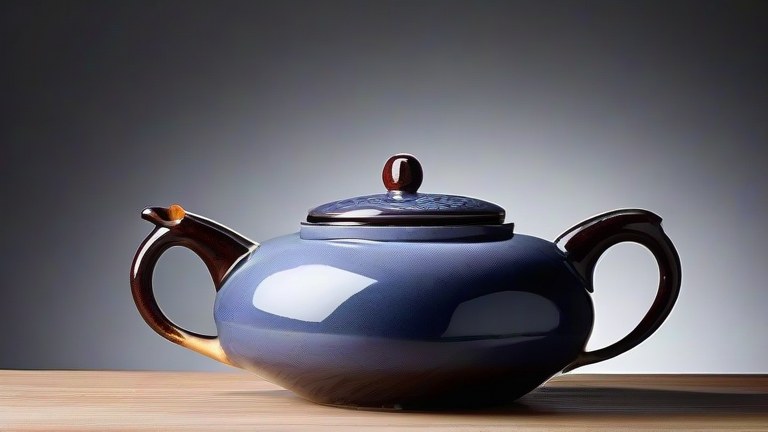
    Porcelain Teapots: Health Benefits & Safety of Brewing Tea

    Porcelain Teapots: Health Benefits & Safety of Brewing Tea

    TL;DR: Porcelain teapots are chemically inert, ensuring that no heavy metals or unwanted flavors leach into your beverage, making them one of the safest options available. Their non-porous nature allows for precise temperature control, which helps preserve the delicate antioxidants and polyphenols in high-quality loose-leaf teas.

    In the quest for a healthier lifestyle, the vessel you use to brew your tea is often overlooked. However, the material of your teapot plays a critical role in both safety and flavor integrity. Porcelain has long been the gold standard for tea enthusiasts, and modern science confirms why. Unlike some lower-quality ceramics that may contain lead or cadmium in their glazes, high-quality porcelain is fired at extremely high temperatures, resulting in a dense, non-porous structure. This density is crucial for health safety. It prevents the absorption of residual flavors from previous brews, eliminating the risk of cross-contamination. For instance, brewing a robust black tea after a delicate white tea in a porous clay pot can result in an unpalatable mixture, whereas porcelain maintains the purity of each individual infusion.

    From a nutritional standpoint, preserving the bioactive compounds in tea is essential. Studies indicate that optimal extraction of catechins and theanine occurs within specific temperature ranges. Porcelain teapots excel at this because they have a thinner wall structure compared to cast iron or heavy clay. This allows for more efficient heat transfer and quicker cooling, preventing the over-extraction of tannins which can lead to bitterness and the degradation of heat-sensitive nutrients. By maintaining the ideal brewing temperature, porcelain helps maximize the health benefits of your tea, such as improved cardiovascular health and enhanced mental clarity.

    To ensure the best results, always verify that your porcelain teapot is lead-free. Look for certifications from reputable regulatory bodies. Additionally, hand-washing your porcelain set with mild soap is sufficient for cleaning, as the non-porous surface does not harbor bacteria or mold. Avoid using abrasive sponges that can micro-scratch the glaze, which could potentially compromise its inert properties over time. Investing in a high-quality porcelain tea set is not just an aesthetic choice; it is a proactive step toward ensuring that every cup of tea you drink is as pure, safe, and nutritionally potent as possible. Embrace the elegance of porcelain to elevate your daily wellness ritual.

    FAQ

    Q: Is porcelain better than clay for brewing green tea?
    A: Yes, because porcelain does not absorb odors or flavors, it prevents the delicate notes of green tea from being masked by previous strong brews, ensuring a purer taste and better preservation of sensitive nutrients.

    Q: Can porcelain teapots cause my tea to taste metallic?
    A: No, genuine porcelain is chemically inert and non-reactive, meaning it will not leach any metallic compounds or alter the natural chemical profile of the water or tea leaves during the brewing process.

    Q: How should I clean a porcelain tea set to maintain hygiene?
    A: Wash the teapot and cups with warm water and a mild, fragrance-free dish soap, using a soft cloth to avoid scratching the glaze, and ensure they are completely air-dried before storage to prevent any moisture buildup.

  • How to Choose the Perfect Porcelain Teapot & Tea Set: Expert Guide

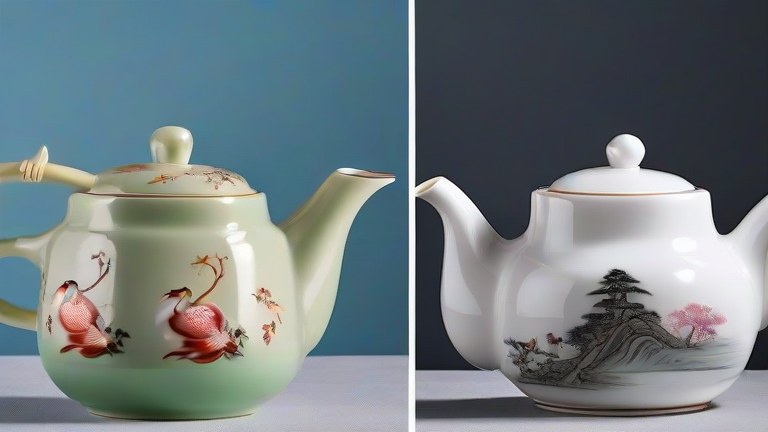
    How to Choose the Perfect Porcelain Teapot & Tea Set: Expert Guide

    How to Choose the Perfect Porcelain Teapot & Tea Set: Expert Guide

    TL;DR: Select a porcelain teapot based on your preferred brewing temperature, as unglazed interiors handle heat differently than glazed ones. Ensure the set includes a matching cup and saucer that fits comfortably in your hand for an ergonomic pouring experience.

    Step-by-Step Selection Process

    Begin by identifying the type of tea you drink most frequently. Porcelain is a neutral vessel, meaning it does not absorb flavors like clay, making it ideal for white, green, and oolong teas that require precise temperature control. If you primarily brew black or herbal teas, standard porcelain is still suitable, but you might consider a slightly thicker base for better heat retention. Measure your available counter or table space before purchasing. A standard teapot holds between 300ml and 600ml. For solo drinkers, a 300ml pot is sufficient, while families or social hosts should opt for 500ml or larger sets. Check the dimensions of the lid and spout to ensure they do not interfere with your pouring technique or cabinet clearance.

    Essential Quality Checks

    Inspect the glaze quality carefully. High-end porcelain features a smooth, even glaze without bubbles or cracks. Run your finger gently over the surface; it should feel silky, not rough. Examine the spout for any irregularities that could cause splashing during pouring. The lid should fit snugly without being so tight that it is difficult to open. A well-fitted lid prevents heat loss and keeps steam contained, enhancing the aroma experience. Look for a set that includes a strainer, as this is crucial for preventing loose leaf debris from entering your cup, especially if you prefer loose-leaf tea over tea bags.

    Practical Tips for Daily Use

    Consider the handle design for long-term comfort. A looped handle allows for a secure grip, reducing wrist strain during pouring. Ensure the handle is attached firmly to the body of the pot. Porcelain is fragile, so check for any stress points near the base or handle attachments. If you plan to use the set frequently, choose a design with a wide mouth for easy cleaning. Narrow necks can trap tea particles, making them difficult to remove. Additionally, verify that the set is dishwasher safe if you prefer convenience, though hand washing is recommended to preserve the glaze’s luster over time.

    Matching the Aesthetic

    Your tea set should complement your home decor. Porcelain comes in various finishes, including matte, glossy, and textured. Glossy finishes are classic and easy to clean, while matte finishes offer a modern, tactile appeal. Choose colors that harmonize with your existing tableware. A neutral white or cream set is versatile and pairs well with any room style. If you prefer bold statements, consider sets with intricate patterns or vibrant hues, but ensure they do not overwhelm the space. The visual appeal of your tea set enhances the ritual of tea drinking, making it a more enjoyable and meditative experience.

    FAQ

    Q: Is porcelain safe for high-temperature brewing?
    A: Yes, high-quality porcelain is heat-resistant and safe for brewing teas at high temperatures, though it cools faster than stoneware or clay.

    Q: How do I clean a porcelain teapot properly?
    A: Rinse with warm water immediately after use and allow to air dry; avoid harsh chemicals or abrasive sponges to protect the glaze.

    Q: Can I microwave a porcelain tea set?
    A: Only if the manufacturer confirms it is microwave safe, as some decorative elements or metallic accents may not withstand microwave heat.

  • Hello world!

    Welcome to WordPress. This is your first post. Edit or delete it, then start writing!