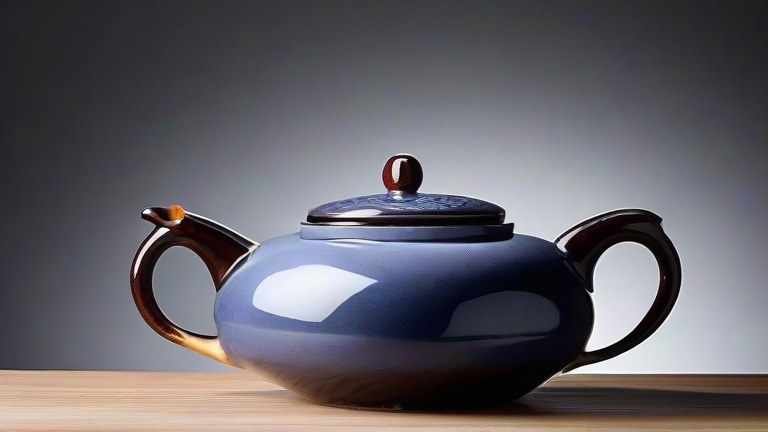
Porcelain Teapots: Health Benefits & Safety of Brewing Tea
TL;DR: Porcelain teapots are chemically inert, ensuring that no heavy metals or unwanted flavors leach into your beverage, making them one of the safest options available. Their non-porous nature allows for precise temperature control, which helps preserve the delicate antioxidants and polyphenols in high-quality loose-leaf teas.
In the quest for a healthier lifestyle, the vessel you use to brew your tea is often overlooked. However, the material of your teapot plays a critical role in both safety and flavor integrity. Porcelain has long been the gold standard for tea enthusiasts, and modern science confirms why. Unlike some lower-quality ceramics that may contain lead or cadmium in their glazes, high-quality porcelain is fired at extremely high temperatures, resulting in a dense, non-porous structure. This density is crucial for health safety. It prevents the absorption of residual flavors from previous brews, eliminating the risk of cross-contamination. For instance, brewing a robust black tea after a delicate white tea in a porous clay pot can result in an unpalatable mixture, whereas porcelain maintains the purity of each individual infusion.
From a nutritional standpoint, preserving the bioactive compounds in tea is essential. Studies indicate that optimal extraction of catechins and theanine occurs within specific temperature ranges. Porcelain teapots excel at this because they have a thinner wall structure compared to cast iron or heavy clay. This allows for more efficient heat transfer and quicker cooling, preventing the over-extraction of tannins which can lead to bitterness and the degradation of heat-sensitive nutrients. By maintaining the ideal brewing temperature, porcelain helps maximize the health benefits of your tea, such as improved cardiovascular health and enhanced mental clarity.
To ensure the best results, always verify that your porcelain teapot is lead-free. Look for certifications from reputable regulatory bodies. Additionally, hand-washing your porcelain set with mild soap is sufficient for cleaning, as the non-porous surface does not harbor bacteria or mold. Avoid using abrasive sponges that can micro-scratch the glaze, which could potentially compromise its inert properties over time. Investing in a high-quality porcelain tea set is not just an aesthetic choice; it is a proactive step toward ensuring that every cup of tea you drink is as pure, safe, and nutritionally potent as possible. Embrace the elegance of porcelain to elevate your daily wellness ritual.
FAQ
Q: Is porcelain better than clay for brewing green tea?
A: Yes, because porcelain does not absorb odors or flavors, it prevents the delicate notes of green tea from being masked by previous strong brews, ensuring a purer taste and better preservation of sensitive nutrients.
Q: Can porcelain teapots cause my tea to taste metallic?
A: No, genuine porcelain is chemically inert and non-reactive, meaning it will not leach any metallic compounds or alter the natural chemical profile of the water or tea leaves during the brewing process.
Q: How should I clean a porcelain tea set to maintain hygiene?
A: Wash the teapot and cups with warm water and a mild, fragrance-free dish soap, using a soft cloth to avoid scratching the glaze, and ensure they are completely air-dried before storage to prevent any moisture buildup.
Leave a Reply