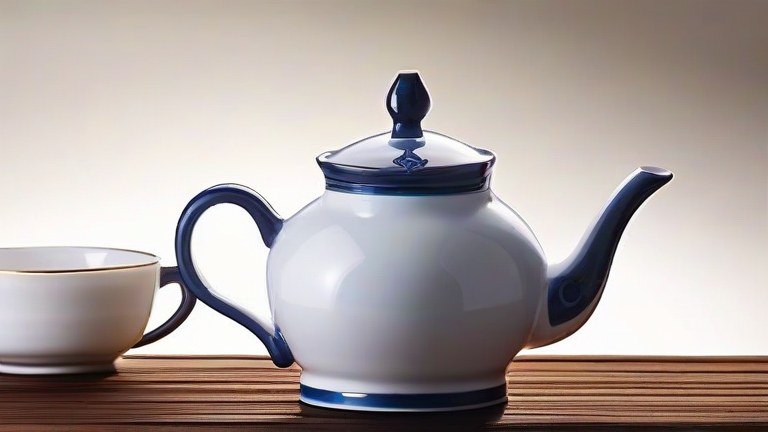
TL;DR: Use your porcelain teapot by rinsing it with hot water to warm the vessel, then adding loose-leaf tea and pouring freshly boiled water just off the boil. To care for it, hand wash gently with mild soap, avoid sudden temperature shocks, and never place it in a dishwasher or microwave.
Preparation and Brewing Steps
Properly using a porcelain teapot begins with preparation. Always rinse your teapot and cups with hot water before brewing. This step is crucial for two reasons: it cleans any residual dust from manufacturing and, more importantly, it warms the vessel. A pre-warmed teapot retains heat better, ensuring your tea stays at the ideal drinking temperature for longer. Once the teapot is warm, measure your loose-leaf tea. A general rule of thumb is one teaspoon of tea per cup, plus one extra spoon for the pot itself. Adjust this amount based on your preferred strength and the specific type of tea you are brewing.
If you want to dig deeper, check out our guide on Porcelain Teapots: Health Benefits & Safety of Brewing Tea.
Next, pour water that has just stopped boiling into the teapot. Using water that is actively boiling can scorch delicate green or white teas, resulting in a bitter taste, while black and herbal teas may require slightly hotter water. Allow the tea to steep for the recommended time, which varies by type. Green teas usually need only one to three minutes, while black teas benefit from three to five minutes. Once the steeping time is complete, pour the tea into cups immediately to prevent over-extraction and bitterness. Do not let the leaves sit in the hot water longer than necessary.
Cleaning and Maintenance Tips
Caring for your porcelain tea set ensures its longevity and maintains the purity of flavor. Always hand wash your porcelain teapot and cups. Use a soft sponge or cloth with warm water and a mild, unscented dish soap. Avoid abrasive scrubbers, as they can scratch the glaze, which may harbor bacteria and affect the taste of future brews. After washing, dry the pieces thoroughly with a clean towel to prevent water spots or mineral deposits from building up over time.
It is essential to avoid thermal shock. Never place a cold porcelain teapot directly into boiling water, nor should you pour cold water into a hot pot. These extreme temperature changes can cause the ceramic to crack. Furthermore, never put porcelain in a dishwasher unless the manufacturer explicitly states it is dishwasher-safe. The high heat and harsh detergents can dull the glaze or cause micro-cracks. Similarly, avoid using the microwave for heating tea in porcelain vessels, as uneven heating can lead to breakage.
For storage, keep your teapot in a cool, dry place away from direct sunlight. Prolonged exposure to UV rays can sometimes fade decorative patterns. If you notice any chips or cracks, stop using the item immediately to prevent shards from entering your drink. Regular maintenance and gentle handling will ensure your porcelain tea set remains a beautiful and functional part of your daily routine for years to come.
FAQ
Q: Can I use my porcelain teapot for coffee?
A: Yes, you can, but porcelain retains odors less than clay, so it is versatile. However, dedicated tea pots are often preferred for purists due to subtle flavor interactions.
Q: How do I remove tea stains from the inside?
A: Rinse with hot water immediately after use. For stubborn stains, soak in a mixture of water and baking soda for an hour, then scrub gently with a soft brush.
Q: Is porcelain safer than glass for hot tea?
A: Porcelain is generally more durable and less prone to shattering than glass, making it a safer choice for households with children or active lifestyles.
Leave a Reply