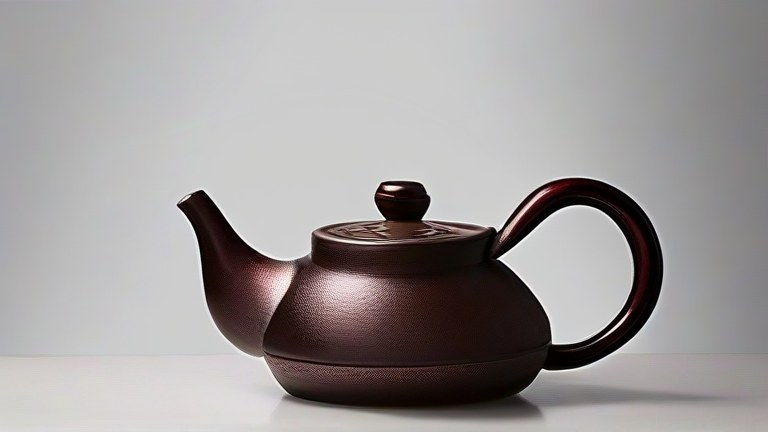
Healthy Tea Rituals: Why Porcelain Teapots Are Best for You
TL;DR: Porcelain teapots are superior for health because their non-porous, lead-free surface prevents the absorption of tea oils and the leaching of heavy metals. Choosing high-quality porcelain ensures a pure, unaltered flavor profile that supports the full antioxidant potential of your herbal blends.
In the modern wellness landscape, the vessel used to brew your daily elixir is often overlooked. Yet, the material of your teapot plays a critical role in preserving the chemical integrity of your tea. While cast iron and ceramic are popular, porcelain stands out as the gold standard for health-conscious consumers. Unlike porous materials such as unglazed stoneware, which can trap oils and bacteria over time, porcelain is fired at extremely high temperatures, resulting in a dense, impermeable structure. This density is not just a structural feature; it is a health benefit that ensures your tea remains free from residual contaminants or stale flavors from previous brews.
If you want to dig deeper, check out our guide on How to Choose the Perfect Porcelain Teapot & Tea Set: Expert.
The Science of Purity and Safety
One of the primary concerns with lower-quality tea ware is the potential for lead or cadmium leaching, especially when brewing acidic teas like green or white varieties. Reputable porcelain manufacturers adhere to strict safety standards, using food-grade glazes that are chemically inert. This means that when you pour hot water into a genuine porcelain teapot, you are not introducing trace metals into your beverage. Scientific studies on food contact materials indicate that non-reactive surfaces are essential for maintaining the bioavailability of polyphenols, the antioxidants responsible for many of tea’s health benefits. By using a non-porous porcelain teapot, you prevent the degradation of these sensitive compounds, ensuring that every cup delivers maximum nutritional value.
Furthermore, the thermal properties of porcelain contribute to a healthier brewing process. Porcelain retains heat exceptionally well without becoming scalding hot to the touch, allowing for precise temperature control. Overheating tea leaves can degrade delicate aromatic compounds and increase bitterness, which some studies link to reduced digestive comfort. A porcelain teapot’s consistent heat distribution ensures that the water stays within the optimal temperature range for specific tea types, preserving the natural balance of flavors and nutrients without the need for aggressive steeping that might extract excessive tannins.
Lifestyle Tips for Optimal Rituals
Integrating a porcelain tea set into your daily routine promotes mindfulness and better hydration habits. The aesthetic elegance of porcelain often encourages slower, more intentional sipping, which aligns with the principles of mindful eating. When your tea ware is beautiful and safe, you are less likely to resort to processed, sugary alternatives. To maintain the hygiene and longevity of your porcelain set, avoid abrasive cleaners that could scratch the glaze. Instead, rinse with warm water and mild soap, allowing the pot to air dry completely. This simple care routine prevents bacterial growth and keeps the surface pristine, ensuring that your health ritual remains as clean and refreshing as the tea itself. Investing in a high-quality porcelain teapot is not just a decorative choice; it is a strategic decision for your long-term well-being and culinary experience.
FAQ
Q: Is porcelain safe for brewing acidic herbal teas?
A: Yes, high-quality porcelain is chemically inert and non-porous, making it safe for acidic teas as it does not leach heavy metals or absorb flavors, unlike some glazed ceramics.
Q: How does porcelain compare to cast iron for health benefits?
A: While cast iron can supplement dietary iron, it can react with tannins in tea, altering taste and potentially affecting iron absorption; porcelain offers neutral, safe brewing without chemical interaction.
Q: What should I look for when buying a porcelain teapot?
A: Look for lead-free, food-grade glazes from reputable manufacturers, and ensure the interior is fully glazed to prevent any porous clay from contacting the tea, guaranteeing a hygienic and pure brew.
Leave a Reply