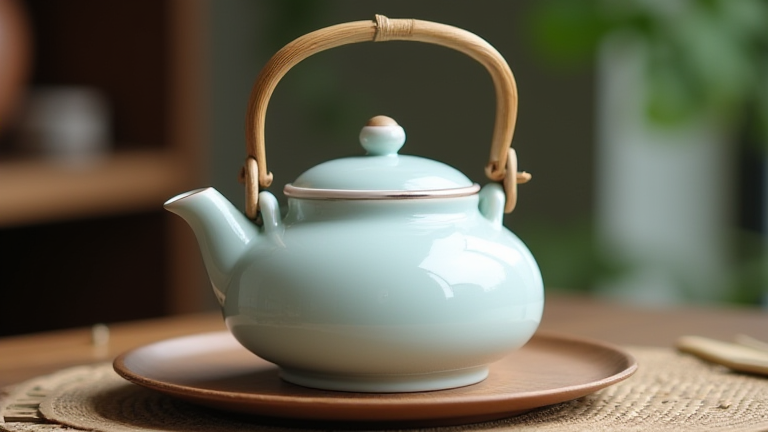
Porcelain Teapot Buying Guide & Care: Complete Tea Set Tutorial
TL;DR: Select a high-quality porcelain teapot by verifying the material is lead-free, choosing a size that matches your drinking habits, and ensuring the lid fits snugly to retain heat. To care for your tea set, hand wash with mild soap immediately after use, avoid thermal shock by not pouring boiling water into a cold pot, and dry thoroughly to prevent water spots or mold.
Choosing the right porcelain teapot is the first step toward elevating your tea ceremony. Porcelain is a non-porous material, which means it does not absorb flavors or odors. This makes it the ideal vessel for tasting a wide variety of teas, from delicate white teas to robust black teas, without cross-contamination. When shopping for a new tea set, prioritize craftsmanship over aesthetics initially. Look for pieces that feel substantial in the hand. A heavy base provides stability, while a thin wall thickness allows for better heat distribution. Ensure the spout is smooth and free of defects, as this directly impacts the pour. A clean, controlled pour prevents splashing and ensures an accurate extraction of flavor. Additionally, check the interior glaze for any pinholes or bubbles. These imperfections can trap tea residue, making cleaning difficult and potentially harboring bacteria. Always confirm that the porcelain is lead-free and food-safe, especially if you are purchasing from independent artisans or overseas manufacturers.
If you want to dig deeper, check out our guide on Why the Quiet Luxury Sneaker Trend Is Replacing Logos.
Once you have selected your teapot, proper care is essential to maintain its beauty and functionality. Porcelain is durable but brittle, so handle your teapot with care to avoid chipping. The most common mistake new owners make is exposing the hot pot to cold water, known as thermal shock. This can cause cracks or shattering. To prevent this, always warm your teapot with hot water before pouring in your brewing tea. After each use, rinse the teapot immediately. Do not let tea steep overnight inside the vessel, as this can lead to a bitter taste and potential mold growth in the glaze. Wash the teapot, lid, and any accompanying cups by hand using warm water and a mild, unscented dish soap. Avoid using abrasive scouring pads or harsh chemical cleaners, as these can scratch the glossy finish of the porcelain. A soft sponge or cloth is all you need to keep the surface pristine. After washing, rinse thoroughly to remove all soap residue, which can alter the taste of future brews. Dry the teapot completely with a lint-free cloth before storing it. Storing the teapot with the lid slightly ajar is a good practice to allow any remaining moisture to evaporate, preventing the growth of mildew in the seal area. If you are using a full tea set, including a tray and cups, ensure that all components are dried individually. Regular maintenance will ensure your porcelain tea set remains a beautiful and functional part of your daily routine for years to come.
FAQ
Q: Can I put my porcelain teapot in the dishwasher?
A: While some manufacturers claim their porcelain is dishwasher safe, it is generally recommended to hand wash to preserve the glaze and prevent potential chipping from the high heat and aggressive water jets of a dishwasher.
Q: Why does my porcelain teapot feel colder than a cast iron teapot?
A: Porcelain has lower thermal mass than cast iron, meaning it heats up and cools down faster. To compensate, pre-heat the porcelain teapot with hot water for at least two minutes before brewing to maintain a consistent brewing temperature.
Q: How do I remove a stubborn tea stain from the inside of the lid?
A: Soak the lid in a solution of warm water and white vinegar for fifteen minutes. The acidity of the vinegar helps break down tannins without damaging the porcelain glaze, followed by a gentle scrub with a soft brush.
Leave a Reply