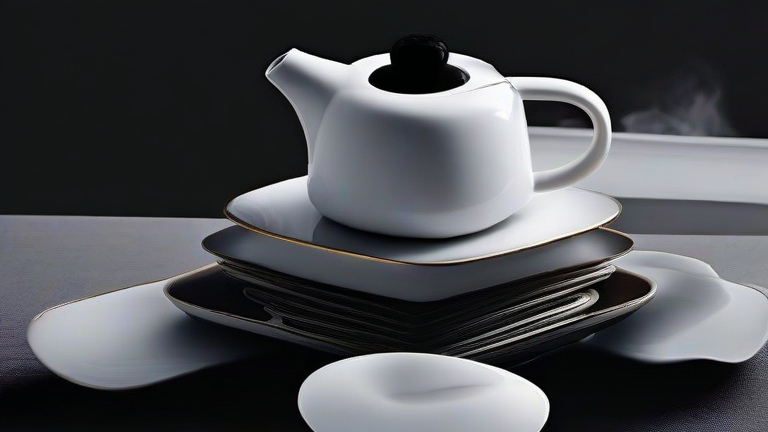
TL;DR: Select a porcelain teapot based on the specific type of tea you brew most, ensuring the vessel’s size matches your household’s consumption habits. Prioritize handcrafted pieces with even glaze and sturdy lids to ensure longevity and superior heat retention for your daily ritual.
Understanding Porcelain Quality
Porcelain is the premier choice for tea enthusiasts due to its non-porous nature, which prevents the absorption of flavors and odors. This material allows the true character of delicate white, green, or oolong teas to shine without interference. When shopping, examine the finish closely. High-quality porcelain should feel smooth to the touch with a glass-like luster. Avoid pieces with visible pinholes or uneven glazing, as these defects can harbor bacteria and affect the taste of your brew. Look for a pure white base color, which helps you monitor the steeping process by observing the changing hue of the leaves inside the pot.
If you want to dig deeper, check out our guide on Porcelain Teapots & Tea Sets: The Ultimate Guide to Elegant .
Selecting the Right Size
The capacity of your teapot must align with how many people you serve. A standard 12-ounce pot is ideal for one to two individuals, making it perfect for personal meditation or a quiet afternoon. If you frequently entertain guests, consider a 16- to 20-ounce set. However, larger pots may cool down faster if not kept warm. Measure the space in your kitchen or tea station to ensure the set fits comfortably. Remember that the tea set should include a matching tray and cups that complement the pot’s aesthetic. A cohesive design enhances the visual appeal of your brewing station, turning a simple task into an artistic experience.
Evaluating Functionality and Design
Functionality is just as important as aesthetics. Check the fit of the lid; it should sit snugly to prevent heat loss but not be so tight that it becomes difficult to remove. The spout design is critical for pouring. A well-designed spout should allow for a smooth, controlled stream of water without dripping or spitting. Test the handle to ensure it is ergonomic and stays cool to the touch, even when the pot is filled with boiling water. Porcelain is fragile, so look for sets with reinforced rims or bases if you have a busy household. Additionally, consider the weight of the empty pot. Heavier sets often indicate thicker walls, which provide better insulation but may be cumbersome for daily use.
Care and Maintenance Tips
Proper care extends the life of your porcelain tea set. Hand wash your teapot and cups with mild dish soap and warm water. Avoid using abrasive scrubbers, as they can scratch the glaze and dull the shine. While porcelain is non-porous, it is still susceptible to cracking from thermal shock. Never pour boiling water into a cold pot; instead, warm it up with a small amount of hot water first. Dry the pieces thoroughly after washing to prevent water spots, which can be difficult to remove from glossy surfaces. Store your set in a safe, dry place away from direct sunlight to preserve the vibrancy of any painted designs or gold accents.
Final Selection Checklist
Before making your purchase, verify that the set includes all desired components, such as a strainer if you plan to use loose leaf tea. Read reviews specifically mentioning durability and heat retention. Compare prices across reputable retailers, but do not sacrifice quality for cost. A well-made porcelain teapot is an investment in your daily well-being. By focusing on material integrity, appropriate sizing, and functional design, you will select a set that serves you beautifully for years to come.
FAQ
Q: Can I use a porcelain teapot for black tea?
A: Yes, porcelain is excellent for black tea, though its non-porous nature means it will not develop the seasoned patina that clay pots do, keeping the flavor pure.
Q: How do I prevent water spots on my porcelain set?
A: Rinse the pot with distilled water after brewing and dry it immediately with a soft cloth to prevent mineral deposits from hard water.
Q: Is hand
Leave a Reply