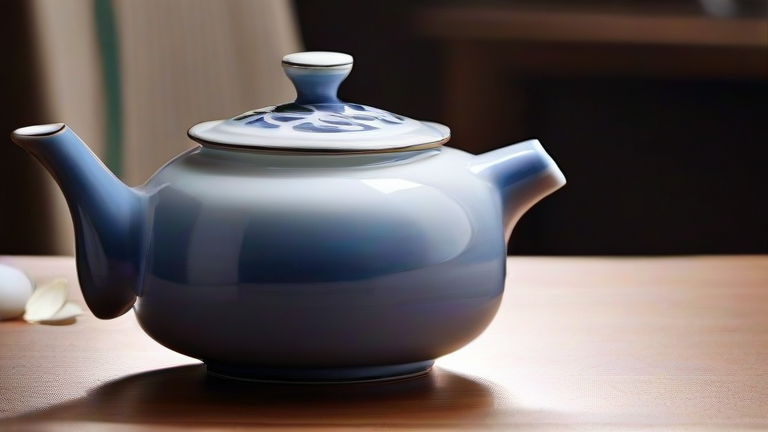
TL;DR: Choose a porcelain teapot by matching its size to your tea-drinking habits, checking for a snug-fitting lid and a drip-free spout, and verifying the glaze is smooth and food-safe. Prioritize thin, translucent porcelain (bone china or high-fired) for better heat retention and flavor clarity, and always test the handle balance before buying.
Step 1: Determine Your Serving Size and Brewing Style
First, count how many cups you typically pour in one sitting. A 300–400 ml pot (about 2–3 small cups) suits solo drinkers or couples, while 600–900 ml works for groups. For gongfu or multiple infusions, choose a smaller pot (150–250 ml) to control steeping time. Avoid oversized pots for daily solo use—the extra surface area cools tea faster and wastes leaves. Also, decide if you need a built-in infuser basket; if so, ensure it’s stainless steel or unglazed ceramic, not plastic.
If you want to dig deeper, check out our guide on Elevate Your Home: Timeless Porcelain Teapots for Modern Liv.
Step 2: Inspect the Porcelain Quality and Glaze
Hold the pot up to light—good porcelain should be slightly translucent at the thinnest walls. Run your fingers across the interior and exterior; the glaze should be glassy, smooth, and free of pinholes, bumps, or crazing (tiny cracks). Tap the body gently with a fingernail: a clear, bell-like ring indicates high-fired, dense porcelain; a dull thud suggests under-firing or impurities. Check the foot rim—it should be fully glazed or finely ground to avoid scratching your table. Avoid pots with painted designs on the interior, as these may leach metals into tea.
Step 3: Test the Lid Fit, Spout, and Handle
Place the lid on the pot: it should sit flush without wobbling, and the knob should be comfortable to grip. Tilt the pot slowly over a sink—the spout should pour a steady, thin stream without dripping down the side. Look for a spout tip that curves slightly downward; this prevents dribbling. For the handle, mimic pouring with water in the pot: your fingers should wrap comfortably without touching the body (to avoid burns). A “C” or “P” shaped handle with a thumb rest is most ergonomic for porcelain, which conducts heat quickly.
Step 4: Match Aesthetic to Function
Choose a plain white or celadon glaze for tasting teas, as they don’t distort liquor color. Hand-painted or overglaze-decorated pots are fine for display or black tea, but avoid heavy metallic accents (gold, platinum) if you microwave or use a dishwasher—they will degrade. For daily use, select a pot with a wide, open mouth for easy cleaning and leaf removal. Finally, buy from a brand that offers replacement lids or parts, as porcelain chips easily.
Step 5: Test Heat Retention Before Purchase
If possible, pour boiling water into the pot, wait 2 minutes, then touch the exterior. A quality porcelain pot should be warm but not scalding—thinner walls heat up fast but also cool faster, while thicker walls hold heat longer. For black or oolong teas, choose a thicker-walled pot; for green and white teas, thinner is better. Also, ensure the pot is not too heavy when full—lift it with one hand at the store to simulate real use.
FAQ
Q: Can I use a porcelain teapot on a stovetop or in the microwave?
A: No—porcelain teapots are for steeping, not direct heating. Most are not microwave-safe due to metallic decorations or glaze stress. Always preheat the pot with hot water instead.
Q: How do I clean a porcelain teapot without damaging it?
A: Rinse immediately after use with warm water and a soft sponge; avoid abrasive cleaners. For stains, use baking soda paste or a soak with white vinegar. Never put porcelain in the dishwasher unless the label explicitly
Leave a Reply