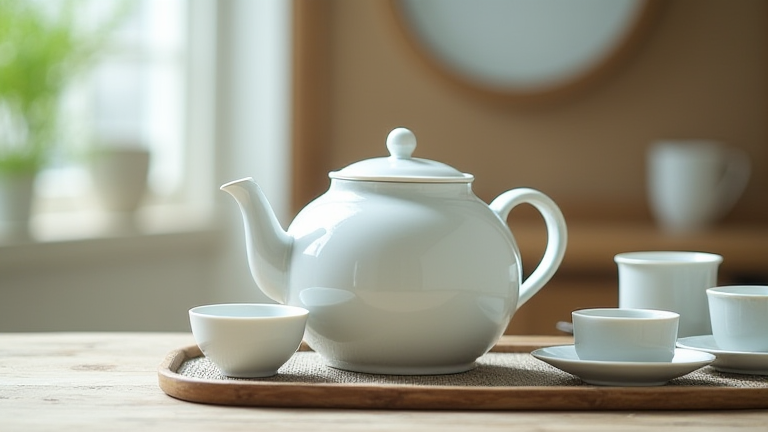
TL;DR: To keep your porcelain teapot pristine, hand-wash with mild soap and warm water, never use abrasive scrubbers, and dry immediately to prevent crazing. For daily use, pre-warm the pot with hot water, avoid sudden temperature shocks, and store it with the lid off to prevent musty odors.
Step-by-Step Cleaning & Care
Step 1: Rinse Immediately After Use.
After pouring your last cup, empty any leftover tea leaves and rinse the pot with warm (not boiling) water. This prevents tannins from staining the porcelain’s glaze. Do not let tea sit overnight—it will etch microscopic pores.
If you want to dig deeper, check out our guide on Why Smart Ring Sleep Tracking Is the Biggest Wearable Trend.
Step 2: Hand-Wash Only—Never Dishwasher.
Fill your sink with lukewarm water and add a drop of mild, non-abrasive dish soap (e.g., Seventh Generation or Dawn Free & Clear). Use a soft sponge or microfiber cloth. Avoid steel wool, scouring pads, or baking soda paste—these scratch the glaze and make future stains worse.
Step 3: Remove Stubborn Stains with a Gentle Soak.
For tea rings or brown buildup, fill the pot with a solution of 1 part white vinegar to 3 parts warm water. Let it soak for 15–20 minutes. Then, gently swirl and rinse. For heavy mineral deposits, add a teaspoon of denture cleaner (non-fizzy) and soak for 30 minutes—never boil the pot with cleaner inside.
Step 4: Dry Immediately, Inside and Out.
Use a lint-free cotton towel to dry the exterior and the spout. Flip the pot upside down on a soft dish towel and let the interior air-dry completely for at least an hour. Never stack wet pots—moisture trapped between pieces causes mildew and crazing (hairline cracks).
Step 5: Store with the Lid Ajar.
After drying, place the lid loosely on top, not sealed. This allows air circulation and prevents a stale, musty smell. Store your tea set in a cabinet away from direct sunlight and heat sources (like above the stove) to keep the glaze bright.
Usage Tips for Longevity
Pre-warm your pot: Before adding boiling water, fill the teapot with hot tap water for 1 minute, then pour out. This prevents thermal shock—a common cause of cracking.
Avoid metal utensils: Use bamboo or wood spoons to scoop loose leaf. Metal can scratch the inner glaze, exposing the porous body beneath.
Never microwave: Porcelain with metallic trim (gold or platinum) will spark and crack. Even plain porcelain heats unevenly, risking breakage.
FAQ
Q: Can I use bleach to whiten my porcelain teapot?
A: No—bleach damages the glaze and can leave a chlorine residue that taints your tea. Use vinegar soak or a dedicated porcelain cleaner instead.
Q: Why does my teapot have tiny hairline cracks after a year?
A: That’s “crazing” caused by rapid temperature changes or dishwasher cycles. Always pre-warm with warm water and hand-wash only. Once crazed, the pot is still safe for display but may absorb flavors.
Q: Should I season my porcelain teapot like a clay one?
A: No—porcelain is non-porous and does not need seasoning. In fact, leaving tea residue in it will only cause stains and odors. Clean it fully after every use.
Leave a Reply