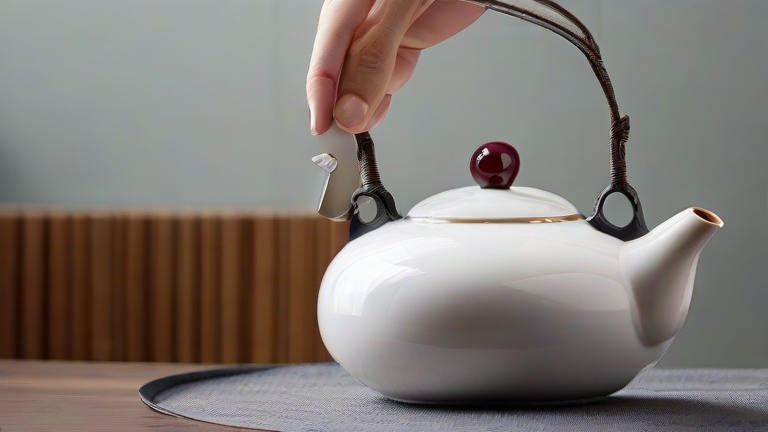
Porcelain Teapot Guide: 5 Tips for Perfect Brews
TL;DR: Choose a high-quality porcelain teapot that matches your preferred tea type to ensure optimal heat retention and flavor clarity. Follow a precise brewing ritual involving proper water temperature, steeping times, and regular cleaning to maintain the pot’s integrity and enhance every cup.
Porcelain teapots are prized for their neutral taste profile and elegant aesthetic, making them ideal for green, white, and oolong teas. However, achieving a perfect brew requires more than just placing leaves in hot water. Understanding the specific properties of porcelain and mastering the brewing technique will elevate your tea experience significantly. Below are five essential tips to help you master the art of brewing with a porcelain teapot.
If you want to dig deeper, check out our guide on Porcelain Teapot Tutorial: How to Choose, Care, & Brew.
1. Select the Right Porcelain Teapot
Not all porcelain teapots are created equal. Look for thick-walled porcelain, which provides better insulation and keeps your tea hotter for longer. The thickness also prevents rapid temperature fluctuations that can shock delicate tea leaves. Ensure the spout is wide enough to prevent clogging, especially if you are brewing larger leaf teas. A tight-fitting lid is also crucial for retaining aroma and heat during the steeping process.
2. Preheat Your Teapot
Thermal shock can damage porcelain, and cold teapots can prematurely stop the brewing process. Before adding tea, rinse your porcelain teapot with hot water. This step serves two purposes: it cleans any residual dust or odors and raises the internal temperature of the vessel. Pour the rinse water into a cup or discard it, ensuring the pot is dry before adding your tea leaves. This preparation step ensures that the water temperature remains consistent throughout the steeping period.
3. Use the Correct Water Temperature
Porcelain’s neutral nature allows you to fully appreciate the subtle nuances of different teas, but only if you use the correct water temperature. Boiling water is too hot for delicate green and white teas, which can scald the leaves and release bitter compounds. Aim for 160–180°F (70–80°C) for green teas and 180–200°F (80–95°C) for oolongs. Always use fresh, filtered water, as chlorine or minerals can interfere with the pure flavor that porcelain is designed to showcase.
4. Master the Steeping Time
Consistency is key to perfect brews. Use a timer to track your steeping duration accurately. Over-steeping turns tea bitter, while under-steeping results in a weak flavor. For most green teas, steep for two to three minutes, while oolongs may require thirty seconds to two minutes per infusion, depending on the leaf quality. Porcelain teapots often come with infusers; ensure the infuser is properly seated to prevent leaves from escaping into the cup, which can make the tea gritty.
5. Clean Properly to Preserve Flavor
Porcelain is non-porous, but it can still absorb strong odors over time. To maintain the neutrality of your teapot, avoid using soap, which can leave a residue that affects taste. Instead, wash the teapot with warm water and a soft brush after each use. If strong odors persist, soak the teapot in a solution of baking soda and water overnight. Regular maintenance ensures that your porcelain teapot remains a pristine vessel for brewing, preserving the pure essence of every tea variety you prepare.
FAQ
Q: Can I use a porcelain teapot for black tea?
A: Yes, porcelain is versatile and works well for black teas, though stoneware or cast iron may offer better heat retention for very long steeps.
Q: How do I remove tea stains from a porcelain teapot?
A: Soak the teapot in a mixture of warm water and baking soda for several hours, then scrub gently with a soft brush and rinse thoroughly.
Q
Leave a Reply