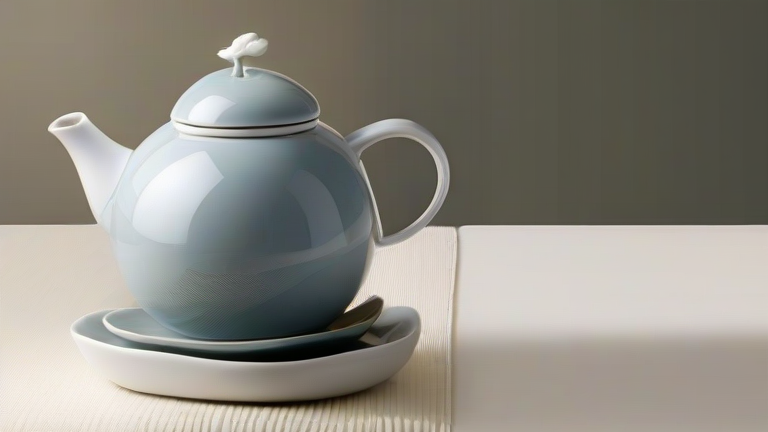
TL;DR: Choose a porcelain teapot by matching its size to your tea-drinking habits, checking for a snug-fitting lid and a smooth, unglazed rim, and prioritizing high-fired porcelain (like bone china) for durability. Care for it by hand-washing with mild soap, avoiding thermal shock, and storing it with the lid off to prevent musty odors.
1. Choosing Your Porcelain Teapot
Step 1: Determine the right capacity. For solo or duo use, select a 12–16 oz pot. For entertaining, choose 24–32 oz. Remember: porcelain retains heat well, so a smaller pot with multiple infusions often beats a large pot that cools down.
If you want to dig deeper, check out our guide on Porcelain Teapots for Health: Benefits, Safety & Brewing Tip.
Step 2: Inspect the lid and spout fit. Place the lid on—it should spin smoothly without wobbling. Check the spout: hold the pot at a 45° angle and look inside; the spout’s interior opening should be slightly above the pot’s bottom to prevent sediment from pouring out. Avoid pots with metal rim guards—they trap tea stains.
Step 3: Test the glaze quality. Run your finger along the inside rim and the spout tip. A high-quality porcelain will feel glass-smooth, with no pinholes or rough patches. Hold the pot up to light: it should be translucent (for thin-walled porcelain) but not paper-thin. Thicker porcelain is better for everyday use; thin is for display.
Step 4: Match the style to your tea type. For green and white teas, choose a wide, shallow pot with a large lid opening to let heat escape. For black and oolong teas, pick a taller, rounded pot that traps heat. Avoid pots with painted interiors—the glaze must be food-safe and non-porous.
2. Daily Use & Brewing Tips
Step 5: Preheat correctly. Rinse the empty pot with hot water (not boiling) for 30 seconds, then discard. This prevents thermal shock and ensures the tea brews evenly. Never pour boiling water directly into a cold porcelain pot—cracks will form.
Step 6: Avoid metal utensils. Use a wooden or silicone spoon to stir leaves. Metal scratches the glaze, creating microscopic crevices where bacteria and stains hide. Always pour with a steady hand—drips from the spout can leave permanent mineral marks.
3. Cleaning & Maintenance
Step 7: Hand-wash only. Rinse immediately after use with warm water. For stubborn stains, make a paste of baking soda and water, gently rub with a soft cloth, then rinse. Do not use bleach, abrasive pads, or citrus cleaners—they erode the glaze.
Step 8: Dry and store properly. After washing, pat dry with a lint-free towel, then leave the pot upside down on a dish rack for 2 hours. Store with the lid off, or place a piece of paper towel between the lid and pot to absorb moisture. This prevents mold and “teapot smell.”
Step 9: Handle thermal shock risks. Never place a hot pot on a cold, wet surface. Use a wooden trivet or cork mat. If you see hairline cracks, stop using the pot—these can leak and harbor bacteria.
FAQ
Q: Can I put my porcelain teapot in the microwave?
A: Only if the pot is labeled “microwave-safe” and has no metallic paint or gold trim. Most high-fired porcelain is safe, but always test by heating a cup of water inside for 1 minute—if the pot’s exterior gets hot, it’s unsafe.
Q: How do I remove tea stains from the inside without scrubbing hard?
A: Fill the pot with warm water and add one denture tablet (unscented). Let it soak
Leave a Reply