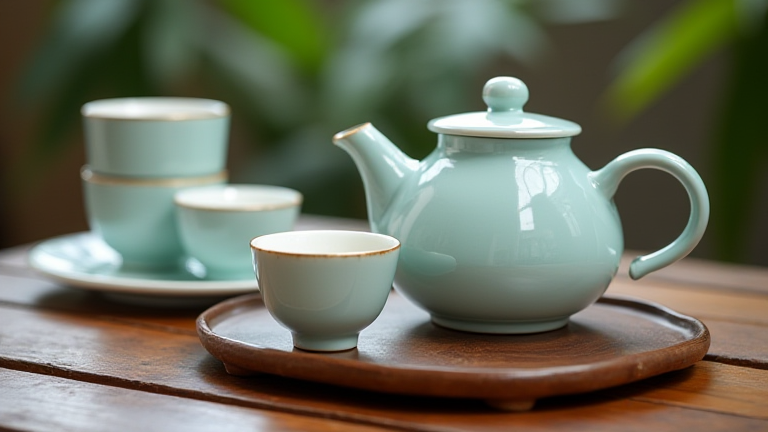
Porcelain Teapot Guide: How to Choose & Use Tea Sets
TL;DR: Select a high-quality porcelain teapot based on your preferred tea type and brewing method, ensuring the material is food-safe and free from lead. Use the set by preheating the vessel, measuring leaves accurately, and pouring at the correct temperature to maximize flavor and aroma.
Understanding Porcelain for Tea Brewing
Porcelain is a popular choice for tea enthusiasts due to its non-porous nature and neutral taste profile. Unlike clay, which can absorb flavors over time, porcelain does not retain the scent or taste of previously brewed teas. This makes it ideal for brewing a wide variety of teas, from delicate white teas to robust black teas, without cross-contamination. The smooth surface also makes cleaning significantly easier, as residue is less likely to cling to the interior walls. When shopping for a new set, look for brands that certify their products as lead-free and cadmium-free, especially if you are purchasing vintage or artisanal pieces. High-fired porcelain is generally more durable and heat-resistant than low-fired varieties, making it a safer long-term investment for daily use.
If you want to dig deeper, check out our guide on 10 Best Mechanical Keyboards for Programmers: Tested & Ranke.
Step-by-Step Instructions for Choosing Your Set
First, determine the specific type of tea you drink most frequently. For oolong or green teas, a smaller teapot with a tight lid helps retain heat and aroma. For black or herbal teas, a larger capacity pot with a wider opening allows for better leaf expansion. Second, examine the construction quality. The lid should fit snugly without rattling, and the spout should be smooth to ensure a steady pour without dripping. Check the handle for ergonomic comfort; it should be secure and cool to the touch even when the pot is full of hot water. Third, consider the aesthetic design. Porcelain is known for its elegant, clean lines and often features intricate hand-painted designs. Ensure the style complements your kitchen or dining decor. Finally, verify the material composition. Genuine porcelain is white, translucent, and rings like glass when tapped lightly. Avoid sets with thick glazes that may contain heavy metals, as these can leach into hot beverages over time.
Proper Usage and Maintenance Tips
To properly use your porcelain tea set, begin by preheating the teapot and cups with hot water. This step stabilizes the temperature and prevents thermal shock, which could cause the porcelain to crack. Once preheated, discard the water and add the appropriate amount of loose-leaf tea. For most teas, use one teaspoon of leaves per cup, adjusting based on personal preference. Pour water at the correct temperature: around 175°F for green tea, 185°F for oolong, and 205°F for black tea. Steep for the recommended time, then pour the tea immediately to prevent over-extraction. To maintain the set, wash it gently with warm water and a mild, unscented soap. Avoid using abrasive scrubbers, as these can scratch the glaze. Dry the pot with a soft cloth and store it with the lid off to prevent moisture buildup and mildew. Regular care ensures your porcelain teapot remains beautiful and functional for years.
FAQ
Q: Can I use a porcelain teapot for all types of tea?
A: Yes, porcelain is neutral and suitable for all tea types because it does not absorb flavors or alter the taste of the brew.
Q: How do I clean stains from my porcelain teapot?
A: Mix a paste of baking soda and water, apply it to the stained area, let it sit for an hour, then rinse thoroughly with warm water.
Q: Is porcelain safer than ceramic for daily tea use?
A: Porcelain is generally safer and more durable because it is fired at higher temperatures, making it less likely to contain lead or crack under heat stress.
Leave a Reply