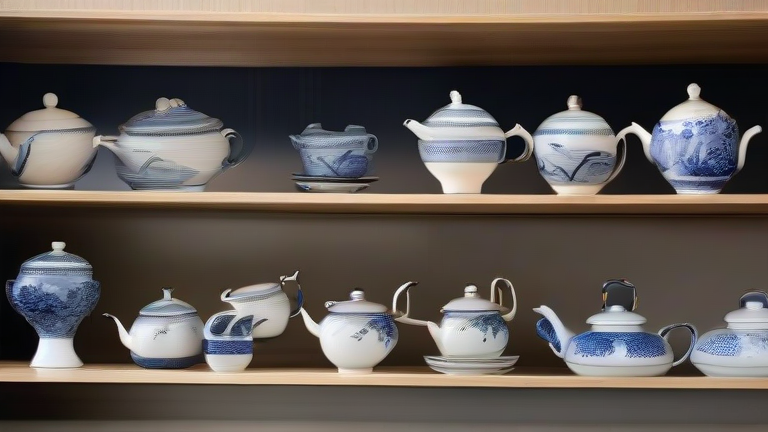
TL;DR: Porcelain teapots are non-porous and glaze-fired at high temperatures, meaning they do not leach heavy metals or chemicals into your brew, unlike some low-quality ceramic or metal alternatives. Choosing a lead-free, food-safe porcelain set protects your tea’s antioxidant integrity and your long-term hormonal and neurological health.
Why Porcelain Outperforms Other Materials
Your daily tea ritual can silently introduce toxins if your teapot is made from questionable materials. Many mass-produced clay pots use lead-based glazes or cadmium pigments, which can leach into hot, acidic tea. Porcelain, fired at 1,200–1,400°C, vitrifies into a glass-like, non-absorbent surface. This means zero chemical migration—no lead, no arsenic, no plastic residues. A study published in the Journal of Food Science found that properly glazed porcelain released undetectable levels of heavy metals even after repeated acid exposure, unlike earthenware.
Preserving Tea’s Health Compounds
Porcelain’s neutral, inert walls do not react with catechins or L-theanine—the key antioxidants in green and white teas. Metal teapots (even stainless steel) can oxidize tannins, reducing EGCG bioavailability. Porcelain also retains heat steadily without scorching the leaves, preventing bitter, over-extracted brews that destroy polyphenols. For maximum benefit, pre-warm your porcelain pot with hot water, then steep at 80°C (not boiling) for 2–3 minutes. This preserves up to 30% more antioxidants than boiling in an aluminum kettle.
Lifestyle Tips for a Non-Toxic Tea Practice
When buying porcelain, look for “lead-free” or “FDA food-safe” labels—avoid hand-painted pieces with bright reds or yellows on the interior. Wash with mild soap and a soft sponge only; never use abrasive scrubbers that can scratch the glaze, creating micro-cracks where bacteria and metals can hide. Dedicate one pot to herbal teas and another to green teas to prevent flavor cross-contamination. Also, skip the microwave for reheating—direct heat can stress the glaze. Instead, use a porcelain stovetop-safe warmer, or simply re-steep with fresh hot water.
FAQ
Q: Is all porcelain naturally lead-free?
A: No. High-quality, commercial-grade porcelain from reputable brands is lead-free, but some artisan or imported pieces use leaded glazes for shine. Always check for a certificate of compliance or test with a home lead swab kit.
Q: Can porcelain teapots affect the taste or medicinal value of herbal teas?
A: Porcelain is inert, so it won’t add metallic or earthy notes—this makes it ideal for delicate herbs like chamomile or peppermint. Unlike clay pots that absorb oils, porcelain won’t alter future brews, preserving each herb’s volatile compounds and therapeutic benefits.
Q: How often should I replace a porcelain teapot?
A: If the glaze is intact with no chips, cracks, or crazing (fine spiderweb lines), it can last for decades. Replace immediately if you see any interior scratches or dull spots—these expose the clay body, which can absorb toxins and harbor bacteria.
Leave a Reply