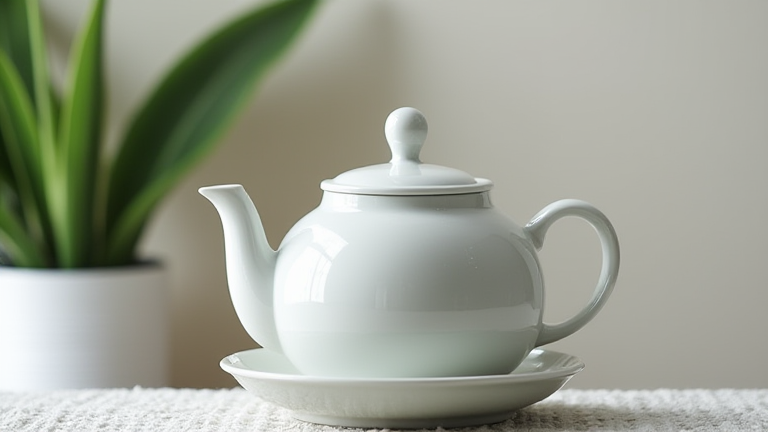
TL;DR: Porcelain teapots are essential for health-conscious individuals because their inert, non-porous nature prevents chemical leaching and preserves the integrity of delicate teas. Choosing high-quality, lead-free porcelain ensures you consume pure, unadulterated antioxidants without exposure to harmful heavy metals or industrial dyes.
The Chemistry of Ceramic Safety
In the quest for optimal health, the vessel we use to prepare our beverages is often overlooked. However, the material of your teapot can significantly impact the chemical composition of your drink. Porcelain is a type of ceramic material that is fired at extremely high temperatures, typically above 1,200 degrees Celsius. This intense heat vitrifies the clay, creating a dense, glass-like structure that is non-porous. Unlike lower-grade stoneware or earthenware, which may require glazes to prevent absorption, true porcelain is naturally impervious. This characteristic is crucial for health because it means that no porous matrix exists to trap bacteria, mold, or residual flavors from previous brews. More importantly, it ensures that no leachable chemicals, such as lead or cadmium, can migrate into your hot water. Recent studies in materials science have highlighted the importance of thermal stability in cookware. Porcelain excels here, maintaining structural integrity through rapid heating and cooling cycles without cracking or degrading, thereby preventing the potential release of particulate matter into your tea.
If you want to dig deeper, check out our guide on Luxury Porcelain Tea Sets: Elevate Your Tea Business Today.
Preserving Antioxidants and Flavor Profiles
The primary goal of drinking tea is often to harness its health benefits, particularly the polyphenols and catechins responsible for its antioxidant properties. The material of your teapot plays a subtle but vital role in preserving these compounds. Porcelain does not react with the acids or tannins present in green, white, or oolong teas. In contrast, metallic teapots, even those made from stainless steel, can sometimes impart a metallic taste or alter the oxidation state of certain sensitive compounds. Furthermore, porcelain does not absorb odors. If you switch between a strong smoky Lapsang Souchong and a delicate Jasmine tea, a porcelain pot will not retain the smoky notes, ensuring that the subtle floral aromas of the jasmine remain intact. This purity is not merely an aesthetic preference; it is a health consideration. Flavor purity allows for a more enjoyable experience, which encourages consistent consumption of beneficial herbal infusions. Lifestyle experts recommend using porcelain for all delicate teas to maximize the bioavailability of nutrients, as the stable pH environment of the porcelain vessel prevents any unwanted chemical interactions that might degrade the tea’s therapeutic value.
Identifying Quality and Avoiding Toxins
Not all teapots labeled as porcelain are created equal. To ensure your tea set is truly non-toxic, you must scrutinize the manufacturing process. Look for products explicitly labeled as “lead-free” and “cadmium-free.” High-end porcelain is often produced in regions with strict environmental regulations, but independent certifications are the gold standard. Additionally, pay close attention to the glazes used. While the body of the porcelain is safe, decorative glazes can contain heavy metals. Choose teapots with neutral, clear, or known-safe colored glazes. Avoid items with bright, opaque colors or intricate metallic paints, as these are more likely to contain leachable toxins. When purchasing, consider the origin and the reputation of the brand. Reputable manufacturers will provide detailed information about their materials and testing procedures. By investing in a certified, high-quality porcelain teapot, you are making a long-term health investment. It is a durable, sustainable choice that eliminates the need for frequent replacement due to wear and tear, reducing waste and ensuring consistent safety for years to come. Your ritual of tea drinking should be a sanctuary of wellness, not a source of hidden chemical exposure.
FAQ
Q: Is porcelain safe for boiling water?
A: Yes, high-fired porcelain is thermally stable and safe for boiling water, as it does not contain organic materials that can burn or release fumes.
Q: Can I use a porcelain teapot for herbal teas with acidic ingredients?
A: Absolutely, porcelain is chem
Leave a Reply