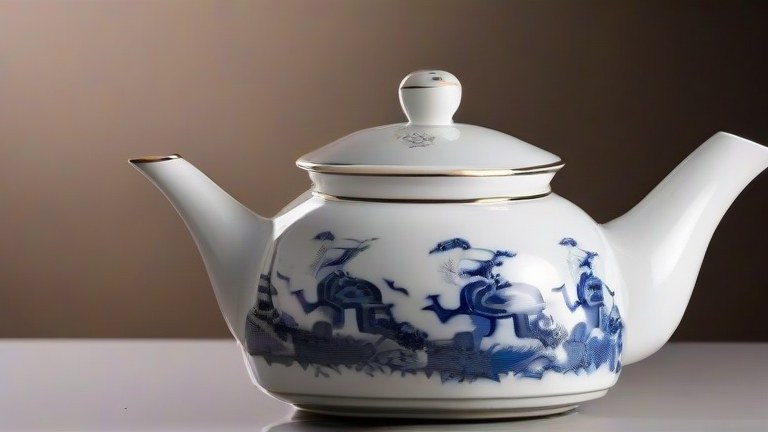
TL;DR: Porcelain teapots are non-porous and chemically inert, ensuring that tea flavors remain pure without leaching harmful substances into your brew. They offer superior thermal retention and easy maintenance compared to clay or ceramic alternatives.
The Science of Purity and Taste
When selecting a vessel for brewing, material composition is paramount. Unlike porous earthenware, high-quality porcelain is fired at extremely high temperatures, creating a glass-like, non-porous surface. This structural integrity prevents the absorption of tannins, oils, and aromas from previous brews. For health-conscious consumers, this is critical. Porcelain does not contain lead or cadmium in its glaze when sourced from reputable manufacturers, eliminating the risk of heavy metal leaching into hot beverages. Furthermore, because the material is chemically inert, it does not react with acidic teas like green or white varieties, preserving the delicate polyphenols and antioxidants that provide significant health benefits.
If you want to dig deeper, check out our guide on Luxury Porcelain Teapots: Top 10 Tea Sets for Your Business.
Thermal Dynamics and Lifestyle Integration
Porcelain teapots offer excellent thermal mass, allowing them to retain heat effectively. This is particularly beneficial for oolong and black teas, which require higher steeping temperatures to fully unlock their complex flavor profiles. A well-crafted porcelain pot can maintain optimal brewing temperatures for several minutes, ensuring a consistent cup every time. In terms of lifestyle, porcelain teapots are versatile and aesthetic, fitting seamlessly into modern kitchen decors. They are easy to clean, resisting stains from turmeric, black tea, or fruit infusions. This ease of care encourages regular use, supporting the habit of mindful tea drinking, which has been linked to reduced stress levels and improved cardiovascular health.
Safety Guidelines and Maintenance
To ensure safety and longevity, always verify that your porcelain teapot is labeled “food-grade.” Avoid using teapots with visible cracks, as these can harbor bacteria and compromise the structural integrity of the vessel. When cleaning, avoid harsh abrasive scrubbers that might scratch the glaze; instead, use a soft sponge with mild soap. For stubborn stains, a paste of baking soda and water is an effective, non-toxic solution. Never subject a hot porcelain teapot to sudden temperature shocks, such as placing it directly in cold water, as this can cause thermal shock and shattering. Proper care ensures that your teapot remains a safe, hygienic, and beautiful companion for your daily wellness routine.
FAQ
Q: Is porcelain safe for boiling water?
A: Yes, food-grade porcelain is heat-resistant and safe for boiling water, provided it is free from cracks and made by reputable manufacturers.
Q: Can I use a porcelain teapot for herbal teas?
A: Absolutely. Porcelain is ideal for herbal teas because its non-porous nature prevents flavor cross-contamination and makes cleanup effortless.
Q: How do I prevent my porcelain teapot from cracking?
A: Avoid thermal shock by not exposing hot pots to cold water or placing them on cold surfaces; always use a coaster and allow gradual cooling.
Leave a Reply