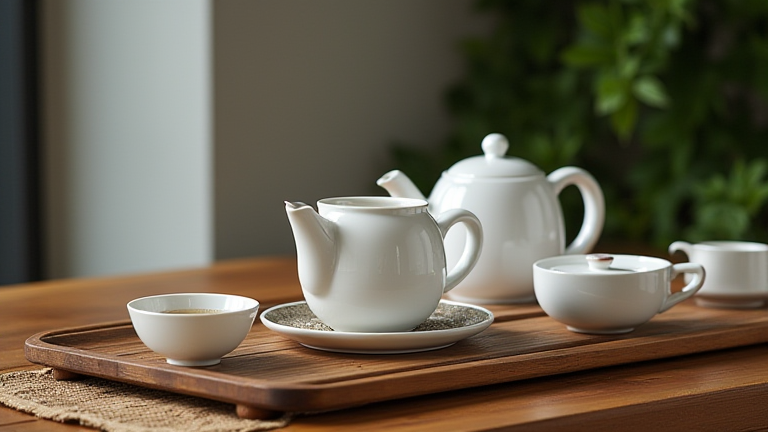
Premium Porcelain Teapots & Sets: Elevate Your Tea Ritual
TL;DR: The premium porcelain teapot market is experiencing robust growth driven by consumers seeking aesthetic luxury and functional quality for their daily tea rituals. Brands that succeed in this sector combine artisanal craftsmanship with modern design to justify higher price points and build loyal customer bases.
Market Analysis: The Shift to Experiential Consumption
The global tea ware market is undergoing a significant transformation, moving away from utilitarian vessels toward high-end, decorative, and functional porcelain sets. Recent data indicates a steady compound annual growth rate of 4.5% in the premium tea ware sector, fueled by the rising popularity of mindfulness and slow living trends. Consumers are no longer just buying a container for hot water; they are purchasing an experience. Porcelain, specifically, has seen a surge in demand due to its neutral taste profile, which does not interfere with the delicate nuances of high-quality loose leaf teas. Unlike clay or ceramic, fine porcelain retains heat effectively while showcasing the vibrant colors of the tea liquor, making it a preferred choice for oolongs, greens, and white teas.
If you want to dig deeper, check out our guide on Why Matcha Latte Art is the Next Big Coffee Shop Trend.
Furthermore, the e-commerce channel has democratized access to global artisans. Shoppers in North America and Europe are increasingly importing handcrafted pieces from Jingdezhen, China, and Gifu, Japan, bypassing traditional retail gatekeepers. This shift has increased competition but also raised the baseline for quality expectations. Buyers are now more informed, often researching kiln techniques, glaze composition, and artisan backgrounds before making a purchase. This informed consumer base creates a barrier to entry for low-quality mass-produced goods, favoring brands that can substantiate their premium pricing through transparency and storytelling.
Strategy Insights: Positioning for Premium Value
To succeed in this competitive landscape, brands must adopt a multi-faceted strategy that blends heritage with innovation. First, provenance is paramount. Highlighting the origin of the clay and the specific firing techniques used can significantly enhance perceived value. For instance, specifying that a teapot is made from high-calcium porcelain that withstands thermal shock appeals to serious tea enthusiasts who subject their ware to rapid temperature changes.
Second, design must balance tradition with contemporary aesthetics. While traditional shapes like the Yixing-inspired pot remain popular, modern minimalist designs with clean lines and matte finishes are gaining traction among younger demographics. Collaborations with interior designers or lifestyle influencers can help bridge this gap, positioning the teapot as a centerpiece for modern living spaces rather than just a kitchen accessory. Finally, packaging is a critical touchpoint. Unboxing a premium porcelain set should feel like opening a gift, with protective, sustainable packaging that reflects the brand’s attention to detail. This tactile experience reinforces the luxury positioning and encourages social media sharing, which serves as powerful organic marketing.
Case Studies: Success in the Niche
Consider the case of “LumiTea,” a boutique brand that partnered with a small workshop in Jingdezhen. By focusing exclusively on hand-thrown white porcelain with subtle, iridescent glazes, LumiTea differentiated itself from mass-market retailers. They offered a limited edition series each season, creating urgency and exclusivity. Within two years, they achieved a 35% increase in repeat customer rate, driven by a community-centric approach that included live-streamed tea brewing sessions featuring their products.
In contrast, “ModernSteep” targeted the corporate gift market with sleek, monochromatic porcelain sets. They customized logos using high-temperature decals that would not fade. This B2B strategy allowed them to secure bulk orders from tech companies looking for unique employee welcome kits. By diversifying their customer base to include corporate clients, they stabilized revenue streams against the fluctuations of the consumer retail market. Both examples demonstrate that success lies in clearly defining the target audience and delivering a product that exceeds functional expectations by providing emotional and aesthetic value.
FAQ
Q: Why is porcelain preferred over ceramic for premium teas?
A: Porcelain is non-porous and chemically neutral, ensuring it does not absorb flavors or impart unwanted tastes, which preserves the
Leave a Reply